
Choosing a good self-tanner: tips and advice for a natural glow
A radiant, golden tan without spending hours in the sun. It sounds almost too good to be true, but with a good self-tanner, it's perfectly possible. However, in a market full of products, it can be difficult to make the right choice. Which formula best suits your skin type? How do you recognize quality? And what makes a self-tanner truly good? In this article, we'll guide you through all the important aspects that will help you find the perfect self-tanner for your situation.
What makes a self-tanner good?
A good self-tanner is characterized by several factors that together ensure a natural and long-lasting result. The most important features are an even color without an orange undertone, a formula that absorbs quickly without a sticky feeling, and a tan that lasts beautifully for several days.
Natural ingredients and skin-friendly formulas
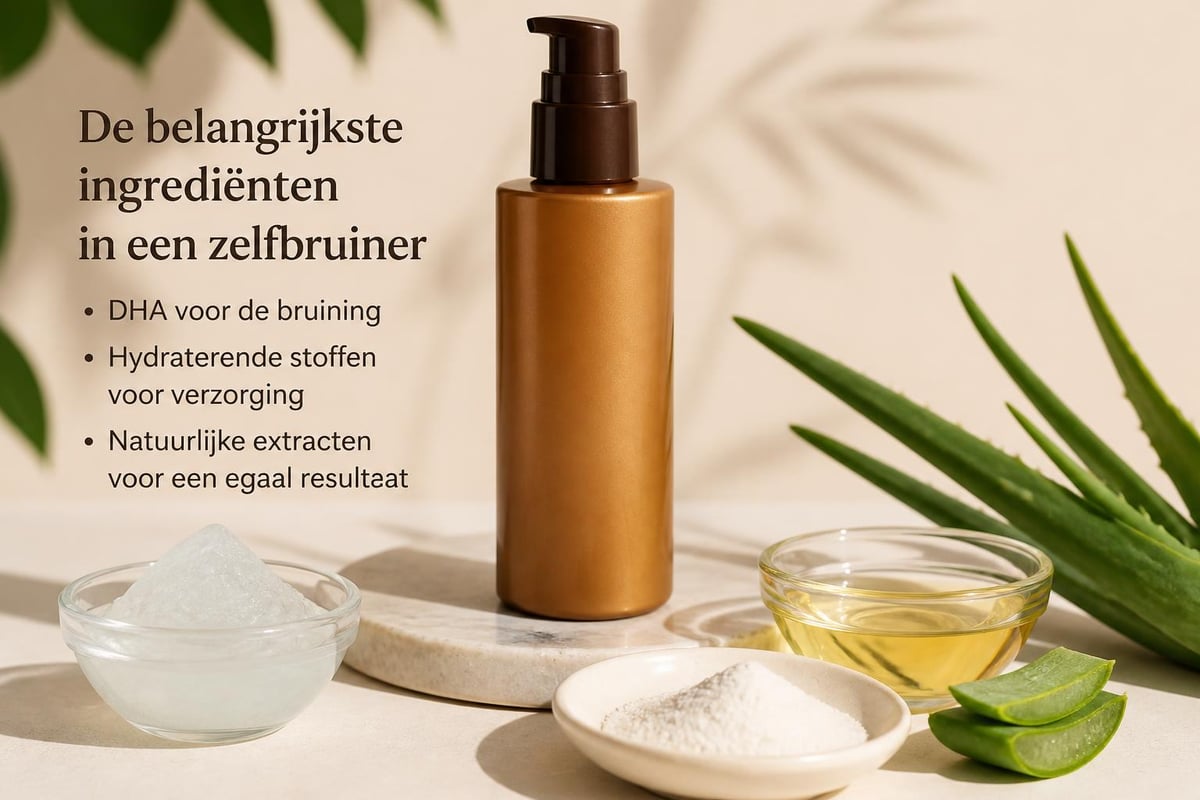
The basis of every quality self-tanner lies in its ingredients. Dihydroxyacetone (DHA) is the active ingredient that reacts with the amino acids in the top layer of your skin. This reaction creates a brown color that resembles a natural sun-kissed tan.
What to look for in ingredients:
- High-quality natural DHA
- Hydrating ingredients like aloe vera and hyaluronic acid
- Nourishing oils for soft skin
- Antioxidants that protect the skin
- Free from parabens and harsh chemicals
A good self-tanner often also contains nourishing ingredients that care for your skin while you tan. This ensures that your skin stays beautiful and the color lasts longer.
Formula and texture determine the result
The texture of your self-tanner has a great influence on the final result. Different formulas are suitable for different applications and skin types.
| Formula type | Advantages | Suitable for |
|---|---|---|
| Lotion | Easy to apply, hydrating | All skin types, beginners |
| Mousse | Dries quickly, lightweight | Oily skin, quick application |
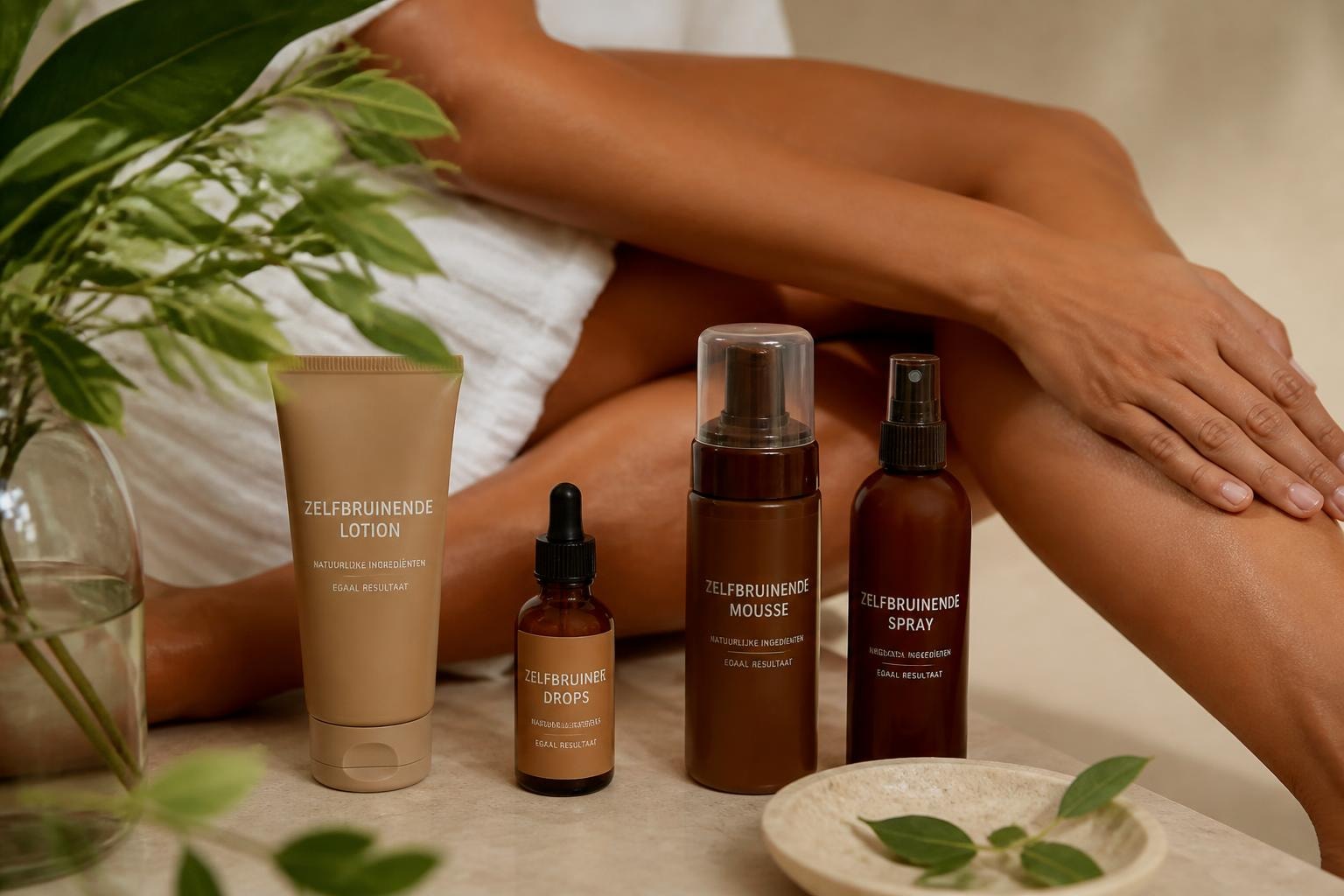
| Drops | Doseable, mix with day cream | Gradual build-up, face |
| Spray | Reaches difficult areas | Back, legs, quick application |
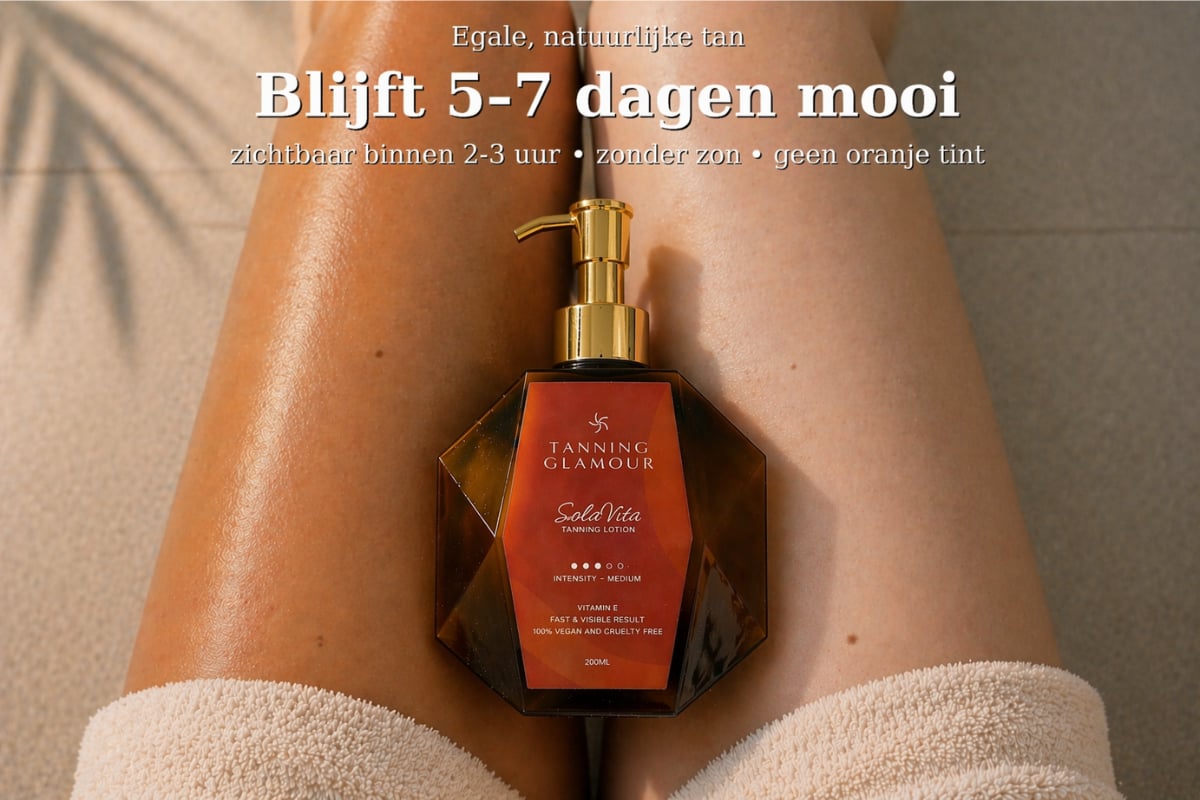
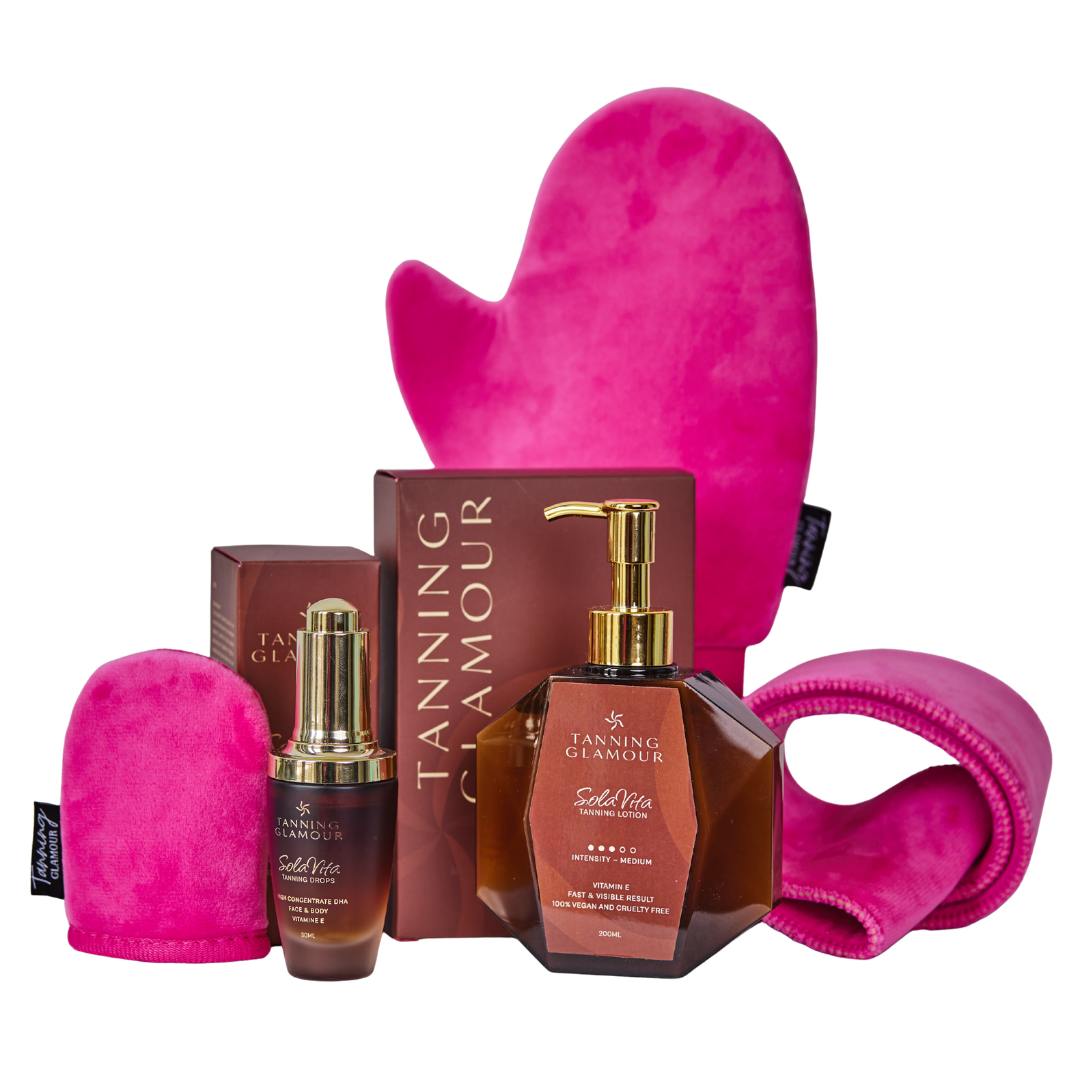
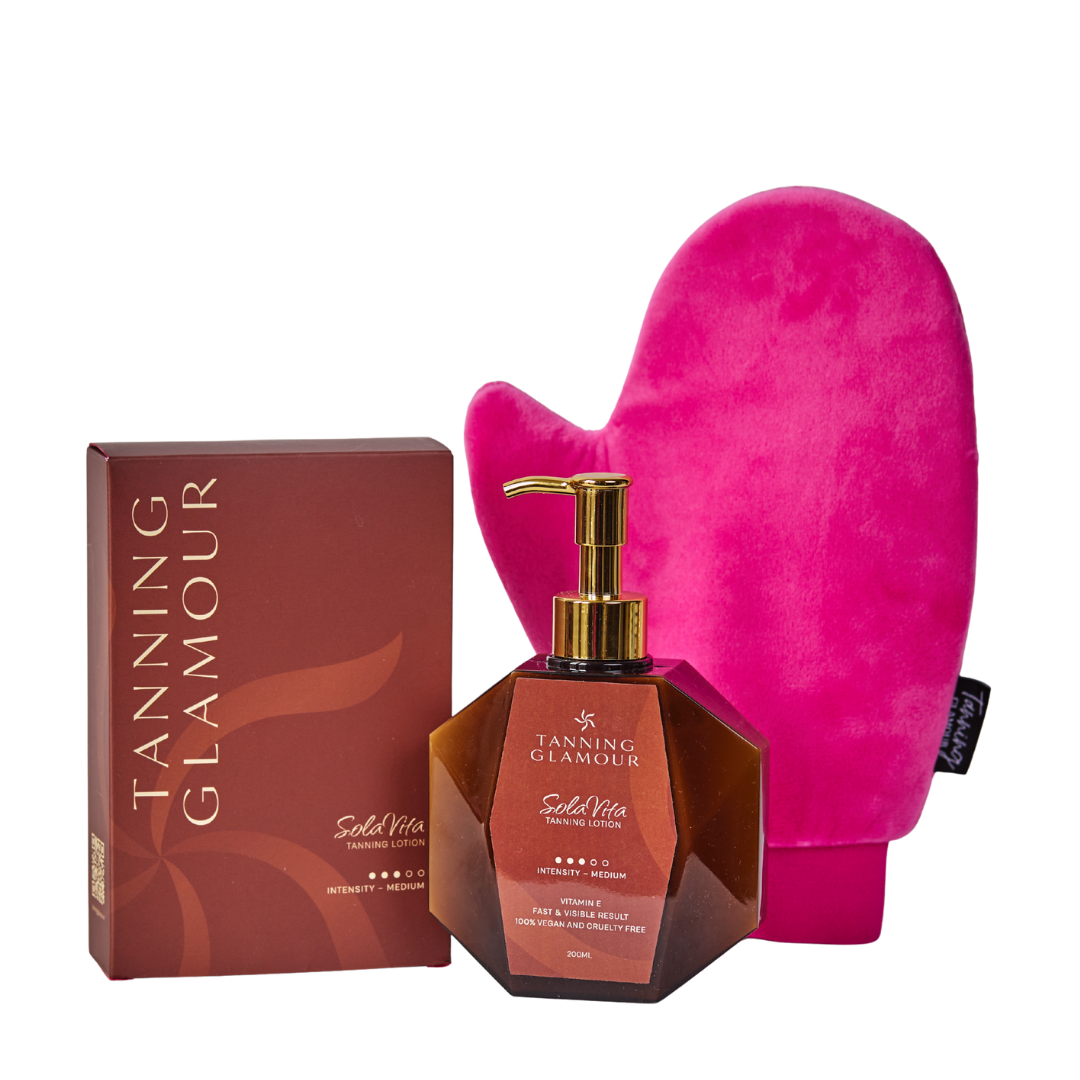
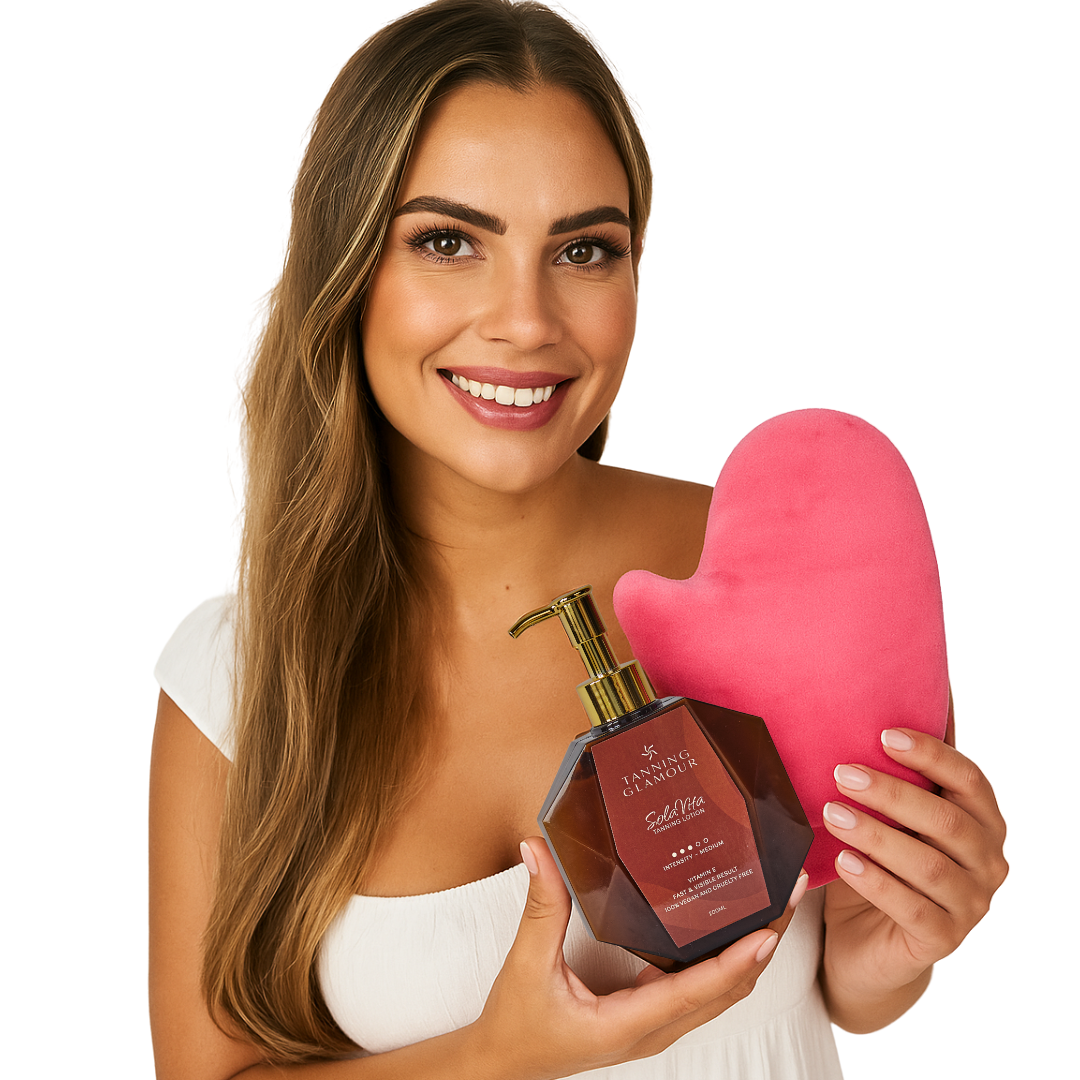
For those looking for a reliable formula, the SolaVita Self-Tanner Lotion offers a perfect balance between easy application and natural results. This lotion absorbs quickly and gives a warm glow within a few hours that lasts beautifully for up to a week.
How to choose the right color and intensity?
Choosing the right color intensity is crucial for a natural result. A good self-tanner ideally offers various options or the possibility to determine the intensity yourself.
Your natural skin tone as a starting point
Always match the self-tanner to your natural complexion. Light skin needs a more subtle formula than medium or dark skin. Products that are too dark on light skin often give an orange or unnatural appearance.
Color guidelines per skin type:
- Light skin: Start with a light to medium formula
- Medium skin: Choose medium to dark variants
- Dark skin: Opt for dark formulas or buildable products
- Sensitive skin: Select hypoallergenic formulas with mild DHA
A smart option for anyone who wants complete control are self-tanner drops that you mix with your own day cream. This way, you determine the intensity yourself by adding more or fewer drops.
Buildable formulas for gradual build-up
Many people prefer self-tanners where you can gradually build up the color. This prevents surprises and gives you more control over the final result. You apply the product several days in a row until you achieve the desired shade.
This principle works perfectly for those who have not used self-tanner before or who are aiming for a very natural look. Paula's Choice provides extensive instructions for safely and effectively building up your ideal tan.
Application: the key to an even result
Even the best self-tanner won't give a good result without the correct application technique. Good preparation and the right tools make the difference between a professional finish and streaky patches.
Skin preparation
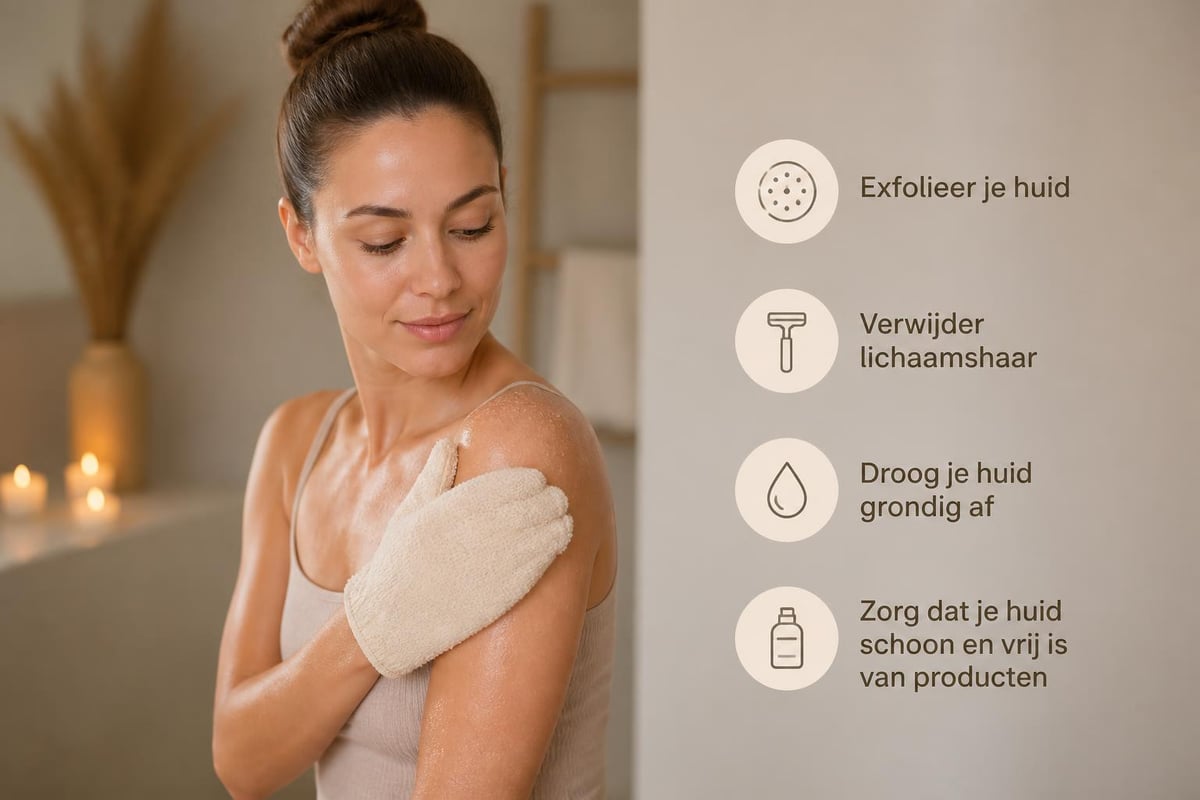
Preparation begins 24 hours before application. Exfoliate your skin thoroughly to remove dead skin cells. This creates a smooth surface for the self-tanner to adhere evenly.
Steps for optimal preparation:
- Exfoliate your entire body with a scrub
- Pay extra attention to knees, elbows, and ankles
- Shave or epilate at least 24 hours in advance
- Do not apply oily creams or body lotion
- Ensure your skin is completely dry
Using the right application tools
Professional application requires the right tools. An application glove or mitt prevents stains on your hands and ensures an even distribution of the product. LINDA. shares seven essential tips that make a difference during application.
A complete set with different applicators helps you perfectly treat hard-to-reach areas like your back. For a professional result, investing in good tools is just as important as choosing a good self-tanner itself.
Maintenance and durability of your tan
A beautiful tan requires maintenance. With proper care, your self-tanner will last longer and fade gradually without streaks or uneven patches.
Hydration is essential
Dry skin makes your self-tanner fade faster and can lead to uneven patches. Daily hydration significantly extends the life of your tan.
Hydration tips:
- Apply a moisturizing body lotion twice a day
- Choose oil-free or AHA-free products
- Drink enough water for internal hydration
- Use a mild shower gel without harsh ingredients
Showering and bathing with self-tanner
The way you shower directly affects how long your tan lasts. Hot water and long showers cause the color to fade faster. A good self-tanner is resistant to showering, but it does require the right approach.
| Do's | Don'ts |
|---|---|
| Short, lukewarm showers | Long, hot showers |
| Pat dry instead of rubbing | Scrubbing with a loofah |
| Oil-free moisturizers | Oil-rich products |
| Mild soap or shower gel | Exfoliating gels |
Solving common problems
Even with a good self-tanner, imperfections can sometimes arise. Knowledge about common problems and their solutions helps you to always achieve a perfect result.
Preventing and correcting streaks and patches
Streaks often occur due to uneven application or product build-up in certain areas. Vogue Netherlands shares practical tips for streak-free application that you can apply immediately.
Problem areas and solutions:
- Hands and feet: Use minimal product, blend well towards the fingers
- Elbows and knees: Dilute the product with a little body lotion
- Ankles: Apply in circular motions and blend upwards
- Face: Use a special face formula or diluted body formula
If patches do occur, you can often correct them with a mild exfoliant or lemon juice on a cotton pad. Gently rub over the dark spot until it fades.
Avoiding an orange undertone
An orange tint is often the result of an incorrect color choice or a formula with older DHA. A good self-tanner contains stabilizers that ensure the color remains a beautiful brown instead of turning orange.
Always choose products with a cool undertone if you have fair skin. Warm-toned formulas are better suited for medium to dark skin types. Always test a new self-tanner on a small area of skin first to see how the color develops.
Differences between budget products and premium self-tanners
The price differences in the self-tanner market are significant. But does a higher price justify a better product? In many cases, yes, although there are exceptions.
Quality of ingredients
Premium self-tanners often use higher quality DHA that is less likely to produce an orange undertone. They also contain more nourishing ingredients and are free from parabens and sulfates. The effectiveness of different DHA formulas varies significantly in quality and results.
Budget options can work well, but often require more preparation and care during application. The color can also fade faster and appear less natural.
Scent and user experience
A common complaint about self-tanners is the typical 'biscuit' smell that arises during the reaction of DHA with your skin. Good self-tanners contain fragrance masks that neutralize or minimize this unpleasant odor.
Premium products often offer:
- More pleasant scent due to added perfumes
- Faster drying time without a sticky feeling
- Better spreadability and lighter texture
- More natural color development
- Longer lasting tan
Tips for specific skin types and situations
Not every skin is the same, and not every situation calls for the same approach. A good self-tanner for one person might be disappointing for another.
Sensitive and acne-prone skin
Sensitive skin needs extra attention when choosing a self-tanner. Look for formulas that are:
- Hypoallergenic and fragrance-free
- Non-comedogenic ingredients
- Calming ingredients like chamomile or aloe vera
- Dermatologist-tested
For acne-prone skin, it is important to choose non-comedogenic formulas that do not clog pores. Light mousses or water-based formulas often work better than thick lotions.
Pregnancy and self-tanner
Many women wonder if self-tanner is safe during pregnancy. Although DHA only reacts in the top layer of the skin and does not enter the bloodstream, some doctors advise caution.
Considerations during pregnancy:
- Choose natural formulas without harsh chemicals
- Apply in a well-ventilated area
- Avoid inhaling spray formulas
- Consult your doctor if in doubt
- Test on a small skin area first
Seasonal use
Your approach to self-tanner may vary by season. In winter, you often have paler skin that requires a lighter formula. In summer, you can build up a more intense color or use self-tanner as a base for your natural sun-kissed tan.
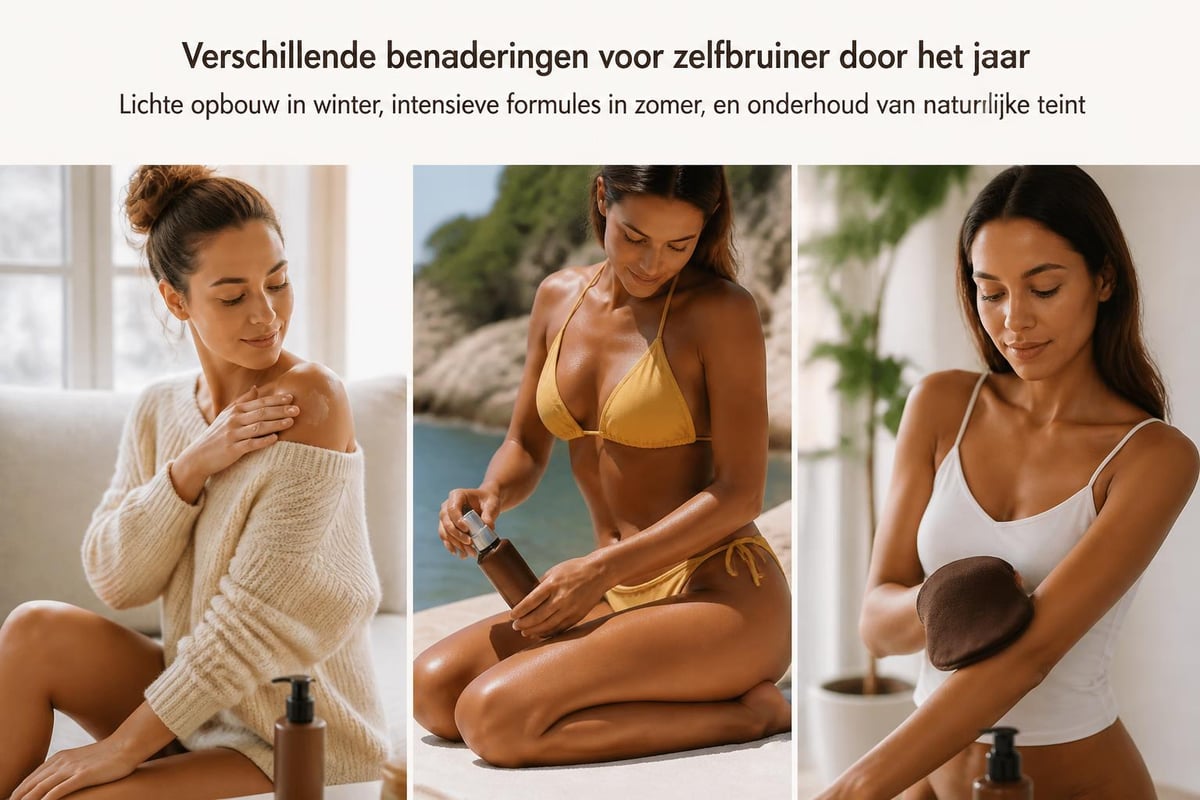
For those who want to know more about year-round tanning without sun, it is important to adapt your routine to the seasons and your skin condition.
Combination with other beauty products
A good self-tanner fits seamlessly into your existing beauty routine. However, it's important to know which products do and don't combine well.
Skincare and self-tanner
Certain skincare ingredients can affect the efficacy of self-tanner. AHAs and BHAs exfoliate the skin and cause your tan to fade faster. Do not use these products shortly before or after applying self-tanner.
Safe combinations:
- Hydrating serum (a few minutes before self-tanner)
- Vitamin E oil (after complete drying)
- Mild cleansing products
- Gentle alcohol-free toner
To avoid:
- Retinol and retinoids
- Glycolic acid and other AHAs
- Salicylic acid (BHA)
- Scrubs and peeling products
Make-up over self-tanner
Waiting until your self-tanner has fully developed before applying make-up gives the best results. This usually takes 2-3 hours, but some formulas need up to 8 hours for full development.
Foundation and bronzer can often be chosen in a lighter shade if you have a good base from a quality self-tanner. This gives a more natural look and prevents the "mask" effect that can occur with an incorrect color match.
Sustainability and environmentally conscious choices
More and more consumers want to make conscious choices that are better for the environment. Sustainable options are also available for self-tanners.
Natural and organic formulas
Natural self-tanners use plant-based DHA and organic nourishing ingredients. They are often free from synthetic fragrances, parabens, and other potentially harmful substances.
For natural products, pay attention to:
- Certifications like EcoCert or COSMOS
- Vegan and cruelty-free labels
- Organic ingredients where possible
- Sustainable packaging
- Transparent ingredient lists
Packaging and reusability
The packaging of your self-tanner also impacts the environment. Brands that are conscious of their ecological footprint opt for recycled materials, refillable packaging, or biodegradable options.
Reusable application tools, such as washable gloves, are not only better for the environment but also more economical in the long run. They can be used hundreds of times and deliver consistently good results.
Price-quality ratio and where to buy
A good self-tanner doesn't always have to be expensive, but the cheapest option is rarely the best choice. What should you look for when making your purchase?
Online versus physical stores
Online shopping often offers more choice and better prices, but you cannot physically evaluate the product. Read reviews carefully and pay attention to experiences from people with a similar skin type.
Advantages of buying online:
- Larger assortment
- Often better prices
- Easy to compare reviews
- Direct product information
Advantages of physical stores:
- See and smell the product
- Direct professional advice
- Opportunity to test
- No shipping costs or waiting time
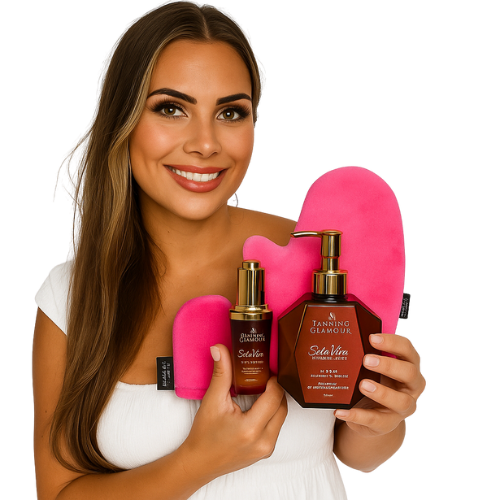
On the Tanning Glamour website, you will find a carefully curated selection of products chosen for quality and results, with transparent information about ingredients and application.
When is a product worth its price?
A good self-tanner justifies a higher price due to several factors. High-quality ingredients, longer shelf life, better scent, and a more pleasant user experience are all aspects that can make the investment worthwhile.
Also calculate the cost per application. A more expensive product that lasts longer and gives better results is ultimately often more economical than a cheap option that you have to replace or touch up more often.
For more information about the different products and their applications, check the frequently asked questions for answers to specific questions about use and results.
Choosing a good self-tanner is about finding the perfect balance between formula, color, price, and ease of use for your specific situation. With natural ingredients, the right application technique, and proper maintenance, you can enjoy a radiant, sun-kissed tan that lasts up to a week. Tanning Glamour helps you achieve that perfect glow with natural self-tanners that provide an even, long-lasting tan without streaks or orange undertones, making you look like you just returned from vacation.
Ontdek jouw mooiste glow
Verzorgende zelfbruiners van SolaVita - streeploos, geen oranje.
Read more
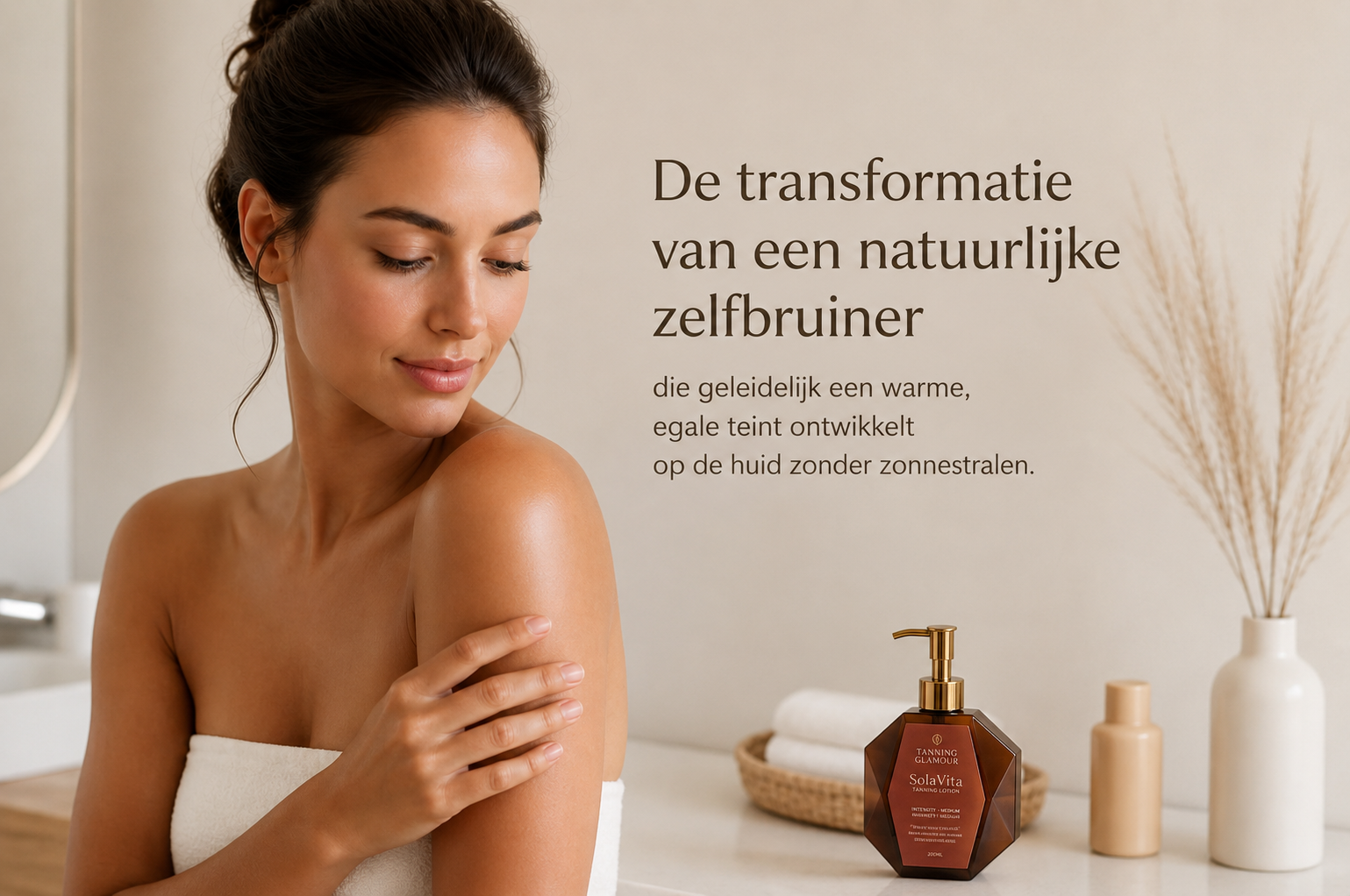
Discover how self-tanners work, what types are available, and how to achieve a perfect, natural glow without the sun. Tips for streak-free results.
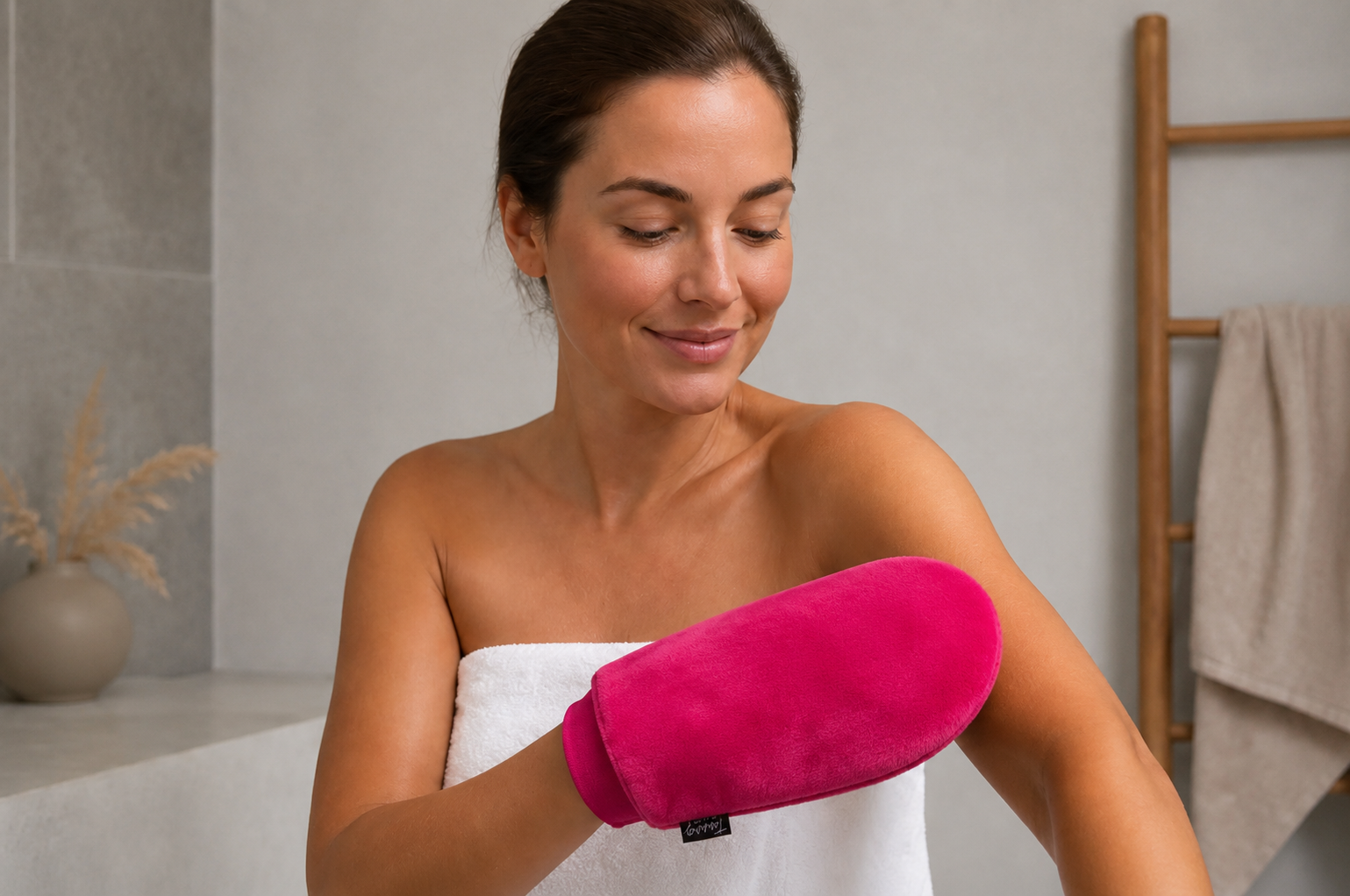
Discover how to create a perfect, streak-free tan with a self-tanner and mitt. Tips for even application and a natural glow.