
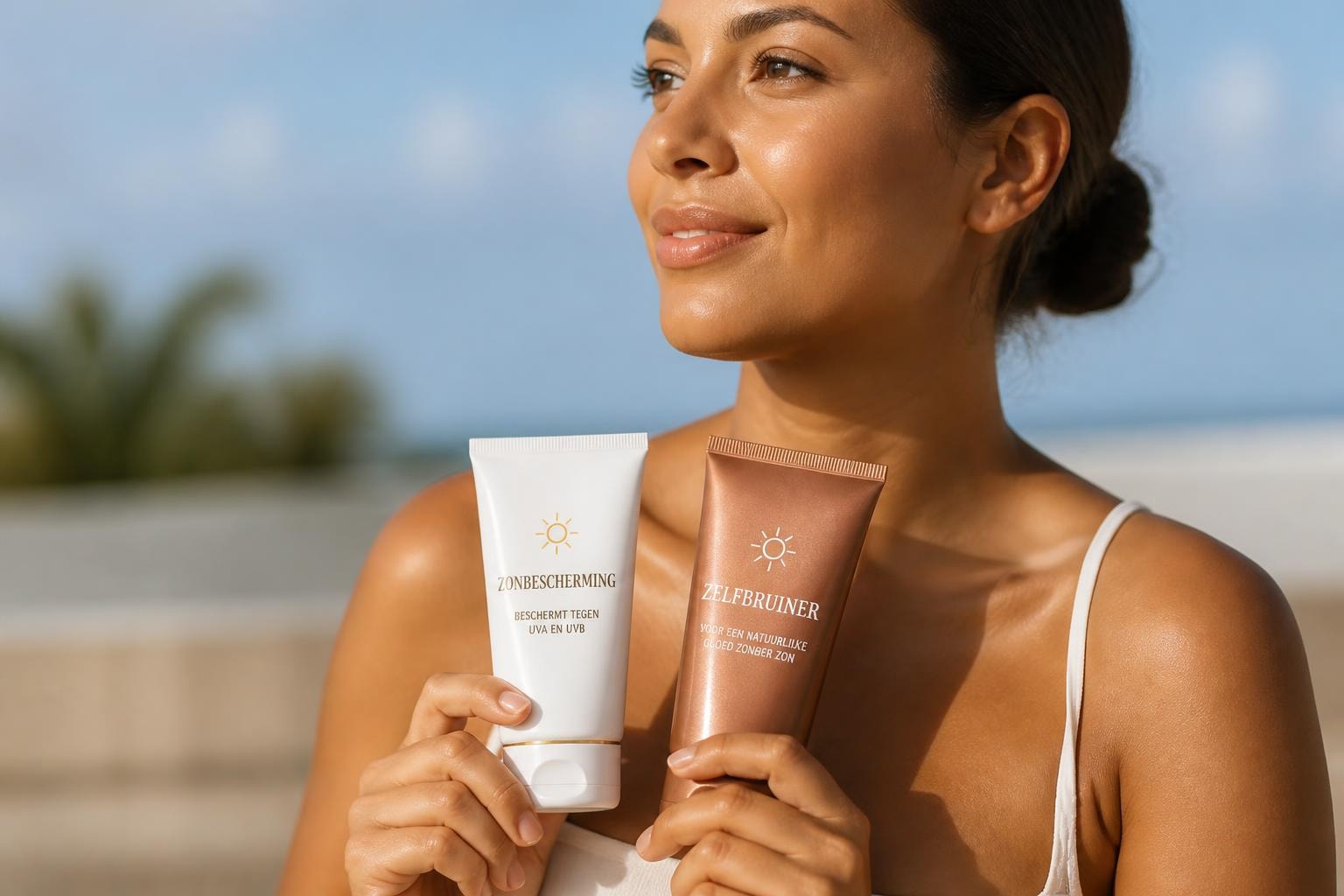
Self-tanner and sunscreen: safe tanning without damaging your skin
A radiant, golden tan without spending hours in the sun or damaging your skin. It sounds like a dream come true. Many people are looking for ways to get a tan without the dangers of UV radiation, and this sometimes leads to confusion about self-tanner sunscreen. Is it a product that does both? Or are they two different products, each with its own function? In this article, you'll discover exactly what the difference is, how to safely create a beautiful tan, and what role both products play in your skincare routine for a healthy, sun-kissed glow.
The difference between self-tanner and sunscreen
Self-tanner and sunscreen are two completely different products, each with a unique function. Although they are sometimes mentioned in the same breath, it's important to understand that they are not interchangeable and each serves its own purpose in your skincare routine.
What self-tanner does for your skin
Self-tanner is a cosmetic product that gives your skin a brown color without having to sit in the sun. The active ingredient in most self-tanners is DHA (dihydroxyacetone), a sugar molecule that reacts with the amino acids in the top layer of your skin. This chemical reaction causes a brown discoloration that usually becomes visible within 2-3 hours.
The main characteristics of self-tanner:
- Gives your skin a brown color without UV radiation
- Works only on the uppermost skin layer (stratum corneum)
- Results are visible within a few hours
- Lasts approximately 5-7 days
- Offers no sun protection
It is essential to remember that self-tanner does not protect your skin from sun rays. You will get a beautiful tan, but your skin is just as susceptible to UV damage as before.
What sunscreen does for your skin
Sunscreen, also called sun cream or sunblock, is a protective product that shields your skin from harmful UV radiation from the sun. This product contains ingredients that absorb or reflect sun rays before they can damage your skin.
| Characteristic | Self-tanner | Sunscreen |
|---|---|---|
| Primary function | Colors the skin brown | Protects against UV radiation |
| Active ingredients | DHA, erythrulose | Chemical or physical filters |
| UV protection | No | Yes (SPF 15-50+) |
| Duration of effect | 5-7 days | Several hours (reapply) |
| Visible result | Brown tan | No color change (usually) |
Sunscreen prevents sunburn, premature skin aging, and reduces the risk of skin cancer. It is indispensable when you are in the sun, regardless of whether you are tanned or not.
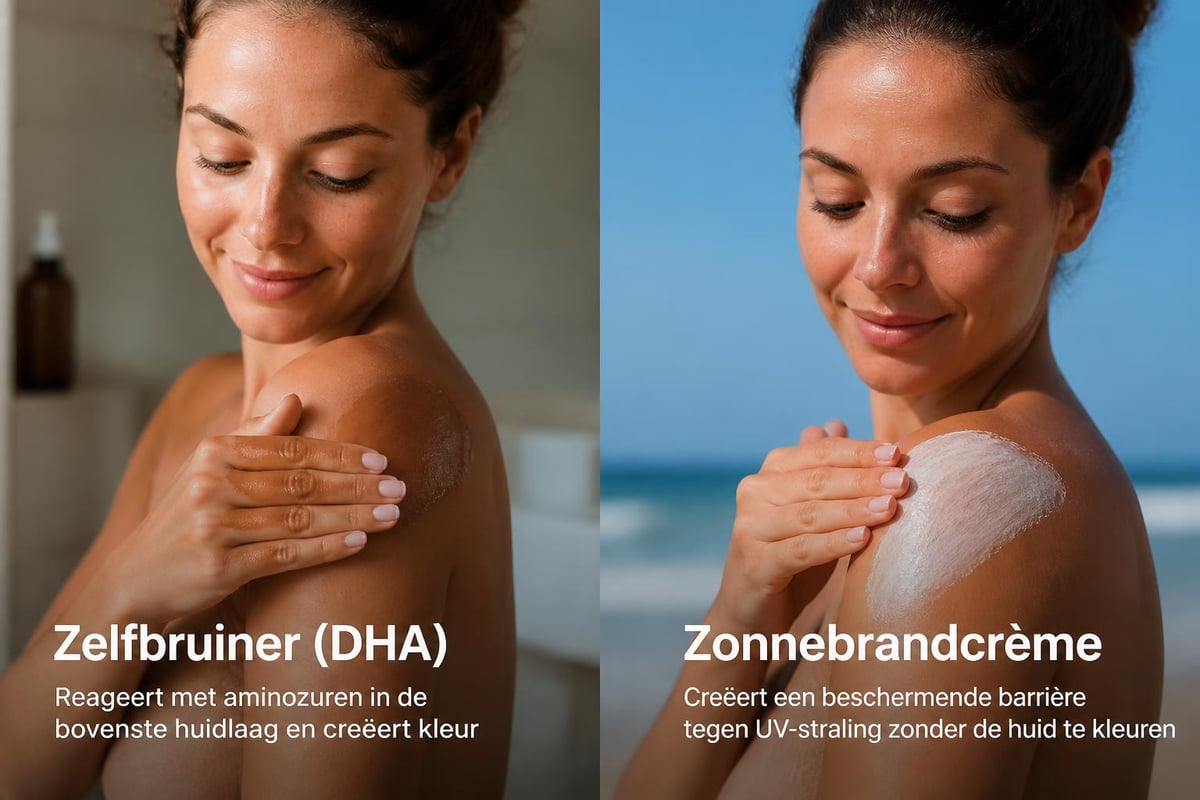
Why self-tanner offers no protection
A common misconception is that tanned skin, even from self-tanner, protects you from the sun. This is a dangerous misconception that can lead to severe sun damage. Let's understand why this is not true.
The science behind skin protection
Natural tanning from the sun occurs because your skin produces melanin in response to UV radiation. This melanin offers a protection factor of approximately SPF 2-4, which is minimal. Self-tanner, on the other hand, only colors the surface of your skin without any melanin being produced.
Important facts about self-tanner and sun protection:
- Self-tanner does not stimulate melanin production
- The brown color is only in dead skin cells
- No natural protective mechanism is created
- Your skin remains just as susceptible to burning
- A brown tint can give you a false sense of security
This means you should always use sunscreen when you are in the sun, even if you have a beautiful brown tan from self-tanner. The combination of both products gives you the best of both worlds: a beautiful color and protection.
The dangers of sunbathing without protection
In 2026, we know more than ever about the harmful effects of UV radiation. Sun rays consist of UVA and UVB rays, both of which can cause damage to your skin. UVB rays cause visible burning, while UVA rays penetrate deeper and cause long-term damage.
Consequences of unprotected sun exposure:
- Acute sunburn and pain
- Premature wrinkles and pigment spots
- Loss of elasticity and firmness
- Increased risk of various forms of skin cancer
- Damage to DNA in skin cells
Even if you have a brown tan from self-tanner, your skin cells run the same risk. A radiant tan is fantastic for your self-confidence, but sun protection is essential for your health.
How to combine self-tanner with sun protection
The key to a beautiful, healthy tan in 2026 is the smart combination of self-tanner and sunscreen. With the right approach, you can enjoy a golden glow without harming your skin. Here you'll discover how to best use both products.
The ideal order of application
For the best results, the order in which you apply products is crucial. This prevents products from counteracting each other and ensures an even tan and good protection.
Step-by-step: combining self-tanner and sunscreen
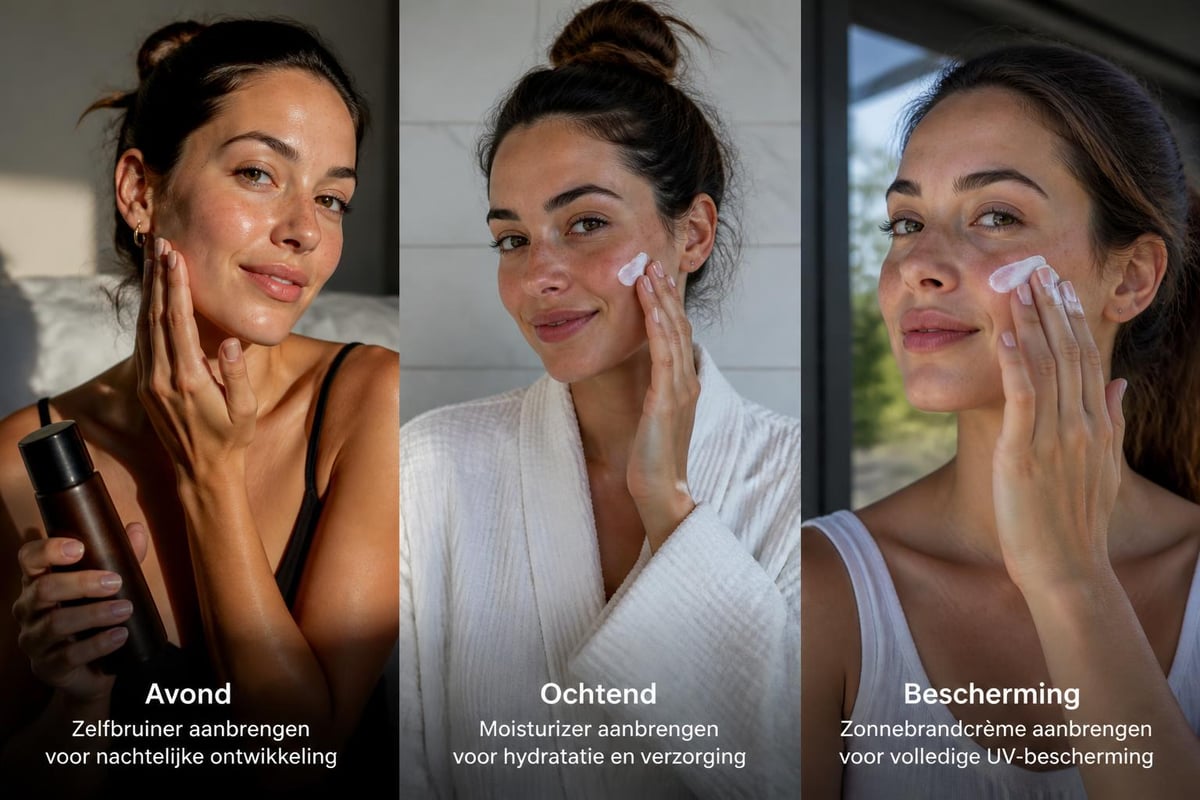
- First apply your self-tanner to clean, exfoliated skin, preferably in the evening
- Let the self-tanner develop fully for at least 6-8 hours
- Shower the next morning to remove any excess color
- Apply your daily skincare such as serum and day cream
- Apply your sunscreen as the last step before going outside
- Reapply sunscreen every 2 hours and after swimming or sweating
At Tanning Glamour, you'll find natural self-tanners that are perfect for this routine. The formulas are designed to absorb quickly and leave no sticky feeling, making it easy to apply sunscreen the next day.
Choosing products that work well together
Not all self-tanners and sunscreens work equally well together. Some combinations can lead to patchy results or reduce the effectiveness of your sun protection.
| Factor | What to look for | What to avoid |
|---|---|---|
| Self-tanner texture | Quick-absorbing lotion or mousse | Very oily formulas |
| Sunscreen type | Light, non-comedogenic formulas | Thick, white creams that pill |
| Ingredients | Hydrating with aloe vera or glycerin | Alcohol as the first ingredient |
| Scent | Light or neutral scent | Strong perfumes that clash |
Products that hydrate and nourish well work best together. Your skin needs moisture to allow the self-tanner to fade beautifully and to be optimally protected by sunscreen.
Tips for a long-lasting tan with optimal protection
Maintaining a radiant tan while protecting your skin requires the right care. With these practical tips, you can enjoy your sun-kissed glow longer and keep your skin healthy and protected.
Preparation is half the battle
The quality of your tanned complexion largely depends on how well you prepare your skin. An even base ensures a natural result that stays beautiful for days, even in combination with daily sun protection products.
Preparation steps for the perfect tan:
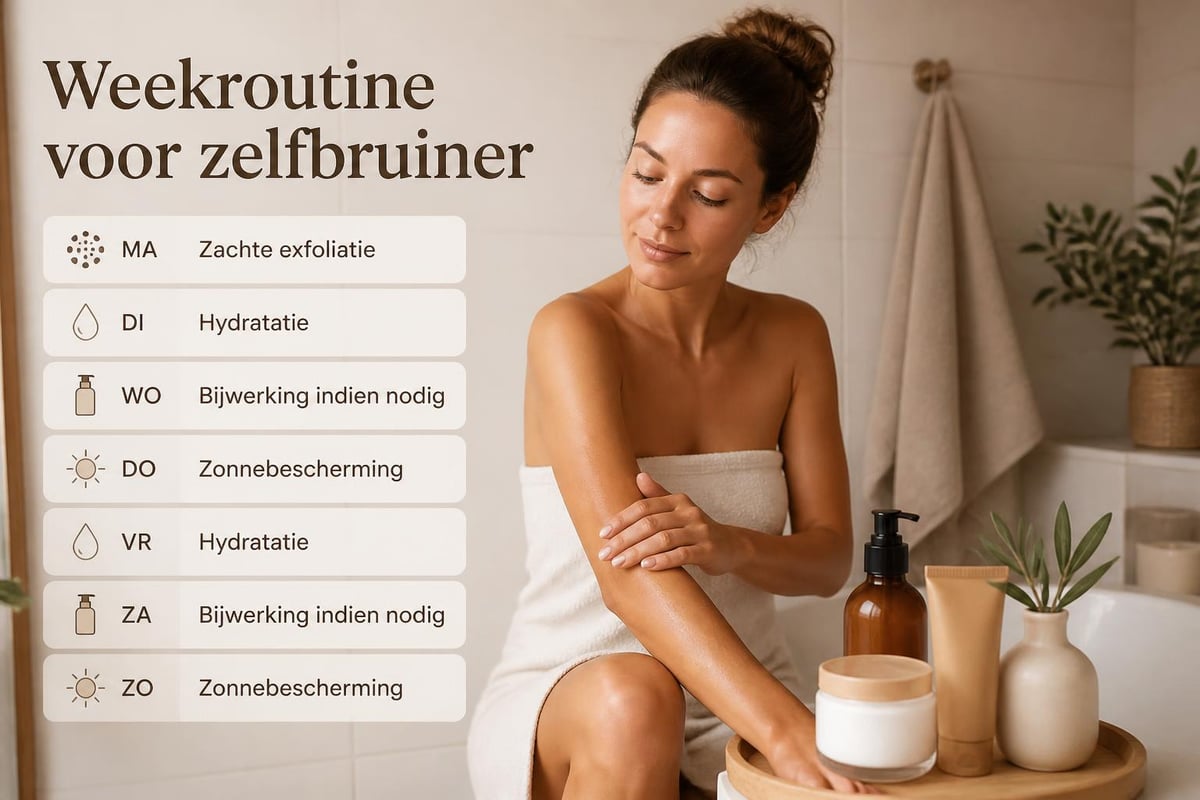
- Exfoliate your skin thoroughly 24 hours before applying self-tanner
- Pay extra attention to rough areas like knees, elbows, and ankles
- Shave or epilate at least 12 hours in advance
- Lightly moisturize dry areas, but wait until the skin is completely dry
- Use an application mitt for an even, streak-free result
Good preparation also means you can apply sunscreen better and spread it more evenly over your tanned skin. If you are looking for professional application tools, check out the various application mitts and tools that make application easier.
Maintaining your tanned complexion
Maintaining a beautiful tan while using daily sunscreen requires smart maintenance. The right skincare routine ensures that your self-tanner doesn't fade patchy and your skin stays healthy.
Maintenance tips for long-lasting results:
- Hydrate your skin daily with a light, nourishing body lotion
- Shower with lukewarm water instead of hot water
- Pat your skin dry instead of rubbing
- Avoid excessive exfoliation during your tanned period
- If necessary, apply a thin layer of self-tanner to refresh
- Always use sunscreen with at least SPF 30 for outdoor activities
Many people wonder if sunscreen makes self-tanner fade faster. Although some sun protection products can indeed have a slight fading effect due to their ingredients, this is minimal compared to the importance of UV protection.
Frequently asked questions about self-tanner sunscreen
When combining self-tanner and sun protection, the same questions often arise. Here you will find answers to the most frequently asked questions about this topic.
Can I find products that have both functions?
There are products on the market that claim to offer both self-tanner and sun protection. These tinted sunscreens give your skin a light, temporary tint while also providing SPF protection. However, it's important to understand that these products usually:
- Have a lower SPF than specialized sunscreen products
- Give a subtler, temporary tint than real self-tanner
- Often do not stay on the skin long enough for optimal sun protection
- Do not provide the long-lasting tan you expect from self-tanner
For the best results, it is therefore advisable to use both products separately. Choose a good self-tanner for your long-lasting tan and a reliable sunscreen for optimal protection.
How often should I reapply sunscreen?
Even with self-tanner, the same rules apply to reapplying sunscreen. The general guidelines in 2026 are:
| Situation | Frequency | Additional considerations |
|---|---|---|
| Normal daily use | Every 2-3 hours | More with intense sun |
| After swimming or sweating | Immediately thereafter | Even with water-resistant formulas |
| With high UV index | Every hour | Extra protection for sensitive areas |
| Winter sports or beach | Every hour | Reflection amplifies UV radiation |
Reapplying sunscreen over your self-tanner does not have to cause streaks, as long as your product has absorbed well and you use a light, even layer.
Should I use a different SPF with self-tanner?
The SPF you need does not depend on whether you use self-tanner, but on your current skin type, the intensity of the sun, and how long you are outdoors. Tanned skin from self-tanner offers no additional protection, so your SPF choice remains the same.
SPF guidelines regardless of self-tanner use:
- Daily use: at least SPF 30
- Long-term exposure: SPF 50 or higher
- Sensitive or pale skin: always SPF 50+
- Children: special children's sunscreen with high SPF
- After treatments or medication: consult your dermatologist
It is a misconception that with tanned skin from self-tanner, you can use a lower SPF. Your skin is just as vulnerable as without that beautiful tan.
The advantages of self-tanner over natural sun
When you choose self-tanner instead of sunbathing, you are consciously choosing a healthier approach to getting a tan. The benefits extend beyond just skin protection and address various aspects of your well-being.
Long-term health benefits
By choosing self-tanner, you avoid the cumulative damage caused by UV radiation. Every time you are in the sun unprotected, the damage accumulates in your skin cells. With self-tanner, you get a beautiful tan without these risks.
Long-term benefits of self-tanner:
- No increased risk of skin cancer
- Preservation of collagen and elastin in your skin
- Less chance of pigment spots and age spots
- Preservation of young, firm skin
- No exposure to harmful free radicals
In 2026, awareness of skin health is greater than ever. More and more people are choosing to tan without sun as a smart, safe option for a radiant appearance.
Control over your tan
With self-tanner, you have complete control over the intensity and duration of your tan. This is especially useful if you want to maintain an even tan throughout the year, regardless of the season or weather.
You can decide when to refresh your tan, how intensely you want to build up the color, and which areas need extra attention. This flexibility is not offered by natural sun tanning. Moreover, you prevent unwanted differences between covered and uncovered skin areas.
Making smart choices in 2026
The skincare industry is constantly evolving, and in 2026, there are more choices than ever for those who want a safe, beautiful tan. Combining modern self-tanners with effective sun protection is the smartest approach for your skin.
What to look for in modern self-tanners
The best self-tanners of 2026 are developed with not only results but also skin health in mind. They contain nourishing ingredients that care for your skin while giving it a beautiful tan.
Characteristics of high-quality self-tanners:
- Natural ingredients without parabens or sulfates
- Hydrating with aloe vera, vitamin E, or hyaluronic acid
- Quick absorption without a sticky feeling
- Pleasant scent without a strong DHA smell
- Even result without orange undertones
- Suitable for face and body
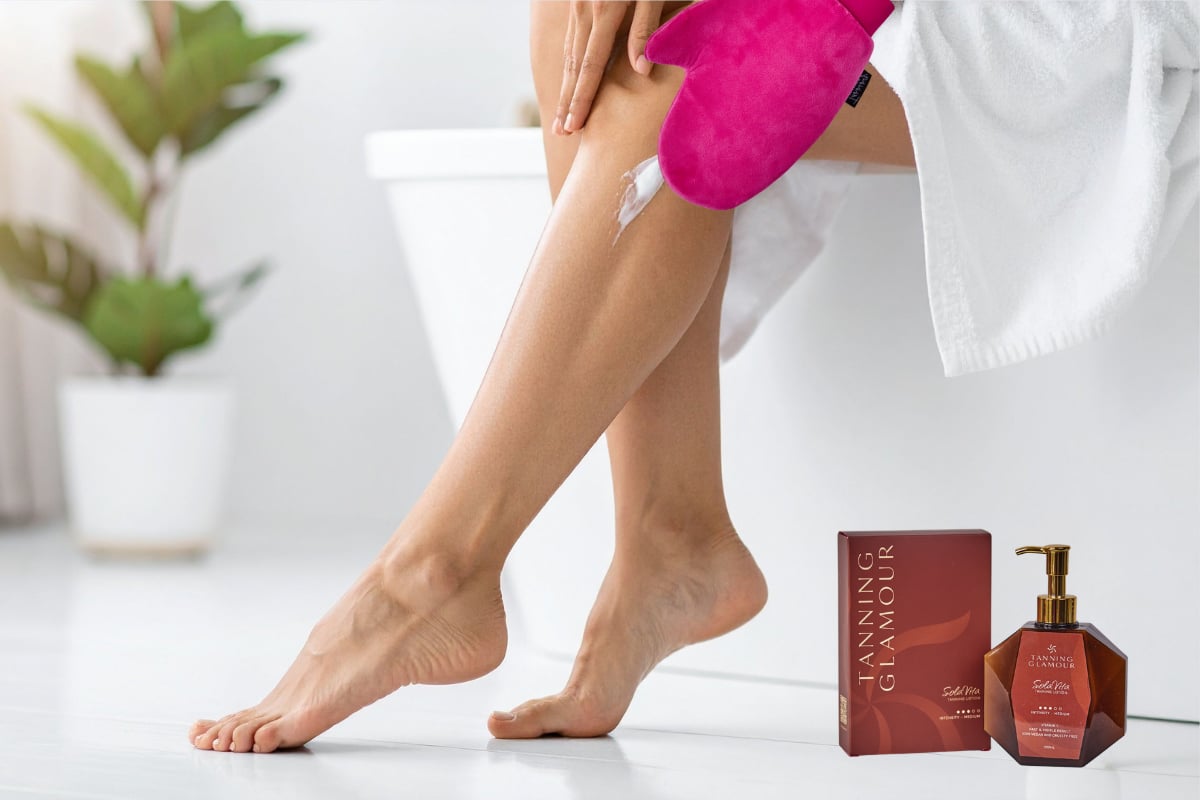
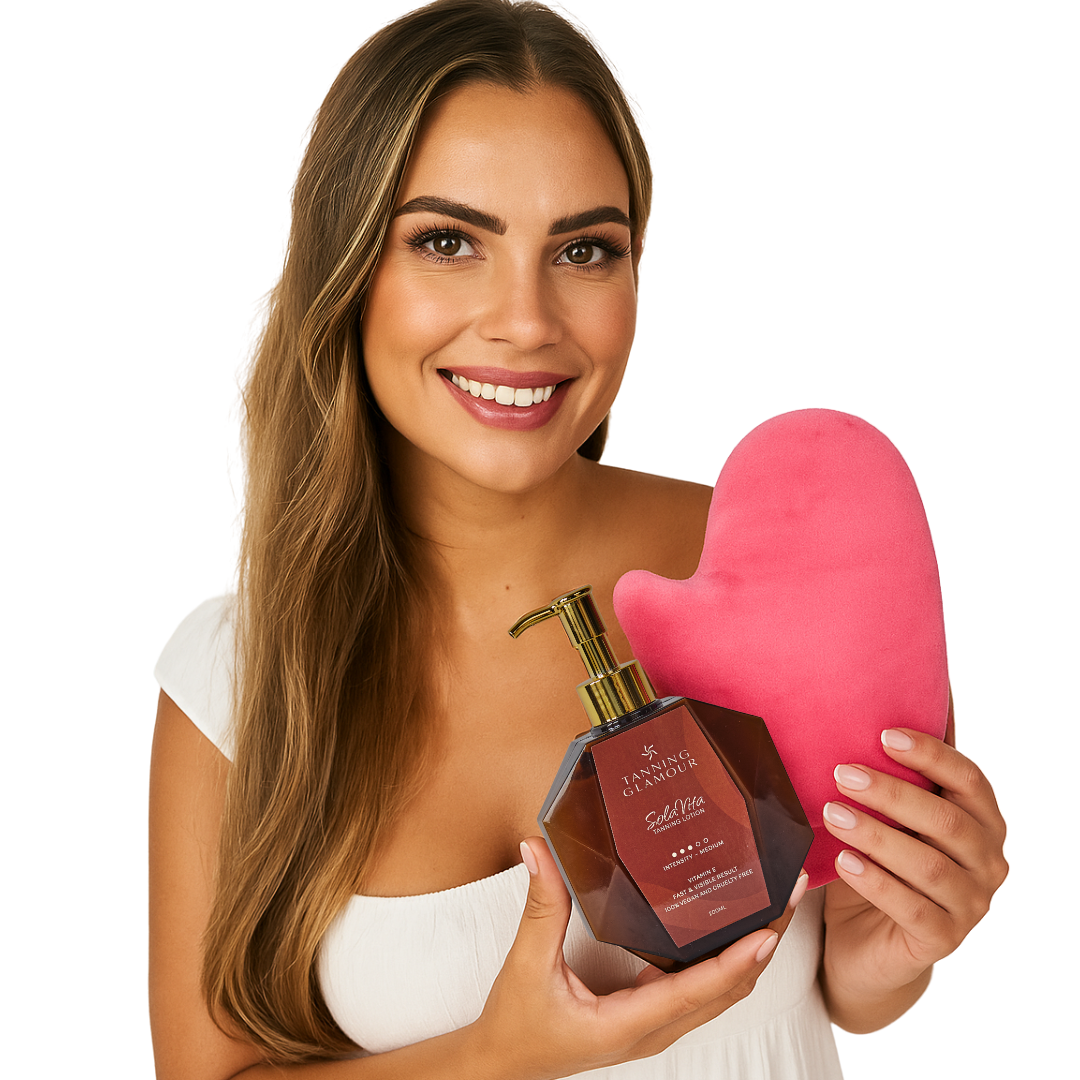
The SolaVita Self-Tanner Lotion combines these properties and gives you a natural, even tan within hours that lasts 5-7 days, even after showering. The formula absorbs quickly and feels comfortable on your skin, making it easy to apply your sunscreen the next day.
Investing in good sun protection
In addition to a good self-tanner, investing in quality sunscreen is essential. A product that protects well without leaving a white cast or feeling sticky makes the difference between consistent and inconsistent use of protection.
Properties of ideal sunscreen:
- Broad-spectrum protection against UVA and UVB
- Minimum SPF 30, preferably SPF 50
- Water-resistant for at least 40 minutes
- Light texture that absorbs quickly
- No white residue on the skin
- Suitable for daily use under makeup
Good sun protection doesn't have to be expensive, but it must be reliable. Always check the expiration date and replace your product in time for optimal effectiveness.
The future of safe tanning
Looking at the future of skincare and tanning, we see a clear trend towards safer, smarter products. Awareness of skin health is growing, and with it, the demand for products that combine beauty and protection.
Innovations in self-tanning products
Developments in self-tanners are rapid. New formulas work with improved DHA variants and additional ingredients that enhance the scent, extend shelf life, and provide even better skin care during the tanning process.
Trends for the coming years:
- Personalized formulas tailored to skin type
- Products with built-in skincare and anti-aging
- Faster development with results within 1-2 hours
- More natural scents through advanced technology
- Sustainable packaging and natural ingredients
- Smart application tools for perfectly even results
These innovations make it increasingly easy to get a beautiful tan without harming your skin. However, the importance of additional sun protection remains crucially unchanged.
Education and awareness
One of the most important developments is the increasing education about the difference between cosmetic tanning and sun protection. The more people understand that self-tanner offers no protection, the more consciously they will deal with sun exposure.
Brands, dermatologists, and skin therapists are working together to spread this message. The goal is clear: a society where everyone enjoys a beautiful tan without risking their skin health. Knowledge about the correct use of self-tanning products and sun protection is becoming increasingly accessible.
A radiant, golden tan and healthy skin go hand in hand when you make the right choices. Understanding the difference between self-tanner and sunscreen is the first step towards a beautiful tan without worries. By using self-tanner for your color and always adding sunscreen for protection, you get the best of both worlds: a sunny glow and long-term skin health. Tanning Glamour helps you with natural self-tanners that give you an even, long-lasting tan in just a few hours, without orange undertones or streaks, so you can radiate with a well-groomed appearance and the confidence that your skin remains optimally protected.
Ontdek jouw mooiste glow
Verzorgende zelfbruiners van SolaVita - streeploos, geen oranje.
Read more
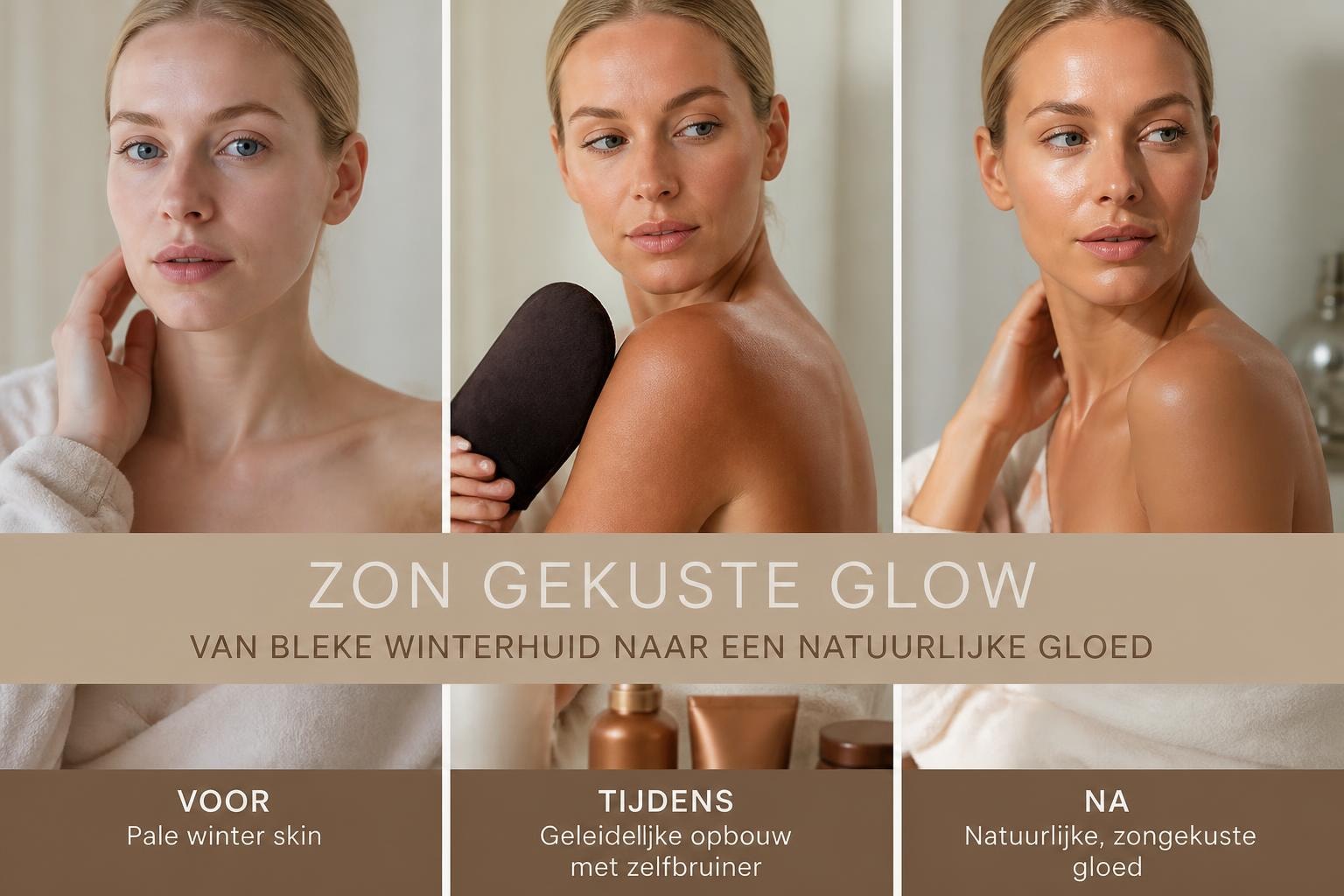
Get that coveted sun-kissed glow all year round, without UV damage. Discover proven tips for a natural tan.
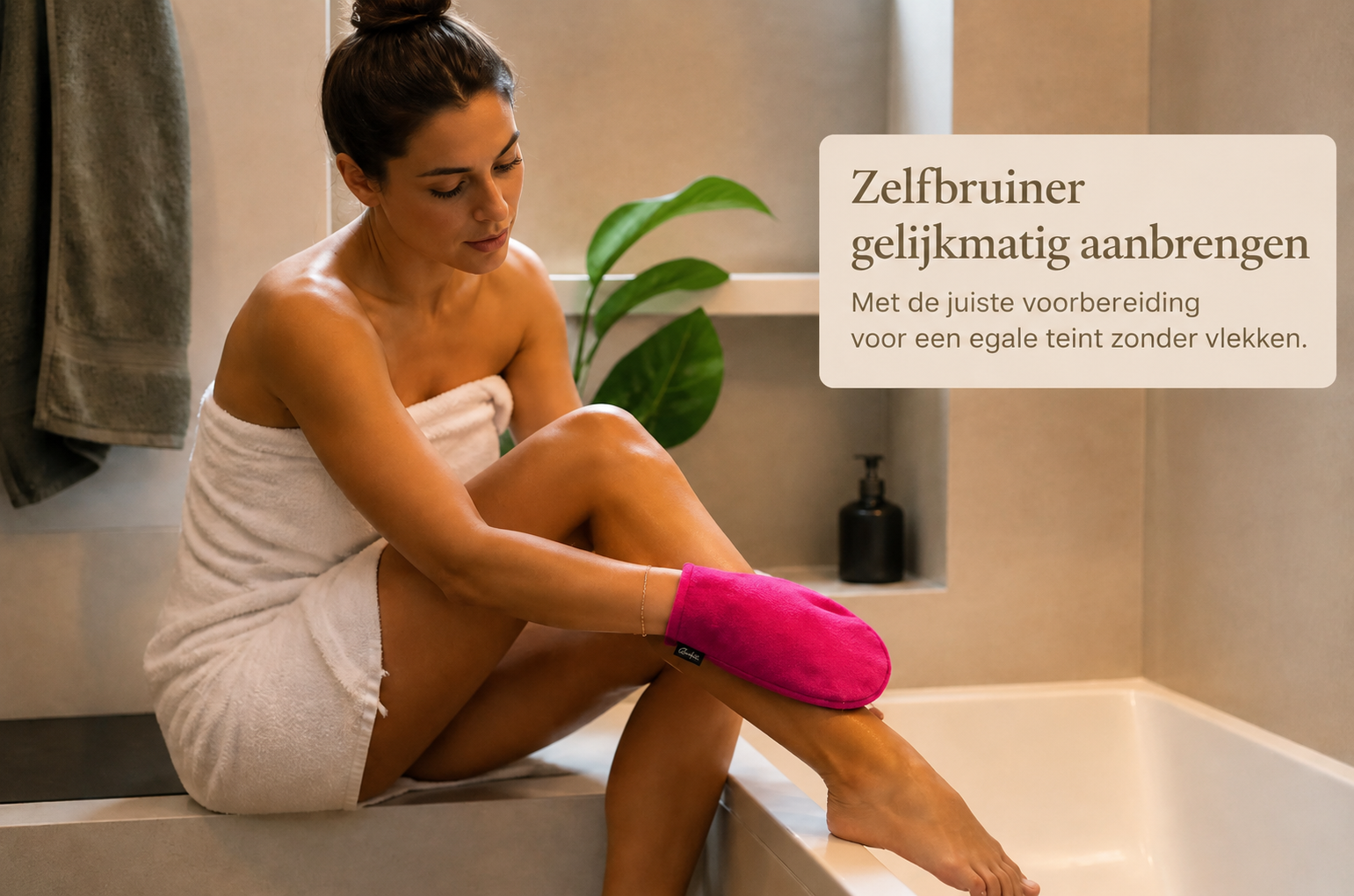
Self-tanner stains? Discover how to prevent and remove streaks and blotches for an even, natural-looking, radiant glow.