
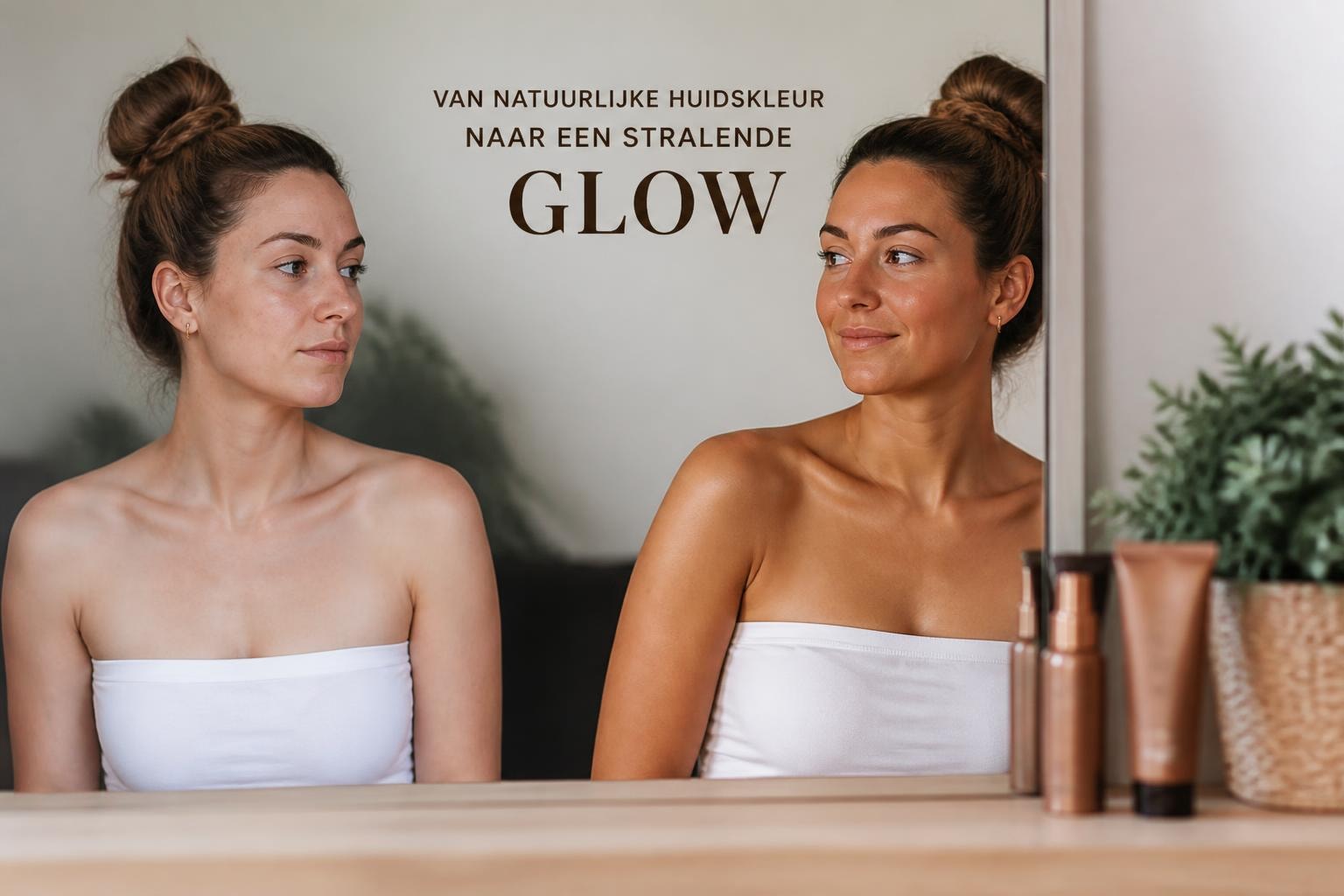
Sunless tanning: a natural and even glow without the sun
A radiant, healthy tan without exposing yourself to harmful UV radiation. That's exactly what sunless tanning offers. In 2026, more and more people are consciously choosing self-tanners as a safe and effective alternative to sunbathing. The technology behind these products has significantly improved, allowing you to achieve results that look completely natural. No orange undertones, no streaks, but a warm glow that immediately gives you a well-groomed appearance. This guide will take you through everything you need to know about sunless tanning: from how it works to the best techniques for an even result.
What is sunless tanning and how does it work?
Sunless tanning is a collective term for all methods that tan your skin without the use of sunlight or UV radiation. The most popular form is self-tanner: cosmetic products that temporarily change your skin tone.
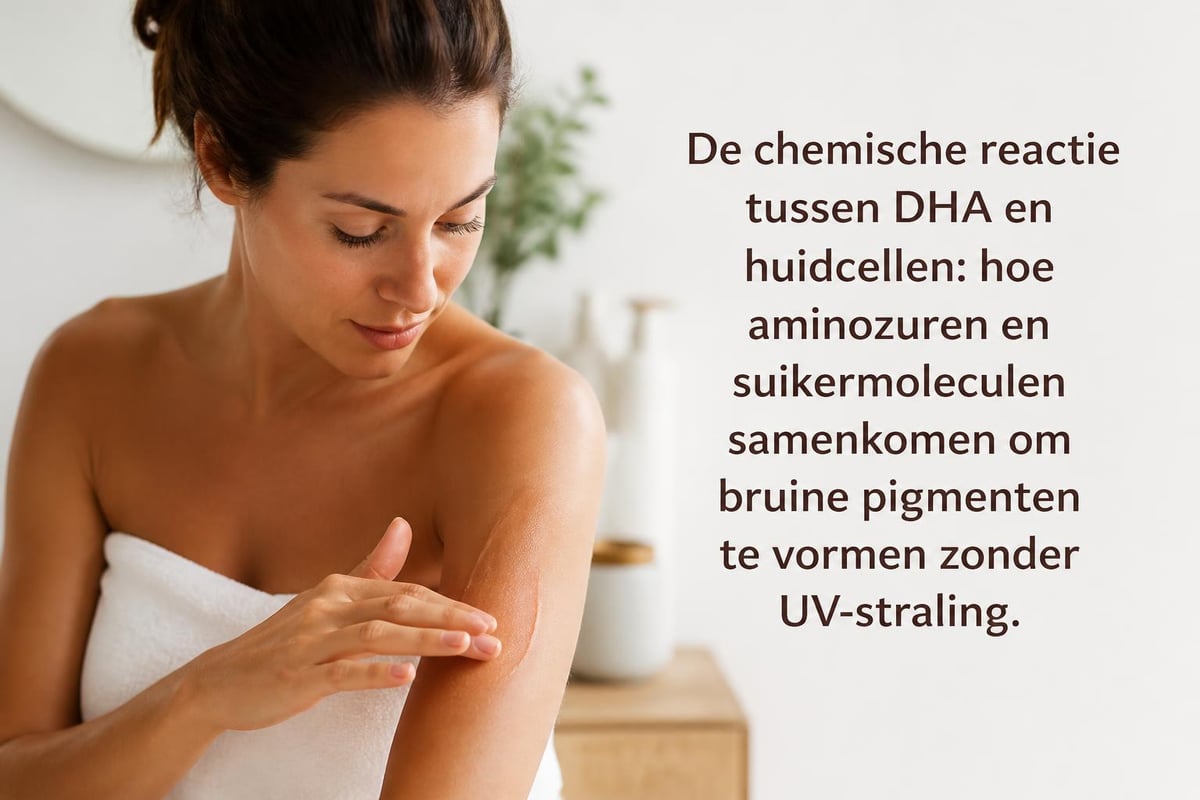
The active ingredient in most self-tanners is dihydroxyacetone, or DHA for short. This sugar compound reacts with the amino acids in the top layer of your skin. This chemical reaction is called the Maillard reaction and produces melanoidins, brown pigments that darken your skin.
The process starts within a few hours after application. You usually see your first results after 2-3 hours, while the color fully develops within 24 hours. The tan remains beautiful until the skin cells renew themselves, which normally takes 5-7 days.
The different forms of sunless tanning
Modern self-tanners are available in various formulas:
- Lotions: ideal for the whole body, easy to spread
- Mousse: light texture that absorbs quickly
- Spray: practical for large areas
- Drops: mix with your day cream for a subtle result
- Gels: transparent and suitable for precision work
Each type has its own advantages. Lotions are perfect for beginners because they are clearly visible during application. Drops offer the most flexibility in color intensity. For a natural, buildable tan, self-tanner drops are a popular choice.
The benefits of sunless tanning for your skin
The health benefits of sunless tanning are enormous. Every time you sunbathe or visit a tanning bed, you damage your DNA and increase your risk of skin cancer. Self-tanners offer a completely safe alternative.
UV radiation dramatically accelerates skin aging. It breaks down collagen and elastin, leading to wrinkles, pigmentation spots, and dull skin. With sunless tanning, you completely prevent this damage while still getting a sun-kissed look.
| Sunbathing/tanning bed | Sunless tanning |
|---|---|
| UV damage to DNA | No UV exposure |
| Increased cancer risk | Safe for the skin |
| Accelerated aging | Maintains skin quality |
| Dependent on weather | Always available |
| Time- and cost-intensive | Quick and easy |
Modern formulas often also contain nourishing ingredients such as aloe vera, vitamin E, and hyaluronic acid. These substances hydrate your skin while tanning, giving you a healthy glow that also feels good.
The right preparation for an even result
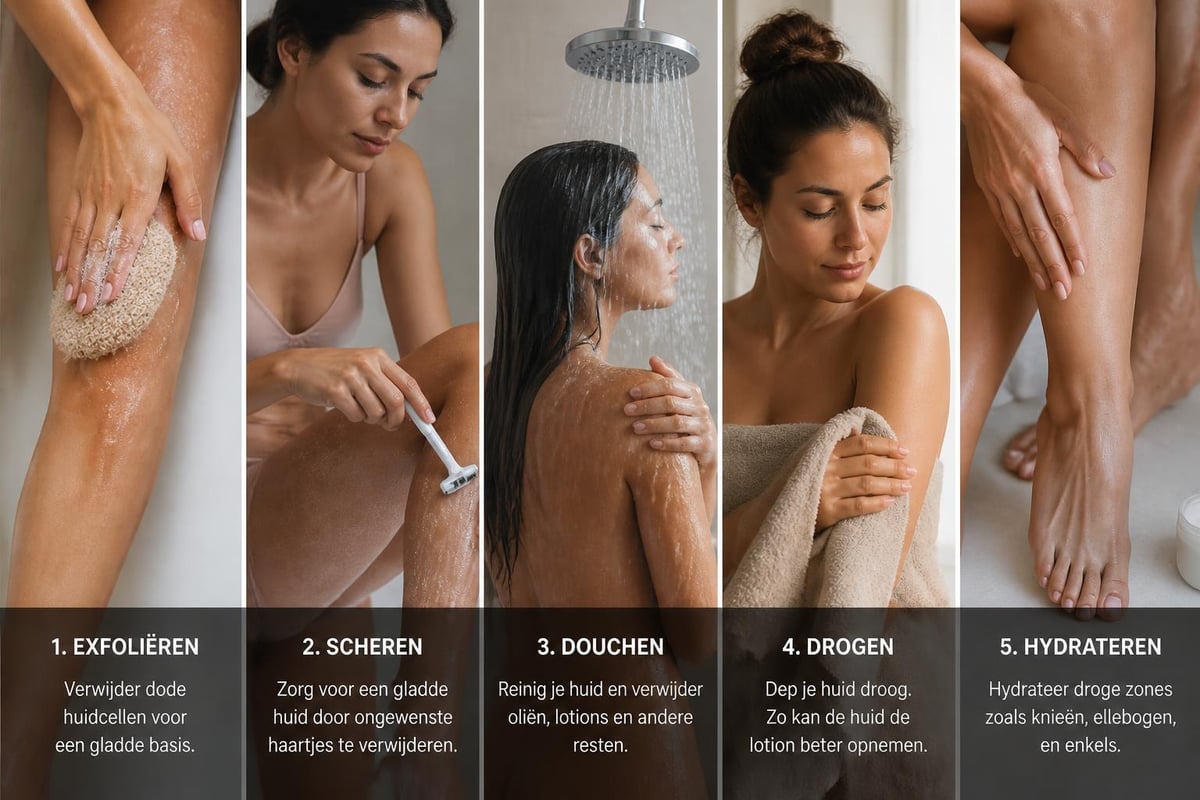
Perfect sunless tanning starts with good preparation. Exfoliation is the most important step to achieve an even result. Dry skin cells cause uneven absorption, leading to patches and streaks.
Step-by-step preparation
- Scrub your skin 24 hours before application with a gentle body scrub
- Shave or wax at least 12 hours beforehand to prevent irritation
- Take a warm shower to open pores and remove any remaining dead skin cells
- Pat your skin dry instead of rubbing
- Hydrate dry areas such as elbows, knees, and ankles with a light moisturizer
Pay particular attention to areas where the skin tends to get dry more quickly. Your elbows, knees, ankles, and wrists absorb more product, which can lead to dark spots. A thin layer of body lotion on these areas creates a barrier that prevents over-absorption.
Avoid products with oil or silicones just before tanning. These ingredients can form a barrier that prevents the DHA from reacting properly with your skin. Water-based moisturizers work best.
Application techniques for a natural tan
The way you apply sunless tanning largely determines the final result. An applicator mitt is indispensable for a professional result. This prevents your hands from discoloring and ensures even distribution.
Always start with your legs and work upwards. This prevents product from spreading or staining already treated areas. Use circular motions and always blend well into the transition between areas.
Techniques per body part
Legs: Apply the product in long, flowing strokes from ankle to upper thigh. Use less product on your knees and ankles.
Torso: Work in vertical stripes from waist to shoulders. Pay extra attention to your sides for natural shadowing.
Arms: Start at your wrists and work towards your shoulders. Blend the product well into your elbows.
Face: Use a smaller sponge or mini-mitt. Apply less product to your hairline, eyebrows, and nose.
Hands and feet: Use residue on your mitt and lightly wipe over your hands and feet. Immediately clean your palms and soles.
For hard-to-reach places like your back, special tools exist. A back applicator makes it possible to treat your entire body yourself without help.
Maintenance and extension of your sunless tan
Your sunless tanning result will remain beautiful with the right aftercare. Hydration is key to a long-lasting tan. Dry skin exfoliates faster, which shortens your tan.
Apply a rich body lotion daily after showering. Choose alcohol-free formulas, as they dry out your skin. Ingredients like glycerin, shea butter, and ceramides help retain moisture.
Avoid prolonged contact with chlorinated water. Swimming pools can fade your sunless tan faster due to the combination of chemicals and rubbing from your swimsuit. Always rinse well after swimming and apply extra moisturizer.
Do's and don'ts for long-lasting results
- Do: Shower with cold or lukewarm water instead of hot water
- Do: Use gentle, sulfate-free shower gels
- Do: Pat your skin dry
- Do: Hydrate twice a day
- Don't: Exfoliate or scrub during your tan
- Don't: Lie in the bath for extended periods
- Don't: Wear tight clothing immediately after application
- Don't: Exercise within 6 hours after application
For a consistent color, you can apply a maintenance layer after 4-5 days. This keeps your tan even without having to go through the entire process again. A lighter formula or diluted concentration works best for maintenance.
Avoiding common sunless tanning mistakes
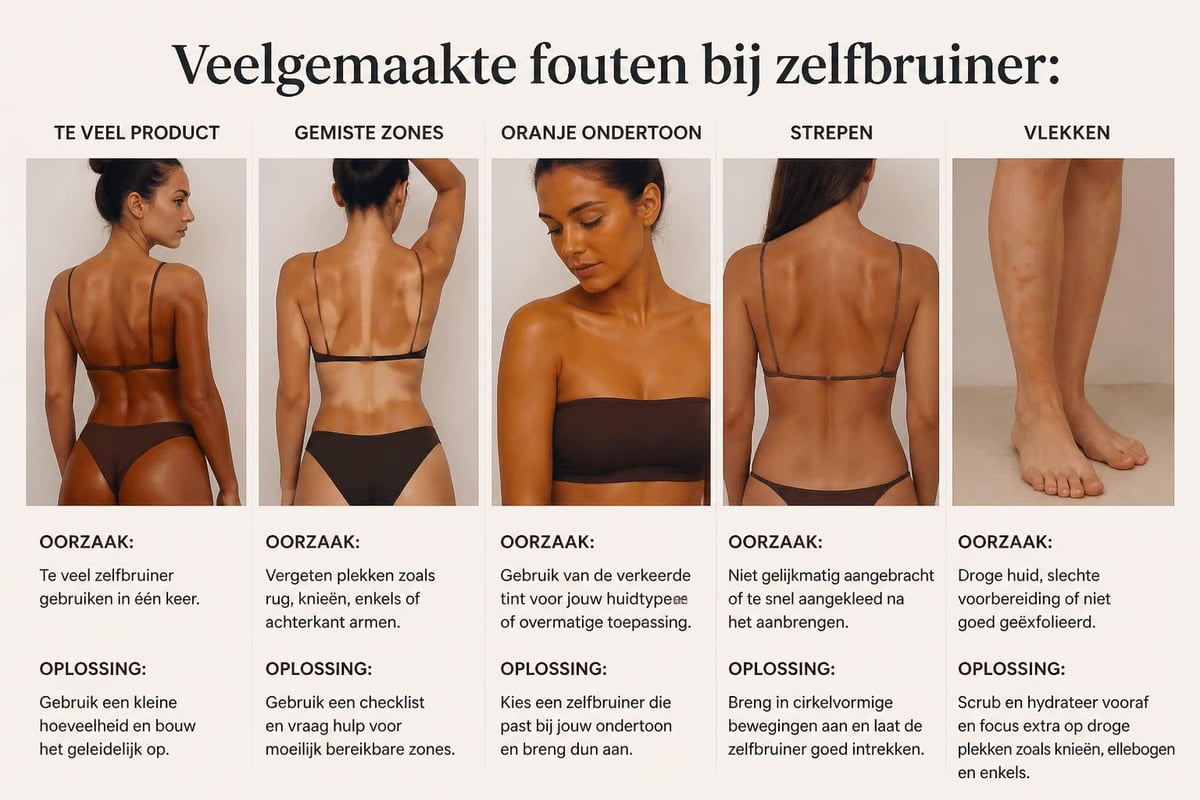
Even with experience, things can go wrong. Most mistakes are easy to prevent if you know what to look out for.
A common mistake is using too much product. More is not better with self-tanner. A thin, even layer gives a more natural result than a thick application. You can always apply a second layer if you want a deeper tan.
Forgetting to treat certain areas creates clear demarcation lines. Your neck, ears, buttocks, and the insides of your arms are often overlooked. Check yourself in a mirror from all sides.
Preventing orange undertones
The dreaded orange color arises from several factors:
- Poor product quality with too much or the wrong DHA concentration
- Too thick an application that overwhelms the skin
- Not blending well with your natural skin tone
- Old or improperly stored products where DHA has oxidized
Always choose quality products that are suitable for your skin type. Cool undertones require different formulas than warm undertones. Always test on a small patch of skin before treating your entire body.
Sunless tanning for different skin types
Not every skin type reacts the same to sunless tanning. Your natural skin tone determines which formula and concentration works best.
Pale skin types (Fitzpatrick type I-II) need products with lower DHA concentrations, between 3-6%. Start with a light application and gradually build up. These skin types tan faster and have a higher risk of an orange undertone with formulas that are too strong.
Medium skin types (Fitzpatrick type III-IV) show the most predictable results. DHA concentrations between 6-10% work excellently for a natural deepening. These skin types can experiment with intensity and build-up.
Dark skin types (Fitzpatrick type V-VI) benefit from higher concentrations starting from 10%. They often seek depth and warmth rather than dramatic color change. Look for formulas specifically designed for dark skin to avoid grey undertones.
| Skin type | DHA percentage | Application tip |
|---|---|---|
| Very pale | 3-5% | Start cautiously, build up |
| Pale | 5-7% | Regular thin layers |
| Medium | 7-10% | Standard application |
| Olive | 9-12% | Focus on warmth |
| Dark | 10%+ | Intensity and glow |
Seasons and sunless tanning strategies
Your sunless tanning routine can vary by season. In winter, you may be looking for a subtle glow to counteract paleness, while in summer you may want a deeper tan that matches your holiday look.
Winter calls for maintenance and consistency. Heated rooms dry out your skin, causing your tan to fade faster. Increase your hydration routine and consider lighter, more frequent applications instead of intense treatments.
Spring preparation means building up color before you show your bare legs. Start 2-3 weeks before the season with gradual build-up. This gives your body time to adjust and prevents patchy color differences.
Summer brings challenges such as swimming, sweating, and more exposure. Waterproof formulas help, but expect faster fading. A handy strategy is weekly full applications with interim touch-ups on faded areas.
Autumn is ideal for gradually fading your summer tan. Reduce the intensity of your product or increase the time between applications. This prevents an abrupt contrast when your clothes cover more again.
Combining sunless tanning with other skincare
Sunless tanning seamlessly integrates into your existing skincare routine. Timing is important to prevent reactions and optimize results.
Active ingredients such as retinoids, AHAs, and BHAs increase cell turnover. This can make your tan fade faster. Do not use these products immediately after applying self-tanner. Wait at least 24 hours before resuming exfoliating products.
Vitamin C serums can sometimes interact with DHA. If you use vitamin C daily, apply it in the morning and your self-tanner in the evening. This gives the ingredients time to work separately.
For optimal skin health, continue your regular SPF routine. Self-tanner offers no UV protection, despite your darker skin. A tan may give a false sense of security, but your DNA remains vulnerable to sun damage.
Suitable for sensitive skin
People with sensitive skin or conditions such as eczema or rosacea can often use sunless tanning. Choose formulas without perfume, alcohol, and harsh preservatives. Hypoallergenic options with soothing ingredients like chamomile or oats work best.
Always test on a small patch of skin 48 hours before full application. The inside of your wrist or behind your ear are good test locations. If you see no reaction, the product is likely safe.
Sunless tanning and environmental awareness
In 2026, consumers are more aware of the ecological impact of their products. Sustainable self-tanners use natural DHA sources, organic nourishing ingredients, and environmentally friendly packaging.
Look for brands that are transparent about ingredient origin. Vegan, cruelty-free formulas are becoming increasingly accessible. Refillable packaging significantly reduces plastic waste compared to disposable products.
Water usage is another area of concern. Some spray formulas require extensive rinsing, while lotions and drops are more efficient. Choose products that align with your values without compromising on results.
Biodegradable formulas break down faster in the environment. Check if DHA and other ingredients are safe for water treatment. This is especially important if your product ends up in the sewer during showering.
Professional versus home use
Professional spray tans in salons offer perfection and speed. An expert can treat hard-to-reach areas and perfectly match the color. However, costs add up with regular use, between €35-€75 per session.
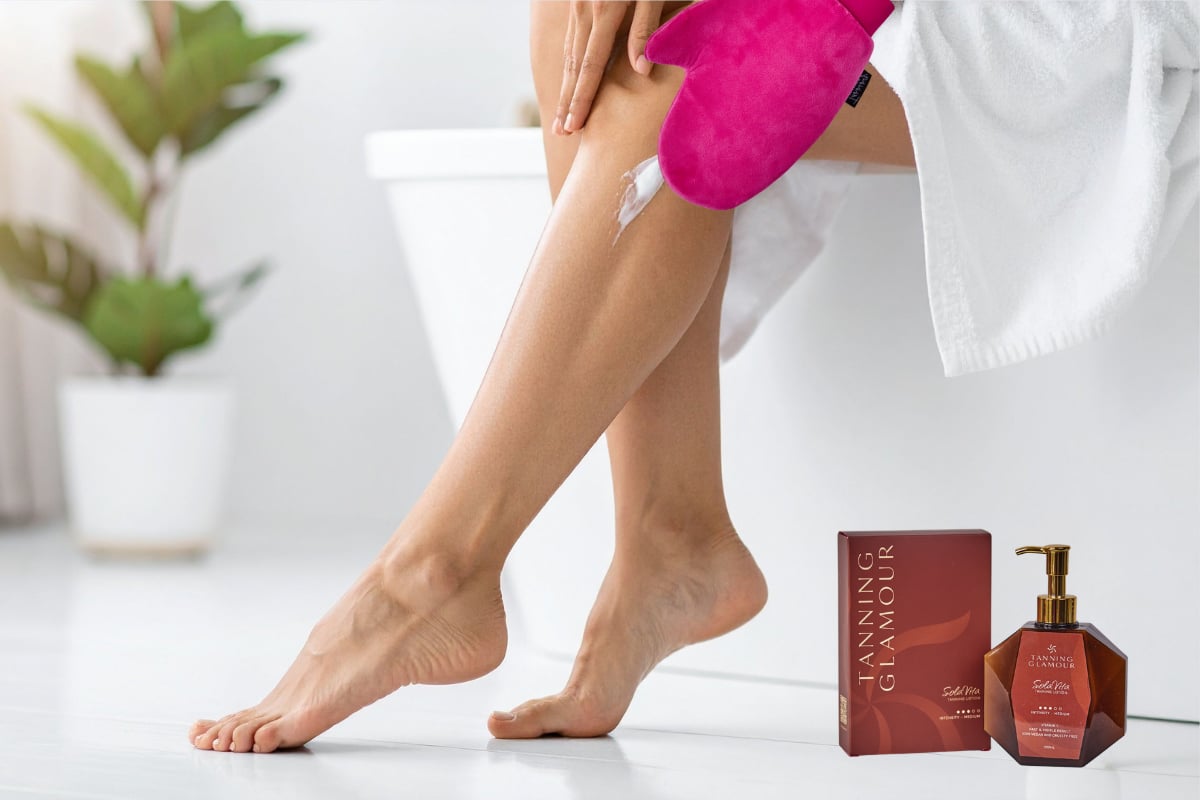
Home use requires a learning curve but offers freedom and cost-efficiency. A quality self-tanner lotion offers multiple full applications for the price of one salon visit. With practice, you can achieve professional results in your own bathroom.
The choice depends on your priorities:
- Time: Salons are faster, home use requires patience
- Cost: Home use is much cheaper in the long run
- Control: At home, you determine the intensity and timing
- Result: Both can be excellent with the right approach
- Convenience: Salons require appointments, at home you work at your own pace
For special occasions, a professional session can be valuable. For regular maintenance, home use is more practical and sustainable. Many people combine both: home for routine, salon for events.
The future of sunless tanning technology
The self-tanner industry is constantly innovating. Smart formulas adapt based on your skin type and pH level for personalized results. These products use color science principles to create the most flattering shade.
Skincare-hybrid products combine sunless tanning with anti-aging benefits. Ingredients such as peptides, antioxidants, and hyaluronic acid are now standard in premium formulas. You tan and care for your skin at the same time, saving time in your routine.
Express formulas are developing rapidly. Where traditional products needed 24 hours for full development, new versions promise complete results within 2-4 hours. This makes spontaneous decisions and last-minute events possible.
Personalized color adaptation is becoming a reality through advanced DHA variants. These react to the unique composition of your skin to automatically create the most natural shade. No orange, no gray, just your perfect glow.
Sustainability also drives innovation. Waterless formulas, refillable systems, and compostable packaging are becoming standard. Brands are investing in carbon-neutral production and ethical ingredient sourcing.
Sunless tanning for specific purposes
Different situations call for different approaches to sunless tanning. For weddings, you ideally start testing and building up 3-4 weeks in advance. Plan your final application 2-3 days before the big day for fully developed, stable color.
Holiday preparations are best started a week in advance. This gives you a base that looks natural upon arrival. Bring a small bottle for maintenance if you are away for more than a week. Remember the rules for hand luggage with liquids.
Photoshoots and video recordings require specific attention. Cameras can capture color differently than the naked eye. Discuss with the photographer which shade works best. Avoid new products just before important shoots.
Sports competitions where bikinis or short clothing are worn, such as bodybuilding or fitness, often use deeper formulas. These accentuate muscle definition and create contrast. Competition-specific tans are often darker than daily use.
For a healthy glow all year round, develop a consistent routine with light to medium intensity. Regular maintenance applications keep your tan even without dramatic fluctuations.
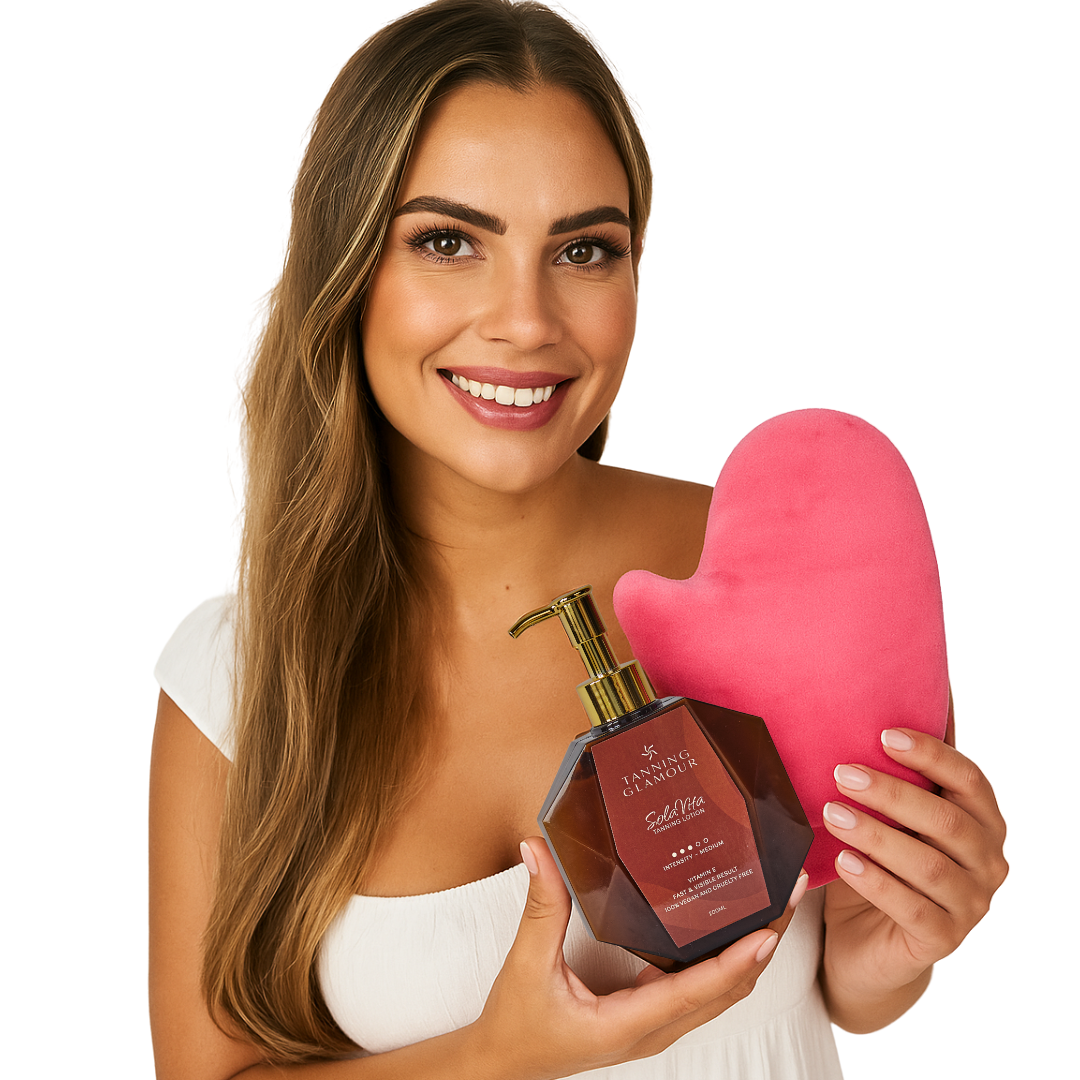
Sunless tanning offers a safe, effective way to achieve a radiant complexion without the risks of UV exposure. With the right preparation, application techniques, and aftercare, you can enjoy a natural glow that lasts for weeks. Whether you're looking for a subtle enhancement or a deep holiday tan, modern self-tanners make it all possible. Tanning Glamour helps you with natural formulas that become visible within a few hours and stay beautiful for up to a week, without streaks or orange undertones. Discover how easy a well-groomed, sun-kissed look can be.
Ontdek jouw mooiste glow
Verzorgende zelfbruiners van SolaVita - streeploos, geen oranje.
Read more
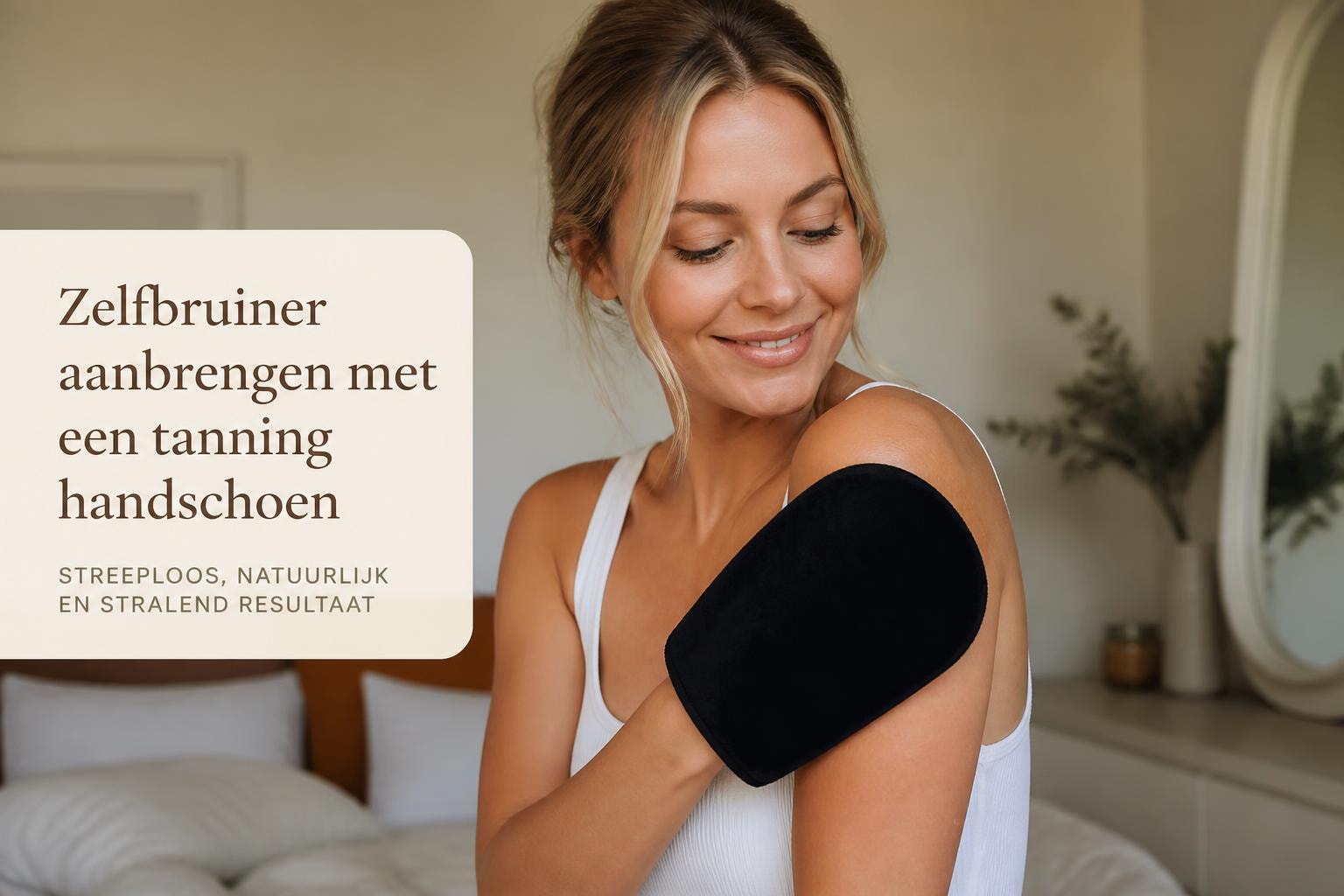
Discover everything about the self-tanning mitt: how to apply self-tanner streak-free and prevent stains on your hands. Tips for an even glow.

Tan without the sun? Discover how to achieve a radiant complexion with natural self-tanners. Safe, even, and without harmful UV radiation.