
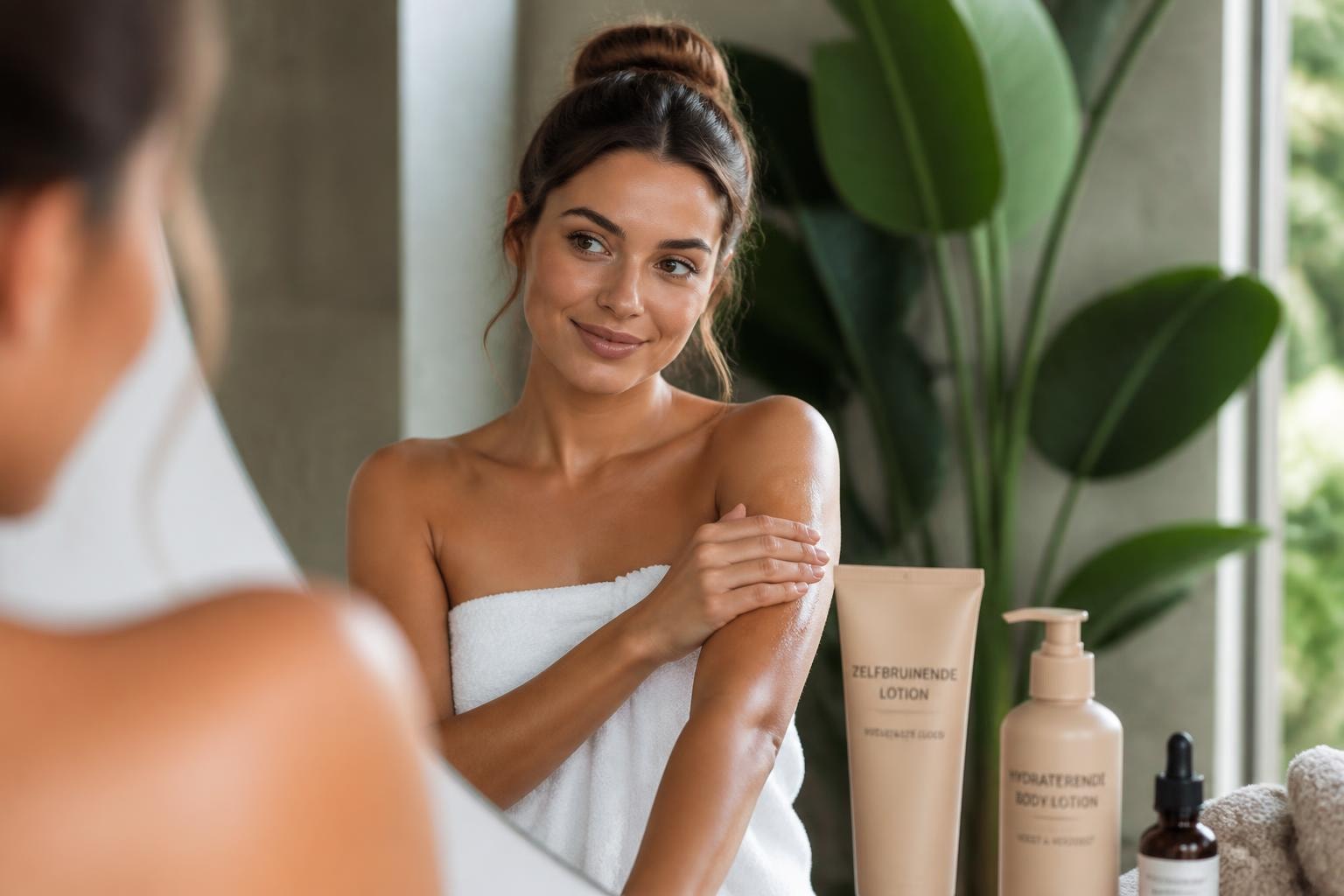
Tan Without a Sunbed: Safe and Natural Enjoyment
A radiant, sun-kissed complexion without the risks? It's possible. More and more people are choosing to tan without a sunbed and are looking for safe alternatives that protect their skin while still giving them that coveted glow. In 2026, we know more than ever about the risks of UV radiation, and fortunately, there are now fantastic options to achieve that beautiful golden tan without damaging your skin. From natural self-tanners to smart skincare tips: there's a solution for everyone that suits their skin type and lifestyle.
Why Tanning Without a Sunbed is the Healthy Choice
Sunbeds have long promised a quick tan, but the scientific consensus is clear: UV radiation, whether from the sun or an artificial source, significantly increases the risk of skin aging and skin cancer. Safe tanning without the sun means choosing methods that respect and protect your skin.
The Risks of Artificial UV Radiation
Sunbeds use UVA and UVB radiation to stimulate melanin production. However, this process damages the DNA structure of skin cells and noticeably accelerates skin aging. Regular sunbed use is associated with an increased risk of melanoma, especially when you start at a young age.
Why more and more people are quitting sunbeds:
- Increased risk of skin cancer and melanoma
- Accelerated skin aging with wrinkles and pigment spots
- Dry, damaged skin due to UV exposure
- High costs for regular sessions
- Time investment for visiting a salon
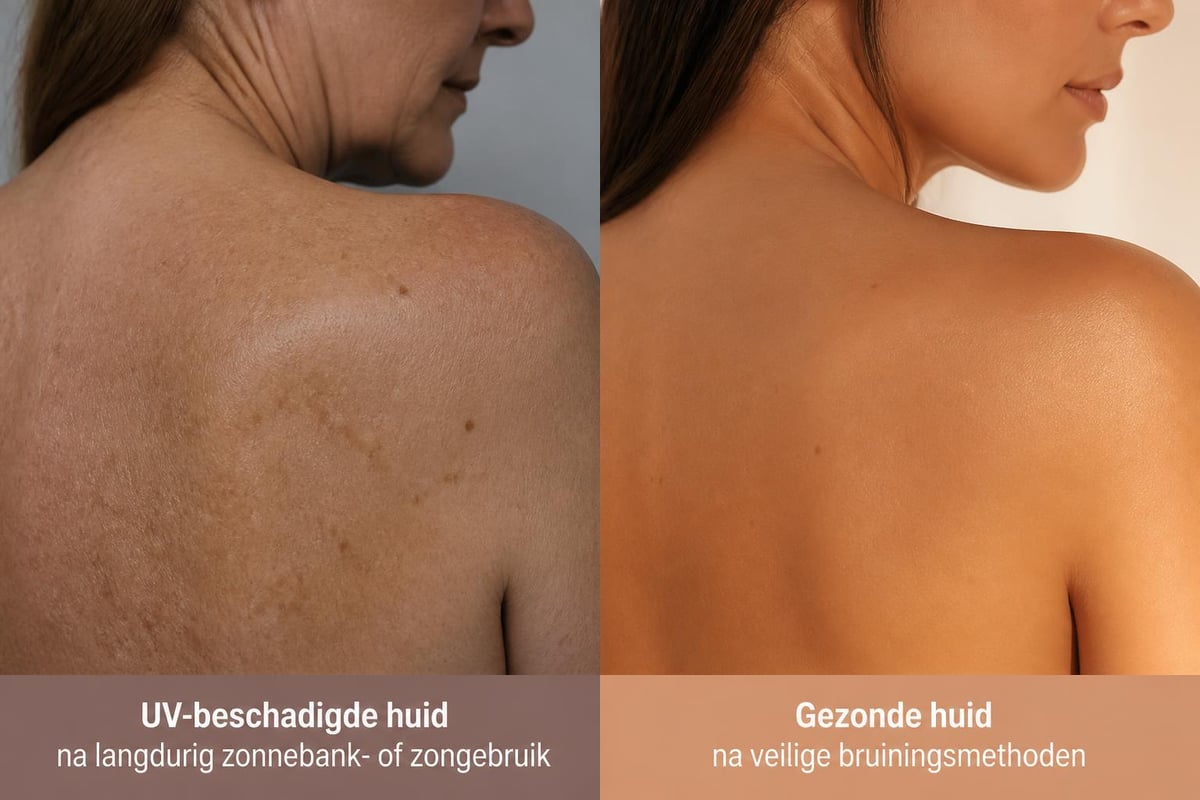
The New Awareness of Skin Health
In 2026, we are seeing a clear shift in how people view skincare. Sun protection is central, and tanning without a sunbed fits perfectly into this philosophy. The focus is no longer on 'tan at all costs', but on a well-groomed, radiant complexion that looks and feels healthy. This awareness has led to an explosive growth of high-quality self-tanners that give a natural result without the disadvantages of UV radiation.
Self-Tanners: The Basis of Tanning Without a Sunbed
Modern self-tanners have little in common with the orange, streaky products of the past. The technology has greatly improved, and quality products now give a natural, even tan that is indistinguishable from a real vacation tan. The secret lies in the active ingredient DHA (dihydroxyacetone), a sugar derivative that reacts with amino acids in the top layer of the skin.
How Does DHA Actually Work?
DHA undergoes a chemical reaction with the proteins in the dead skin cells of your stratum corneum, resulting in a brown color that develops slowly. This process, called the Maillard reaction, is completely superficial and does not damage your skin. Dr. Jetske Ultee explains that DHA only colors the outer layer of your skin and is completely safe to use.
| Aspect | Sunbed | Self-Tanner |
|---|---|---|
| Mechanism of action | UV radiation stimulates melanin | DHA reacts with skin proteins |
| Duration of effect | Fades after a few days | 5-7 days with proper care |
| Skin damage | Yes, DNA damage and aging | No, only superficial coloring |
| Visible result | After multiple sessions | Within 2-3 hours |
| Long-term costs | High (subscriptions) | Affordable (home use) |
Different Types of Self-Tanners
The market offers various formulas, each with its own advantages. Lotions are ideal for the whole body and provide even distribution. Mousses absorb quickly and are perfect for those in a hurry. Drops offer maximum flexibility: you can mix them with your daily moisturizer and determine the intensity yourself. Sprays are handy for hard-to-reach places, although they require a bit more practice for a streak-free result.
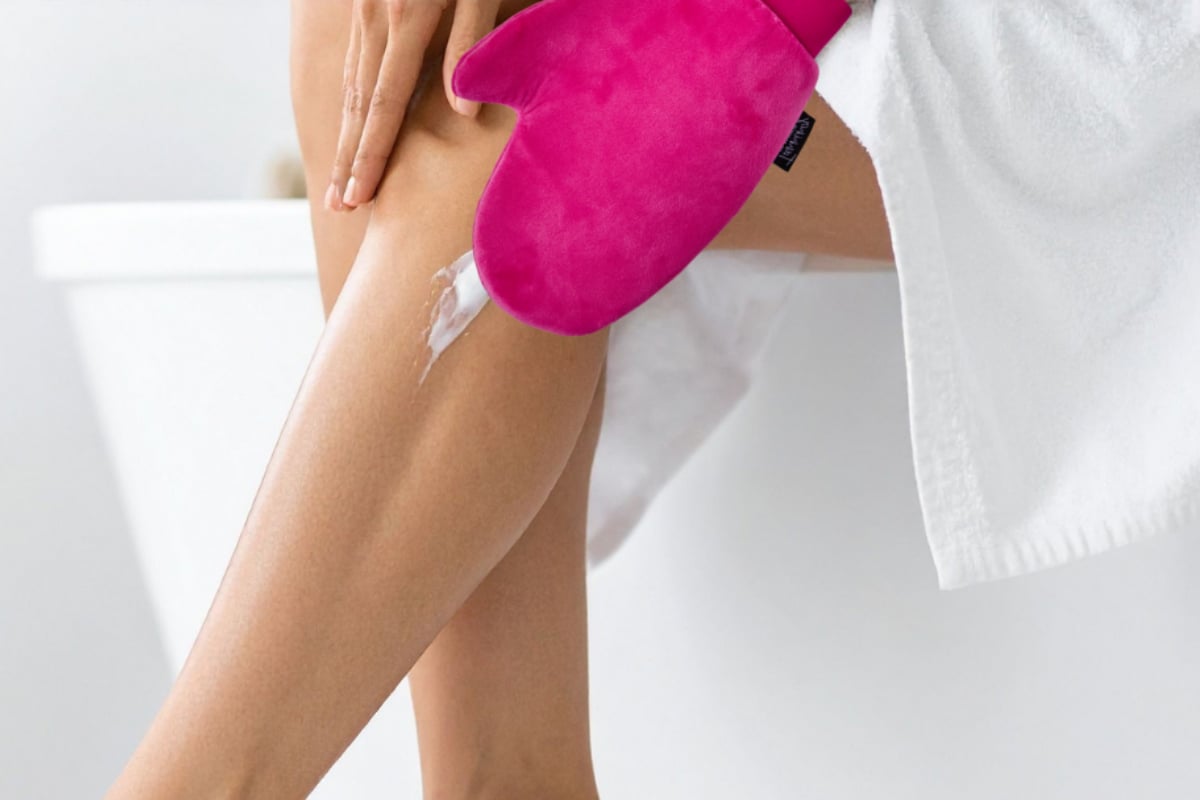
For those who want to perfect tanning without a sunbed, there are also specialized tools. A self-tanner mitt ensures that the product is evenly distributed without staining your hands, and specially designed back applicators make it possible to treat your back independently.
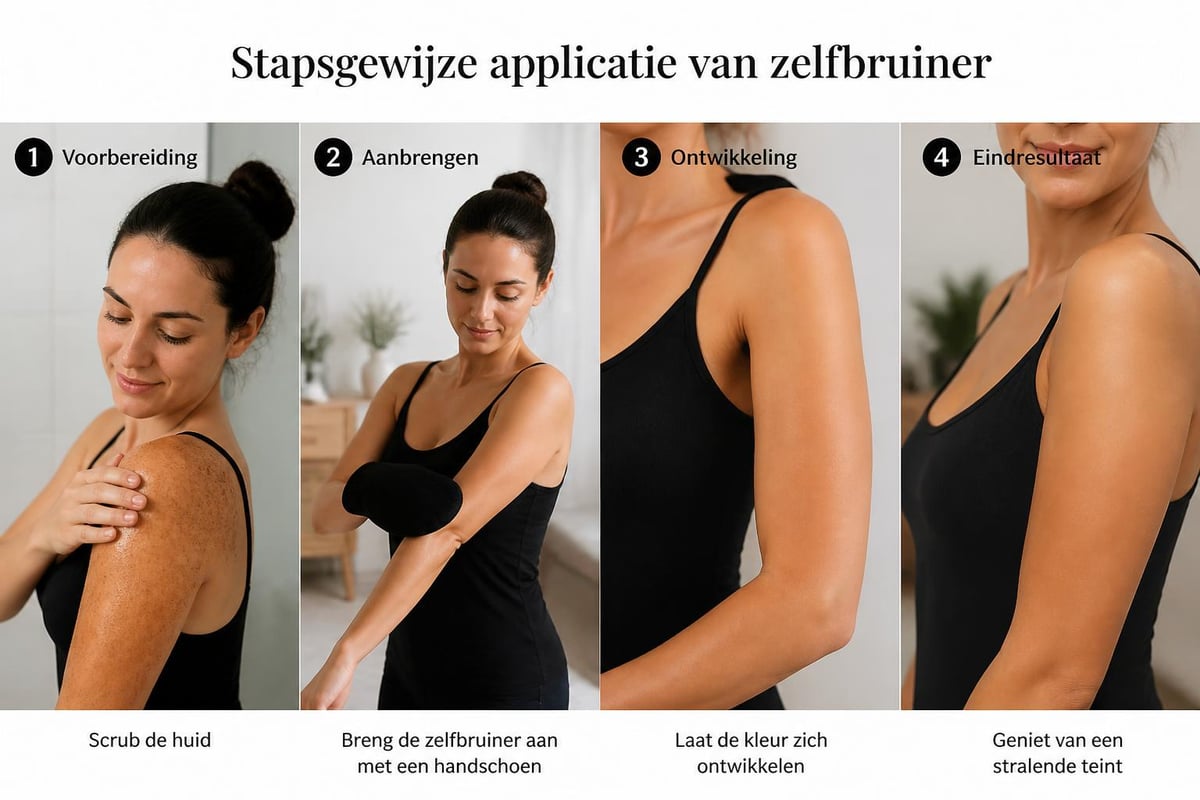
The Perfect Preparation for an Even Tan
The secret to successful tanning without a sunbed begins even before you apply the self-tanner. Good preparation makes the difference between a professional result and disappointing spots or streaks.
Exfoliation: The Crucial First Step
Why scrubbing is so important:
- Removes dead skin cells that can color unevenly
- Creates a smooth surface for even distribution
- Prevents dark spots on rough areas like knees and elbows
- Extends the life of your artificial tan
Use a gentle body scrub 24 hours before application and pay extra attention to rough areas. Focus on elbows, knees, ankles, and hands. Grazia emphasizes that scrubbing is an essential foundation for a long-lasting beautiful result.
Hydrate Without Excessive Oiliness
Well-hydrated skin absorbs self-tanner better and gives a more natural result. Use a light, fast-absorbing moisturizer after scrubbing, but wait until your skin is completely dry before applying the self-tanner. Note: avoid oil-rich products just before application, as these can form a barrier that disrupts the DHA reaction.
Apply a little extra moisturizer to dry areas such as eyebrows, hairline, and cuticles. These areas often absorb too much product and can therefore become too dark.
Application Techniques for a Professional Result
The way you apply your self-tanner largely determines how natural the end result looks. With the right technique, you can tan without a sunbed just as beautifully as a real vacation tan.
Body: From Head to Toe
Always start at your ankles and work your way up. This prevents you from walking or leaning on a newly treated area. Apply the product in circular motions and blend carefully at transitions. Use less product on knees, elbows, and feet, as these areas tend to get too dark.
Step-by-step plan for the body:
- Start at your ankles and work systematically upwards
- Use broad, circular motions for even distribution
- Blend extra carefully at wrists, ankles, and neck
- Use minimal product on hands and feet
- Allow to dry completely before dressing (10-15 minutes)
For your back, you can ask someone for help, or invest in a special applicator that you can use independently. Many people find this the trickiest area when tanning without a sunbed, but with the right tools, it's problem-free.
Face: Subtle Artistry
Your face deserves extra attention because it is constantly visible and the skin can be more sensitive. Mix your self-tanner with your day cream for a more subtle shade that builds gradually. This gives you more control and prevents too dramatic a contrast with your neck.
Apply with upward strokes and don't forget your ears, neck, and décolletage. These areas should blend seamlessly into your face color. Wash your hands thoroughly after application and use a damp cloth to clean your eyebrows and hairline.
Maintenance and Extending Your Artificial Tan
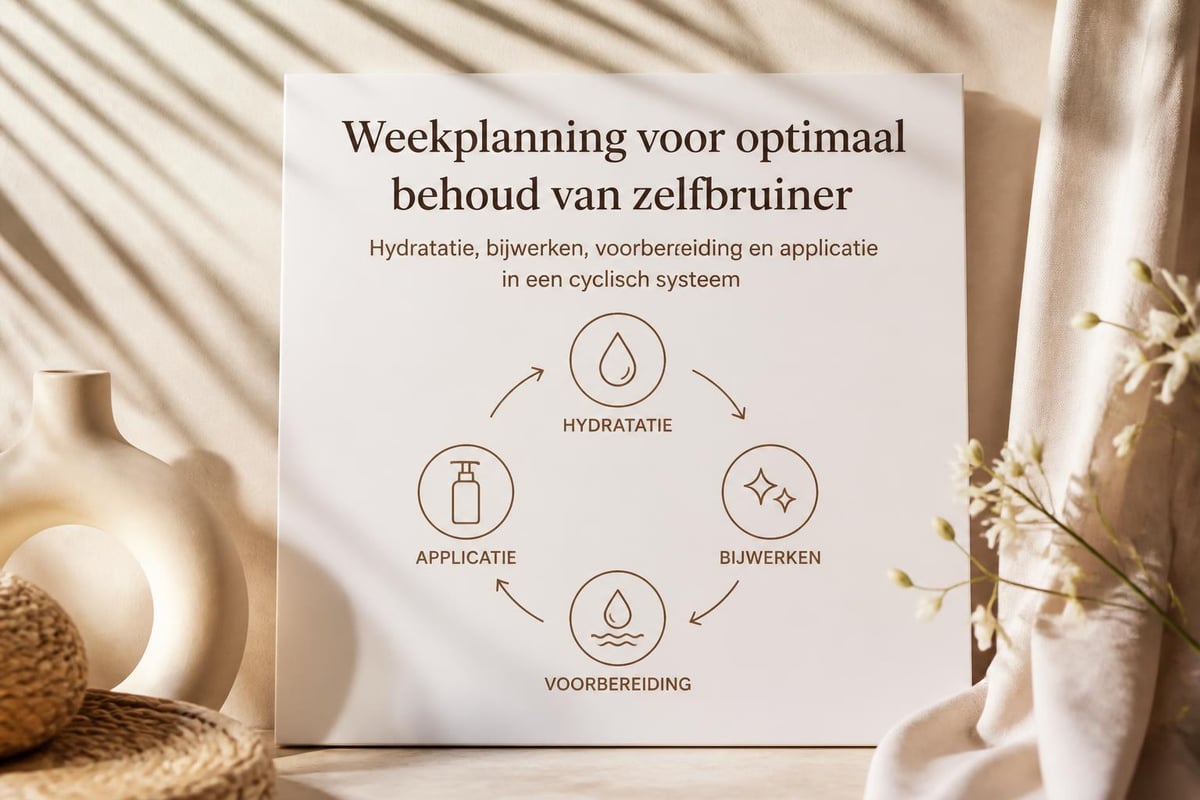
A beautiful self-tanner color can last 5-7 days with proper care. Understanding how to maintain your tan is an essential part of successful tanning without a sunbed.
Daily Skincare Routine
Hydration is the key to a long-lasting tan. Use a nourishing body lotion daily to keep your skin supple and slow down the shedding of skin cells. Preferably choose formulas without AHAs or other exfoliating ingredients, as these accelerate the fading of your tan.
| Care Step | Recommended Frequency | Effect on Tan |
|---|---|---|
| Moisturizing lotion | Daily (morning and evening) | Extends tan by 2-3 days |
| Gentle scrub | Maximum once a week | Prevents uneven fading |
| Touch-up self-tanner | Every 3-4 days | Maintains even color |
| Dry brush | Not during tanning | Accelerates fading |
When and How to Touch Up
Instead of waiting until your tan has completely faded, it's better to touch up regularly with a lighter layer. This prevents streaky transitions and keeps your tan consistently even. Some people choose to use drops for maintenance, as this allows you to precisely dose the intensity.
Do you want to touch up specific areas that fade faster, such as your hands? Dilute your product with moisturizer and use very little. These areas need less than your body to visibly color.
Avoiding Common Mistakes
Even experienced users sometimes make mistakes when tanning without a sunbed. Recognizing and avoiding these pitfalls helps you achieve consistently beautiful results.
Streaky Results and Dark Spots
Streaks usually occur due to uneven distribution or too much product in one place. The solution? Always work with an application mitt, and blend carefully. If you do notice streaks appearing during application, you can correct them immediately with a damp cloth.
Dark spots on knees, elbows, or ankles are the result of too much product on dry areas. Apply minimal product to these areas and blend extra well. A drop of moisturizer over these areas immediately after application can help soften the color.
Troubleshooting common issues:
- Orange undertone: Choose products with a more olive-green base and use less product
- Too dark result: Always start with a lighter shade and build up gradually
- Patchy fading: Exfoliate gently and apply a fresh layer
- Discoloration on palms: Wash thoroughly with soap immediately after application
- Streaky décolletage: Use a lighter mix and blend towards your neck
Timing and Patience
A common mistake is dressing too quickly after application. Give your skin at least 10-15 minutes to dry before putting on clothes. Preferably wear dark, loose clothing to prevent transfer stains. For those planning to tan without a sunbed for a special event: do this at least 24 hours in advance, so you have time to make any corrections.
Alternatives and Supplementary Methods
In addition to traditional self-tanners, there are other ways to boost your complexion without a sunbed. These methods can be used alone or in combination for optimal results.
Gradual Tanners and Tinted Moisturizers
For those who don't want to jump directly from a very light to a brown complexion, gradual tanners are ideal. These products contain a low concentration of DHA and gradually build color over several days. The advantage is that you can better control the process and mistakes are less noticeable. Medibib discusses different types of self-tanners and their applications for different skin types.
Tinted moisturizers give a subtle glow without real tanning and are perfect for a fresh look. They wash off with the next shower, so your commitment is low. Ideal for those who want to experiment or only want a little color for a special event.
Bronzing Powders and Makeup
For temporary solutions, you can use bronzing powders on your face, décolletage, and legs. These immediately give a sun-kissed effect that you can easily wash off in the evening. It is not a substitute for tanning without a sunbed, but it is a nice addition for specific occasions.
Body makeup and illuminators can be strategically applied to collarbones, shins, and shoulders for extra dimension. These products reflect light and give your skin a healthy glow that perfectly combines with your self-tanner color.
Seasonal Tips for Year-Round Results
Tanning without a sunbed is a year-round possibility, but each season has its own challenges and opportunities for optimal results.
Winter: Maintaining Your Glow
In the winter months, your natural complexion becomes lighter, which can make your self-tanner color look artificial if you go too dark. During this period, choose lighter tints or use gradual tanners. Extra hydration is crucial because heating dries out your skin, leading to faster fading.
The dry winter air requires more intensive care. Increase the frequency of your body lotion use and consider a richer formula for the night. This protects your investment in your artificial tan and keeps your skin healthy.
Spring and Summer: Natural Boost
In the warmer months, you can combine tanning without a sunbed with responsible sun exposure. Note: self-tanner does not offer UV protection. Garnier points out that you should always use SPF, regardless of your artificial tan.
A light natural tan forms a beautiful base for your self-tanner, allowing you to achieve a more natural result with less product. Start with a lower DHA concentration and gradually build up as your base tan develops.
Seasonal adjustments:
- Spring: Start with light tints and build up towards summer
- Summer: Combine with SPF and choose natural tints
- Autumn: Maintain your summer color with regular applications
- Winter: Switch to more subtle, warmer tones
Investing in Quality and Tools
The market for products to tan without a sunbed is huge, but quality varies considerably. Investing in high-quality products and the right application tools makes a noticeable difference in your results.
What Makes a Self-Tanner High-Quality?
Quality products contain optimized DHA concentrations that give a natural color without orange undertones. They often also contain nourishing ingredients such as hyaluronic acid, vitamin E, or aloe vera that hydrate your skin during the coloring process. The scent is another distinguishing aspect: high-quality formulas mask the typical DHA scent with pleasant fragrances.
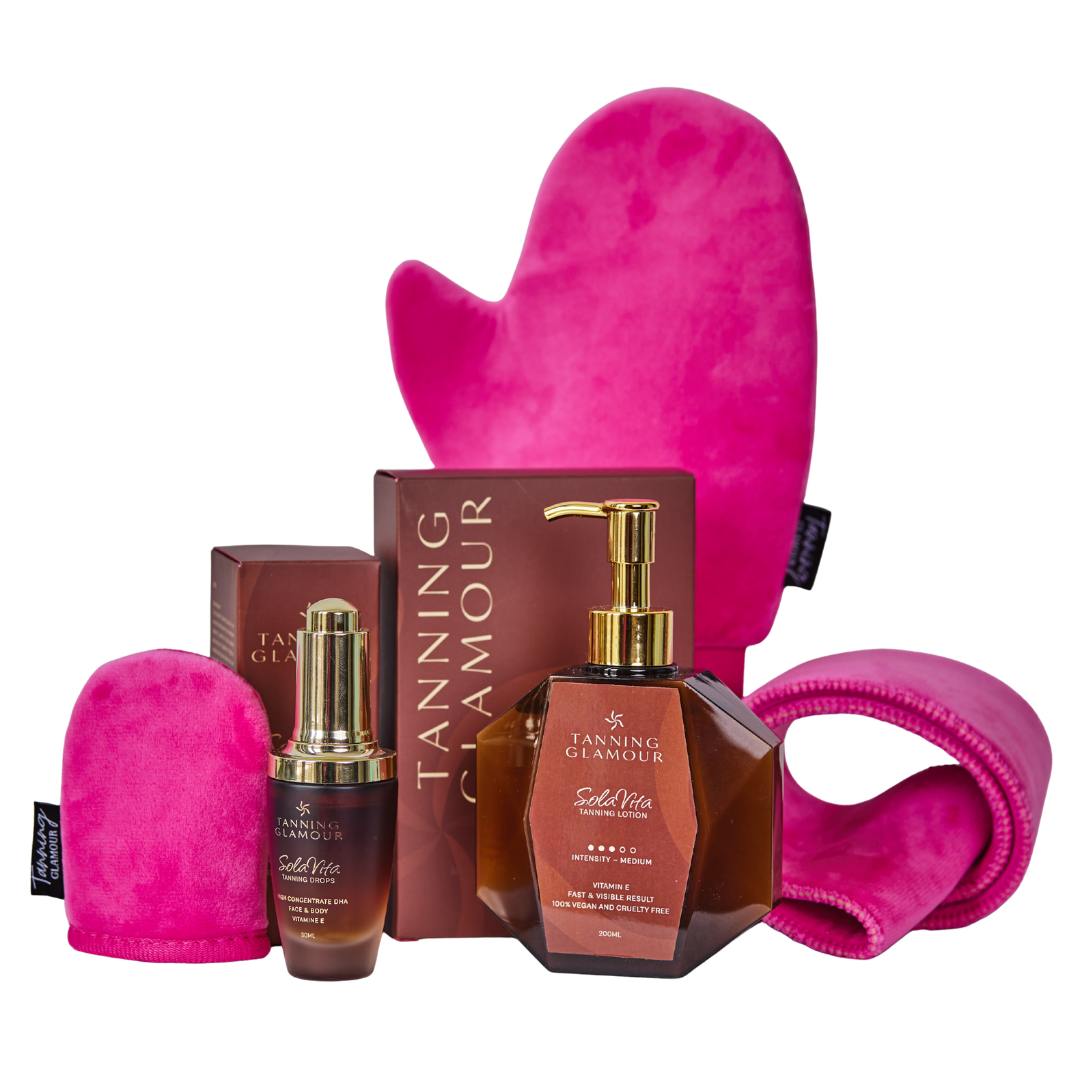
For an even and professional result, the right tools are essential. A soft velvet application mitt distributes the product evenly and prevents staining of your hands. With this, you can create a flawless, natural finish every time that gives you confidence.
Drops: Maximum Flexibility
Tanning drops are a game-changer for anyone who wants to fully personalize tanning without a sunbed. You mix them with your favorite moisturizer, serum, or body lotion and determine the intensity yourself by adjusting the number of drops. This gives you total control over the end result and makes it easy to treat different areas of your body with different intensities.
The advantage of drops is that you can experiment without committing to a full self-tanner formula. Start with a few drops and gradually increase until you find the perfect shade for your skin type.
Skin Type and Personalization
Not every skin reacts the same to self-tanners. Understanding your skin type helps you choose the right products and techniques for optimal tanning without a sunbed.
Light Skin: Gradual Building
For very light skin types, gradual building is crucial. Start with light formulas or gradual tanners and give your skin time to adjust. A subtle, natural tan that is one to two shades darker than your own skin tone gives the most beautiful result without looking artificial.
Always test new products on a small patch of skin first, for example, the inside of your wrist. This gives you insight into how the color develops and whether the shade suits you before you treat your entire body.
Medium to dark skin: intensity and evening out
For people with a medium or dark complexion, sunless tanning can help to even out skin tone and add a healthy glow. Choose medium to dark formulas that complement rather than completely change. Focus on creating an even, radiant complexion rather than dramatic color change.
Darker skin types can also benefit from illuminating self-tanners that add a subtle sheen. These products often contain light-reflecting particles that accentuate the natural beauty of your skin.
Combining with skincare
Successful sunless tanning goes hand in hand with good skincare. The condition of your skin directly affects how beautiful and long-lasting your self-tanner result will be.
Ingredients that help and hinder
Some skincare ingredients work fantastically with self-tanners, while others can disrupt the result. Hyaluronic acid, glycerin, and ceramides hydrate without interfering with the DHA reaction and are ideal partners. They even enhance the even distribution and longevity of your tan.
Avoid products with strong exfoliating ingredients such as AHAs, BHAs, or retinol immediately before and after applying self-tanner. These ingredients accelerate cell turnover and cause your tan to fade faster. Plan your exfoliating treatments strategically: at least 24 hours before application and only a week later.
Sun protection remains essential
A common misconception is that an artificial tan provides some protection against the sun. This is absolutely not the case. Man-man emphasizes that SPF remains indispensable, regardless of your self-tanner color. The DHA reaction only occurs in the outermost dead skin layer and offers no UV protection whatsoever.
Integrate SPF into your daily routine, even in winter. Modern formulas are light and absorb quickly without a white cast. For optimal protection, use at least SPF 30 and reapply regularly during prolonged exposure.
Frequently asked questions about sunless tanning
How long does it take for self-tanner to work?
Most modern self-tanners begin to become visible within 2-3 hours, with full color development after 6-8 hours. Some formulas with fast-acting technology show results within one hour. So plan your application strategically: applying in the evening gives you a fully developed tan in the morning.
Can I shower after application?
Wait at least 4-6 hours (ideally 8 hours) before showering. The DHA reaction needs time to fully develop. Too early a shower can disrupt color development and lead to a lighter or uneven result. The first showers after application should be lukewarm, as hot water can cause the tan to fade faster.
Is sunless tanning safe during pregnancy?
Topical self-tanners are generally considered safe during pregnancy because DHA only affects the outer layer of the skin and is not absorbed into the bloodstream. Always consult your doctor for personal advice, especially with spray products where inhalation is possible.
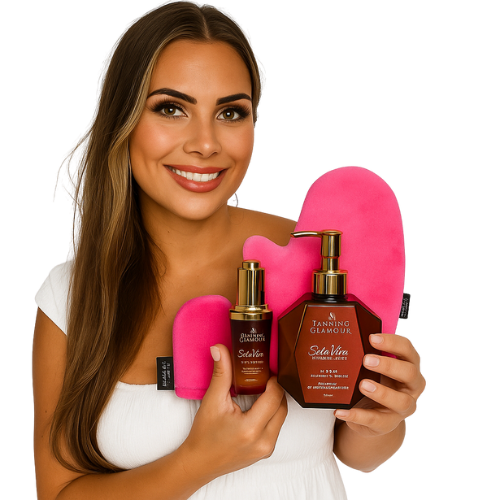
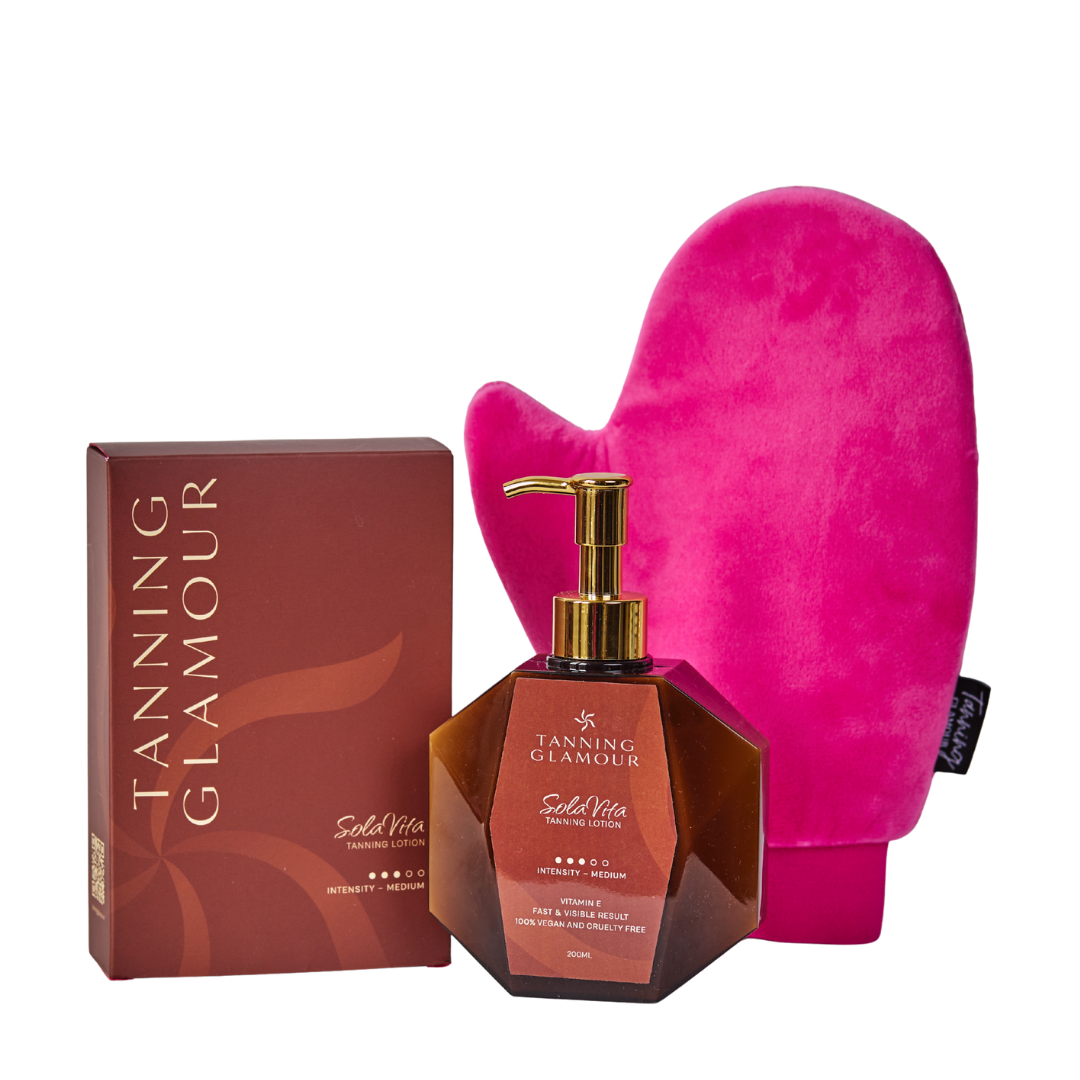
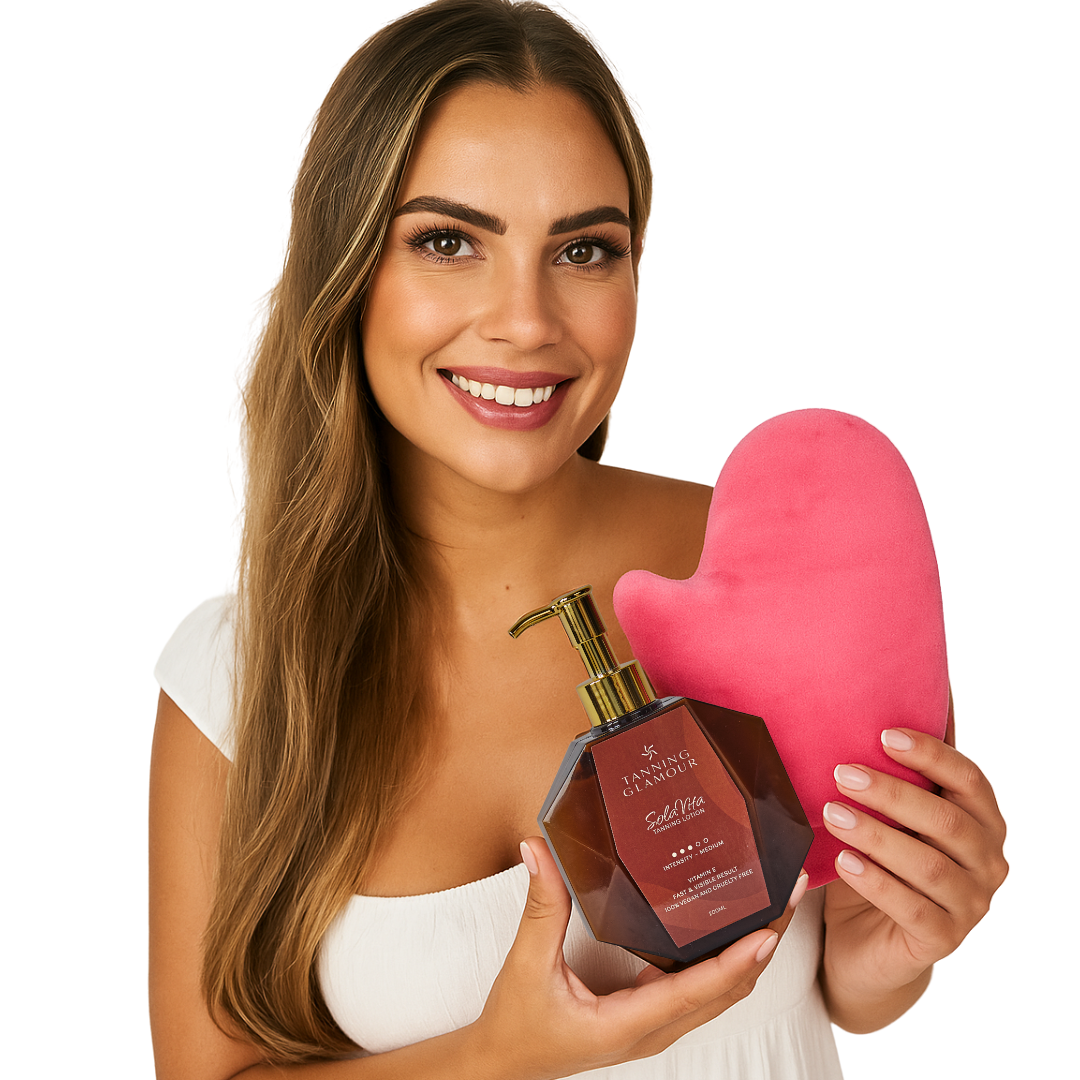
Sunless tanning offers you the opportunity to enjoy a natural, radiant tan year-round without exposing your skin to harmful UV radiation. With the right products, techniques, and care, you can achieve professional results in the privacy of your own home. Tanning Glamour guides you with natural self-tanners that provide an even, long-lasting tan within a few hours that stays beautiful for 5-7 days, so you can radiate with confidence every day.
Ontdek jouw mooiste glow
Verzorgende zelfbruiners van SolaVita - streeploos, geen oranje.
Read more
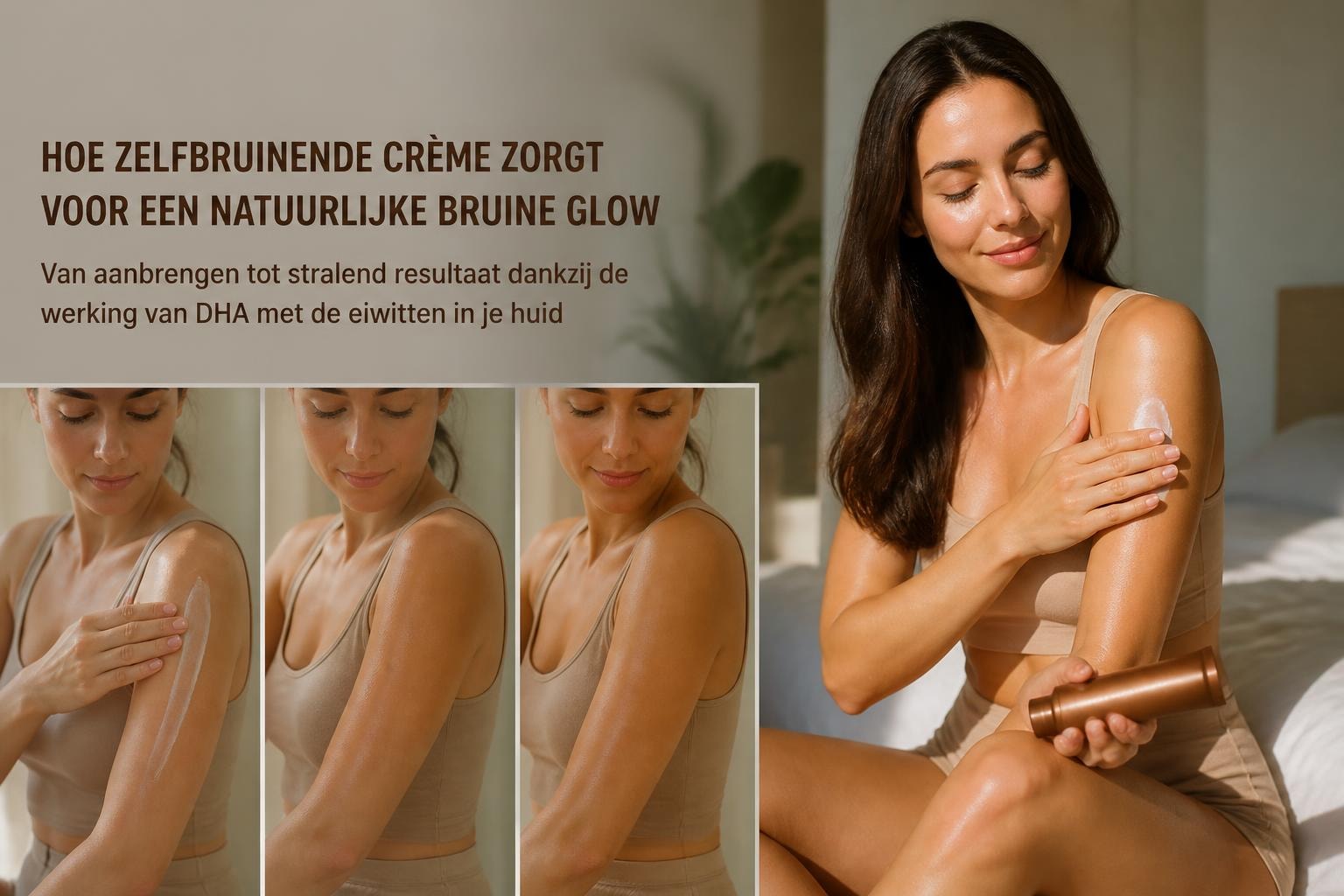
Discover how self-tanning lotion works and how to create an even, natural tan. Tips for the best streak-free results.
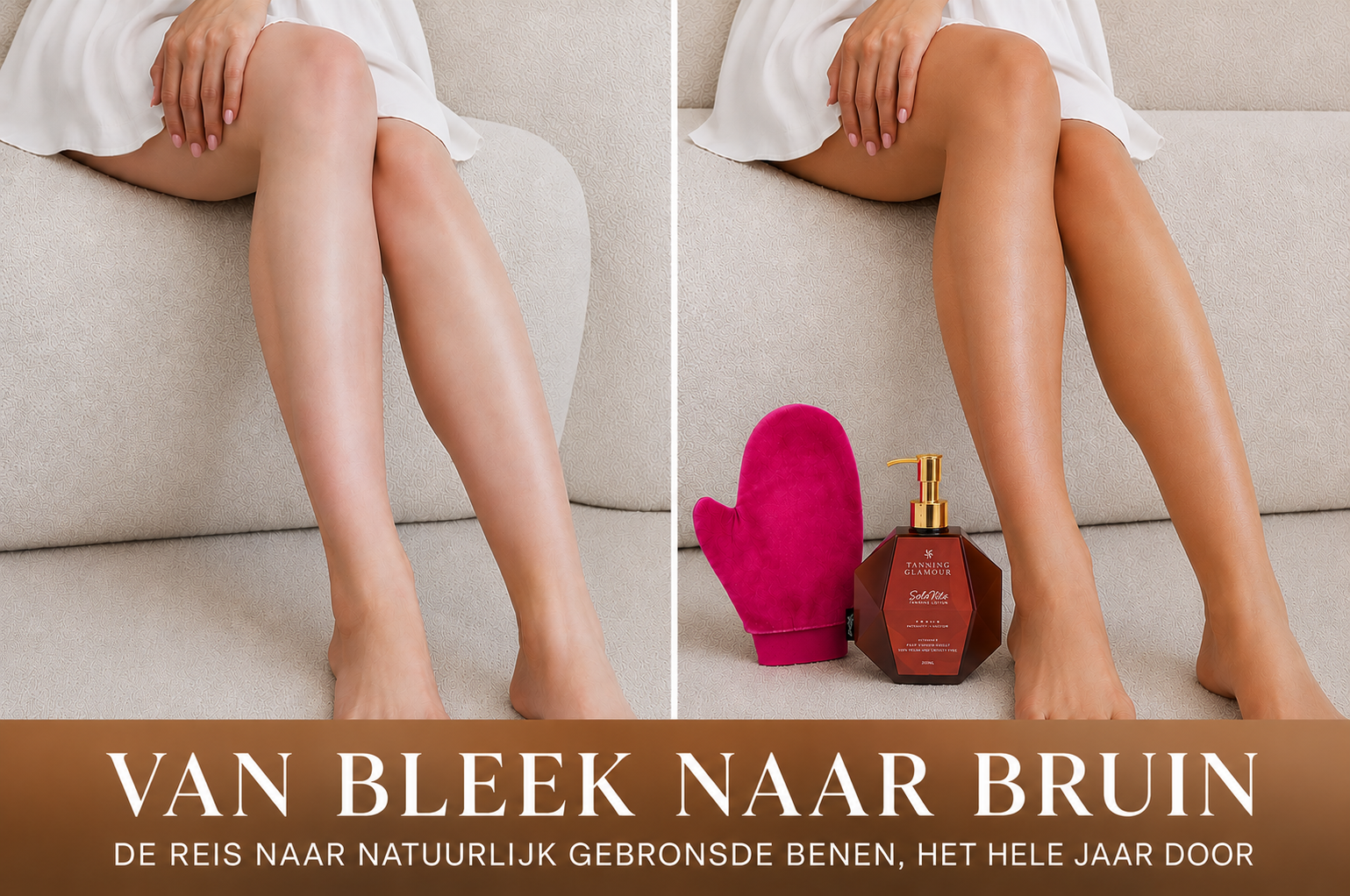
Discover how to get year-round tanned legs with self-tanners. Tips for an even, natural-looking tan without streaks and orange undertones.