How healthy is self-tanner? Everything about safety and ingredients
A radiant, natural complexion without spending hours in the sun sounds ideal. Self-tanner provides that beautiful glow without the harmful UV radiation from the sun or tanning beds. Yet many people wonder: how healthy is self-tanner actually? In this article, we dive into the ingredients, the mechanism, and the safety of self-tanners, so you can enjoy your sun-kissed complexion with peace of mind.
What is in self-tanner and how does it work?
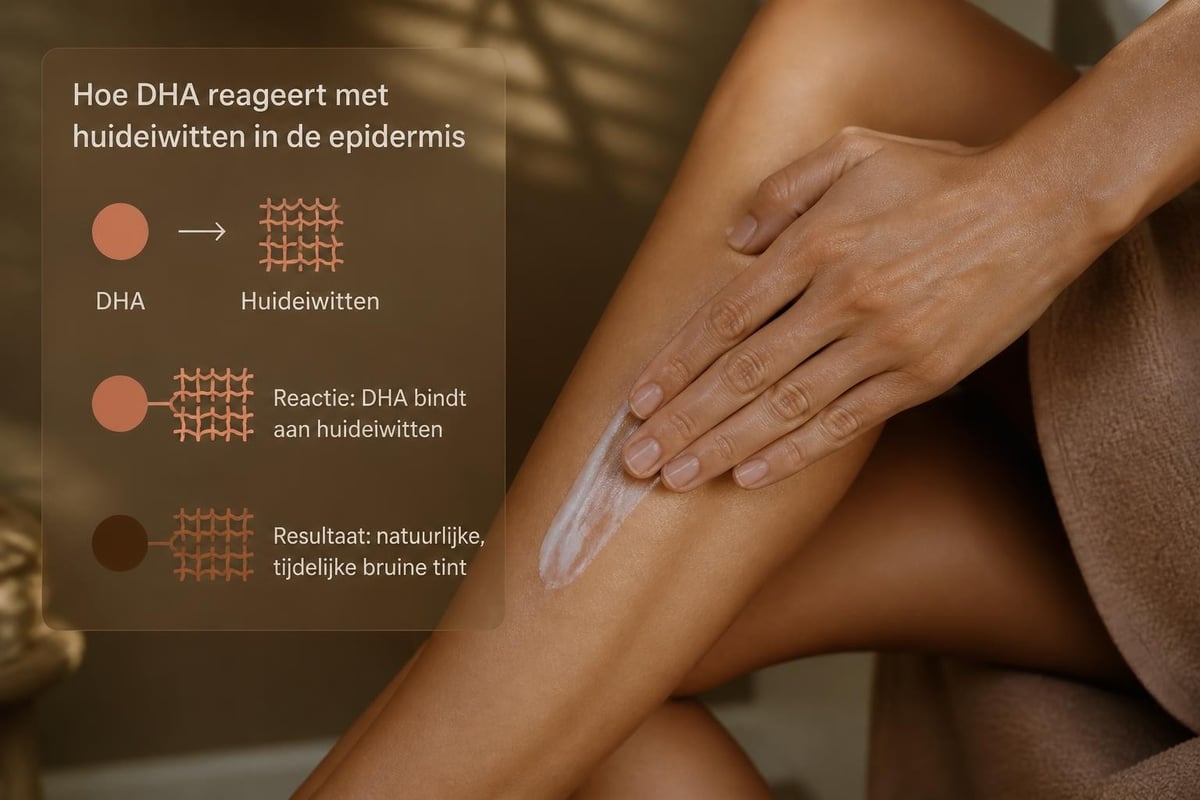
Most self-tanners contain the active ingredient dihydroxyacetone, better known as DHA. This natural substance reacts with the amino acids in the top layer of your skin, creating a temporary brown discoloration. This process is called the Maillard reaction and is similar to the browning of food when heated.
Important properties of DHA:
- Naturally derived from sugars (often beet sugar or cane sugar)
- Reacts only with the epidermis (stratum corneum)
- Creates a temporary discoloration that lasts 5-7 days
- Provides no protection against UV radiation
DHA has been the safest and most effective alternative to tanning beds and intensive sun exposure for decades. The Scientific Committee on Consumer Safety of the European Commission has conducted extensive research on the safety of DHA in cosmetic products.
The role of other ingredients
In addition to DHA, high-quality self-tanners often contain skincare ingredients that moisturize and protect your skin. Think of aloe vera, glycerin, vitamin E, and natural oils. These ingredients ensure that your skin remains supple and the tanning result becomes more even.
At Tanning Glamour, you will find products that are not only effective but also skin-friendly, with natural formulas that care for your skin while tanning it.
Scientific safety: how healthy is self-tanner?
The question "how healthy is self-tanner" comes up quite often. Fortunately, extensive scientific research has been conducted on the safety of DHA-based self-tanners.
| Aspect | Findings | Sources |
|---|---|---|
| Topical application | Safe for cosmetic use at concentrations up to 14% | EU SCCS, 2021 |
| Skin penetration | DHA does not penetrate into living skin layers | Dermatological research |
| Allergic reactions | Very rare, usually due to other ingredients | Clinical studies |
| Long-term effects | No evidence of harmful effects | Multi-year observational studies |
The RIVM recently confirmed that cosmetic products with DHA, provided they are correctly formulated, are safe for regular use. The Consumentenbond also indicates that self-tanners are a safe alternative to sunbathing, as long as you follow the product instructions.
Inhalation: what should you pay attention to?
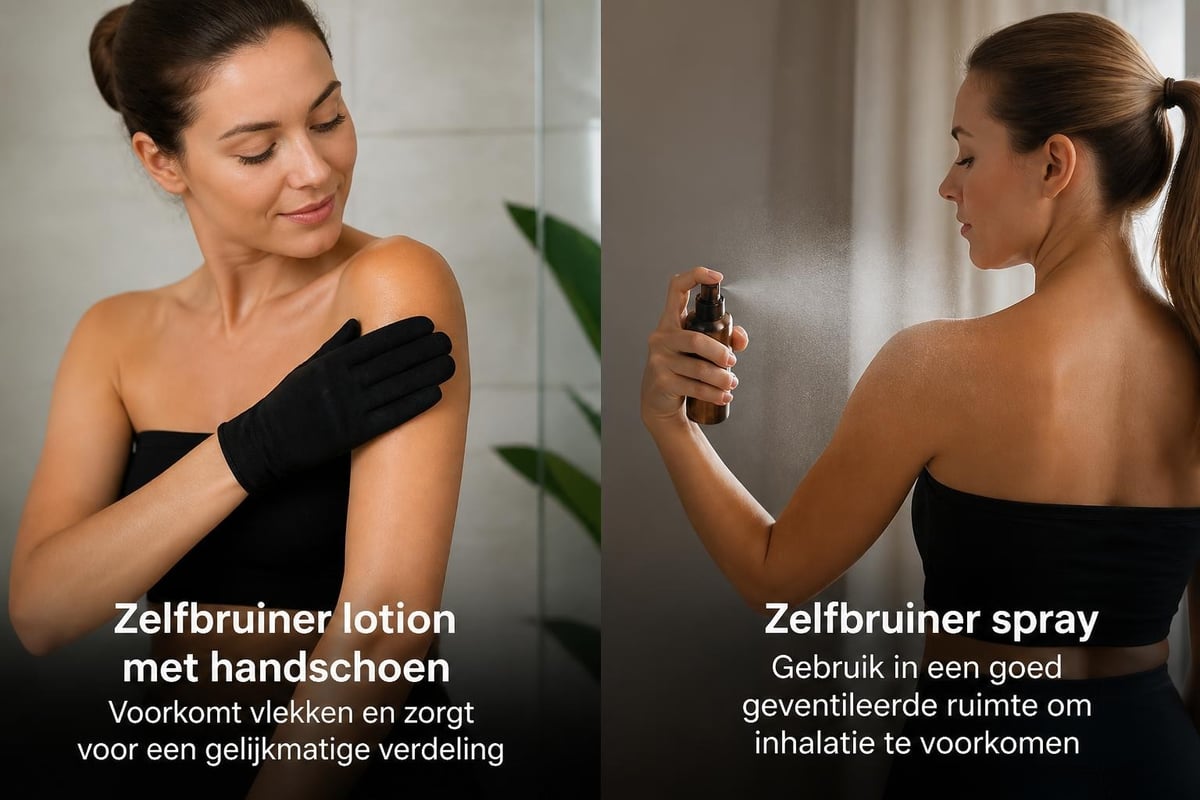
An important point of attention with self-tanner is inhalation, especially with spray applications. DHA is safe for topical application, but inhaling fine mist particles should be avoided. Medical experts warn that protective measures are necessary for spray tans in salons.
For home use:
- Choose lotion or drops instead of spray
- Use application tools such as gloves
- Apply in a well-ventilated room
- Avoid inhalation during application
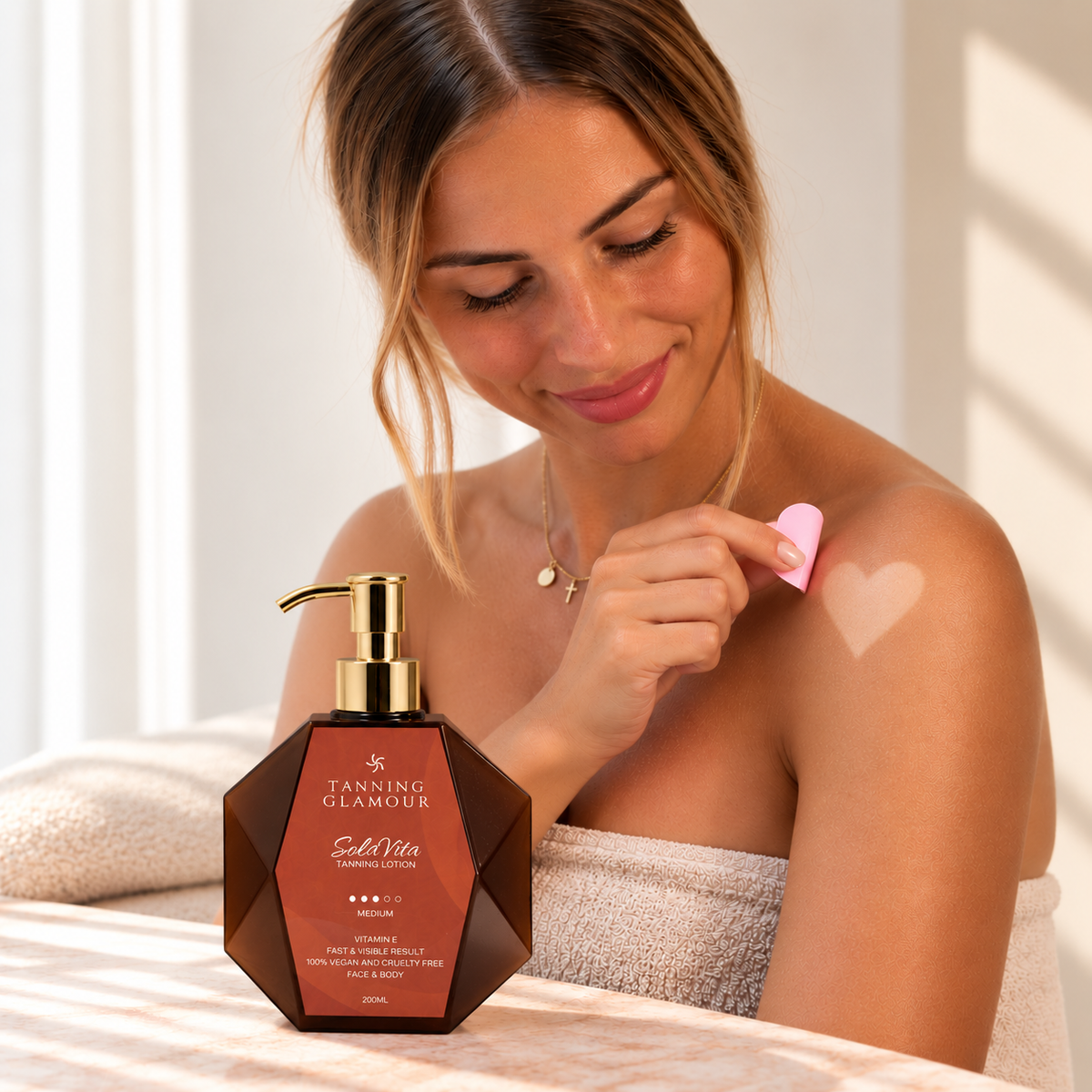
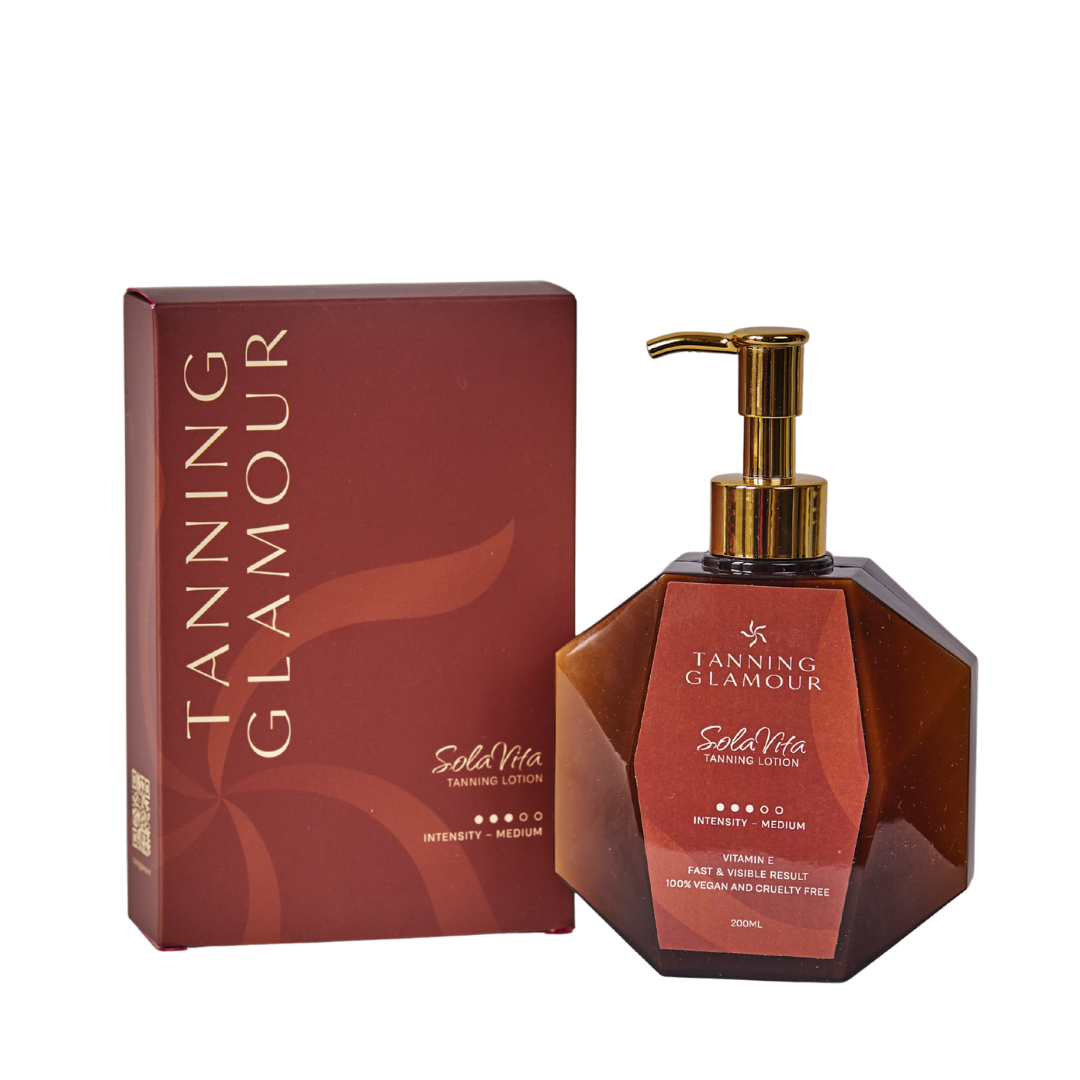
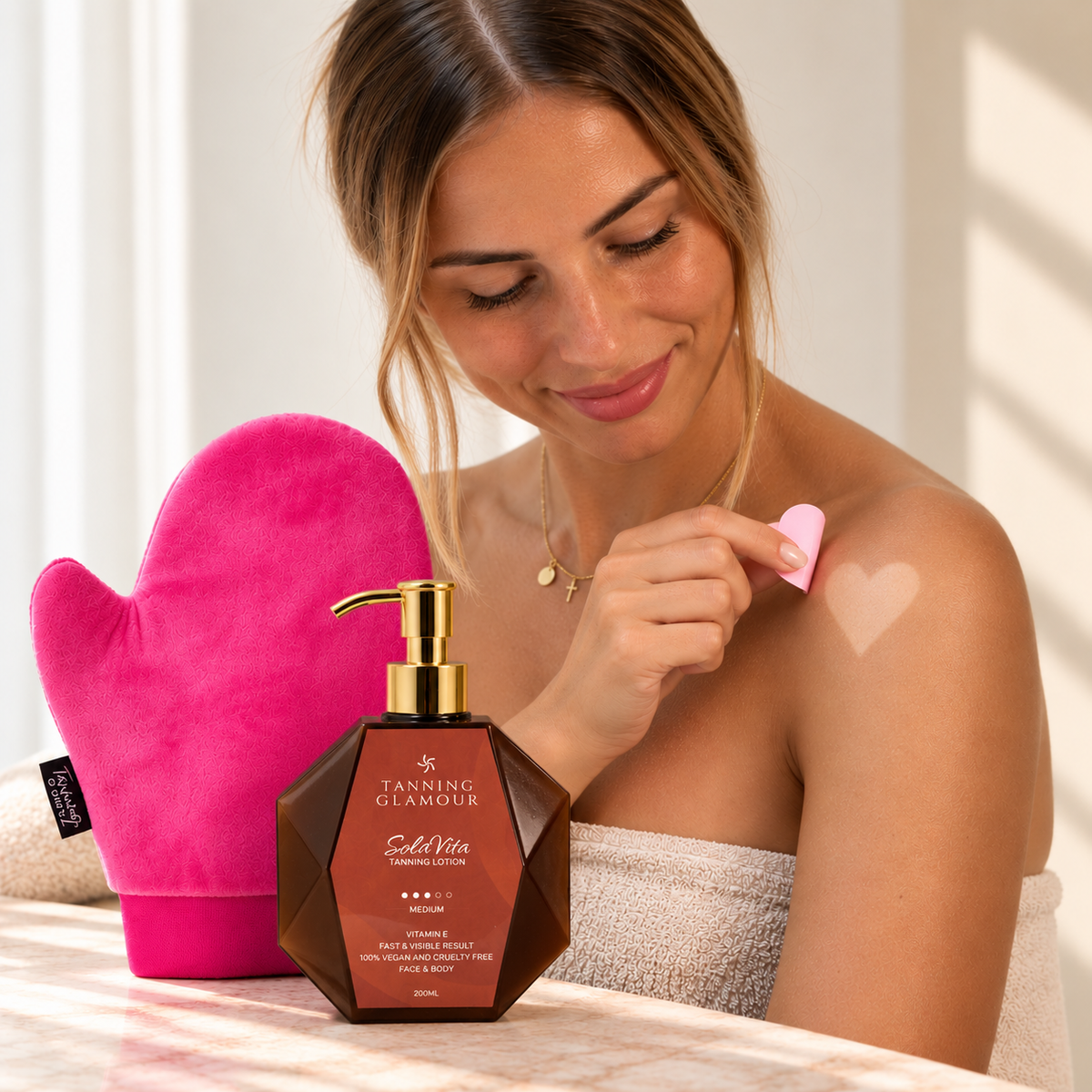
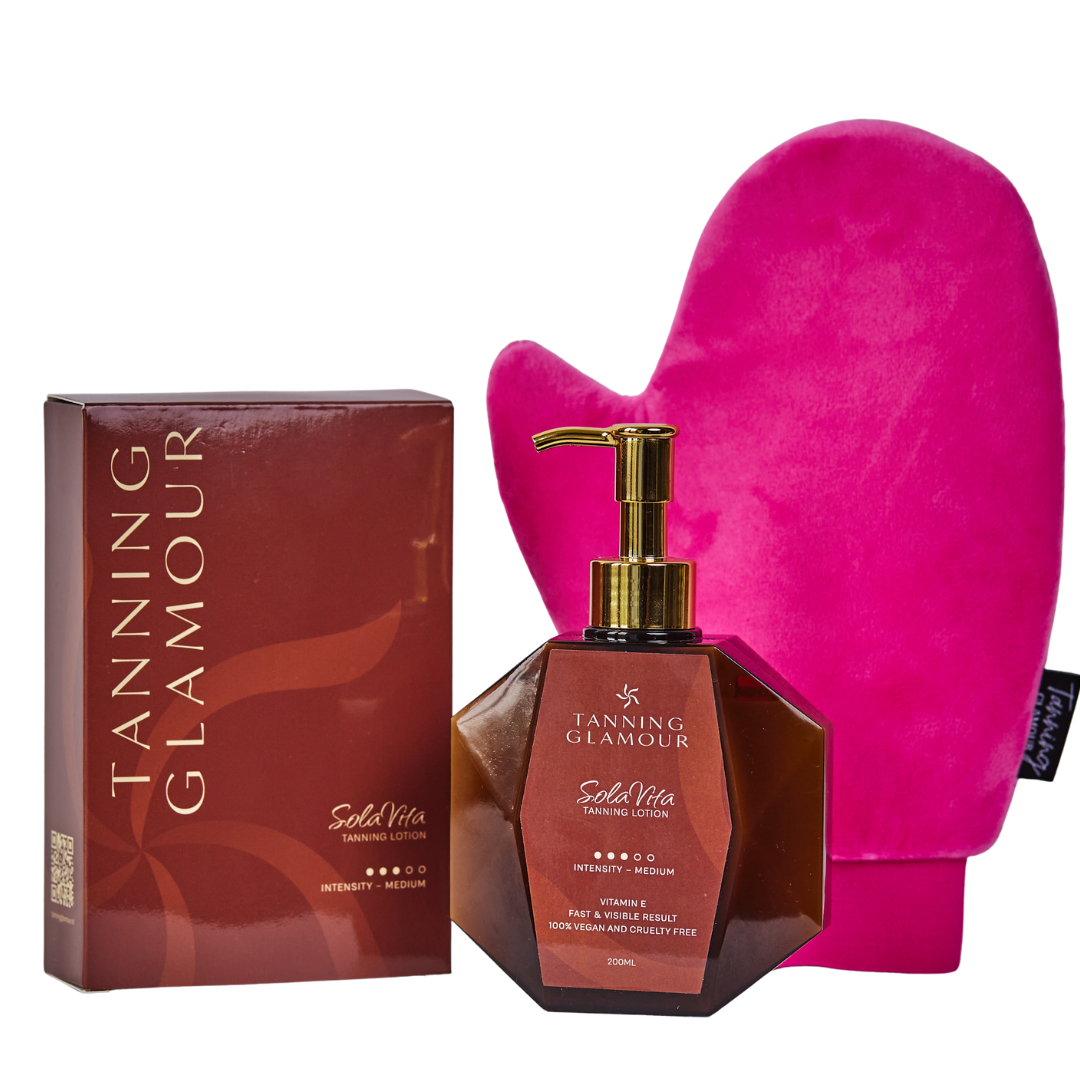
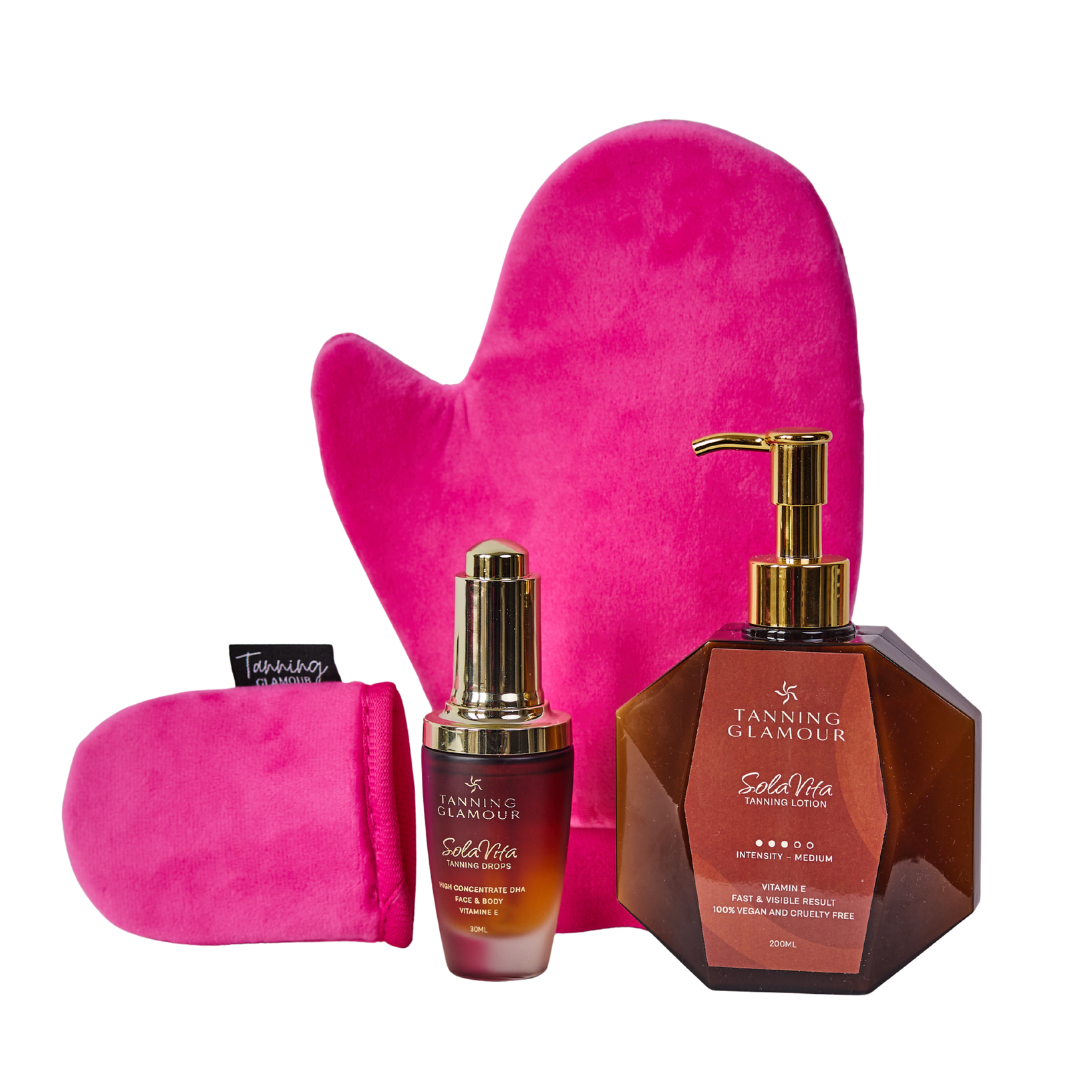
The SolaVita Self-Tanner Lotion offers exactly this advantage: a safe, controllable application without mists or spray, with which you get a beautiful, natural glow within a few hours that stays beautiful for up to 5-7 days.
Benefits for your skin compared to sunbathing
When we ask ourselves how healthy is self-tanner, we must always compare it to the alternatives. Compared to tanning beds or intensive sun exposure, self-tanner offers significant health benefits.
Health risks of UV radiation
- Skin aging: UV radiation breaks down collagen and elastin
- Pigmentation spots: Long-term exposure causes uneven discoloration
- Skin cancer: Increased risk with frequent tanning bed or sun exposure
- DNA damage: UV radiation damages skin cells at the cellular level
The Cancer Council confirms that self-tanners are a safe alternative to UV-based tanning methods, although they offer no protection against sunburn.
How self-tanner protects your skin
Self-tanner does not damage your skin like UV radiation. The tanning process only takes place in the already dead skin cells of your epidermis. These cells naturally shed, causing the tan to fade after about a week.
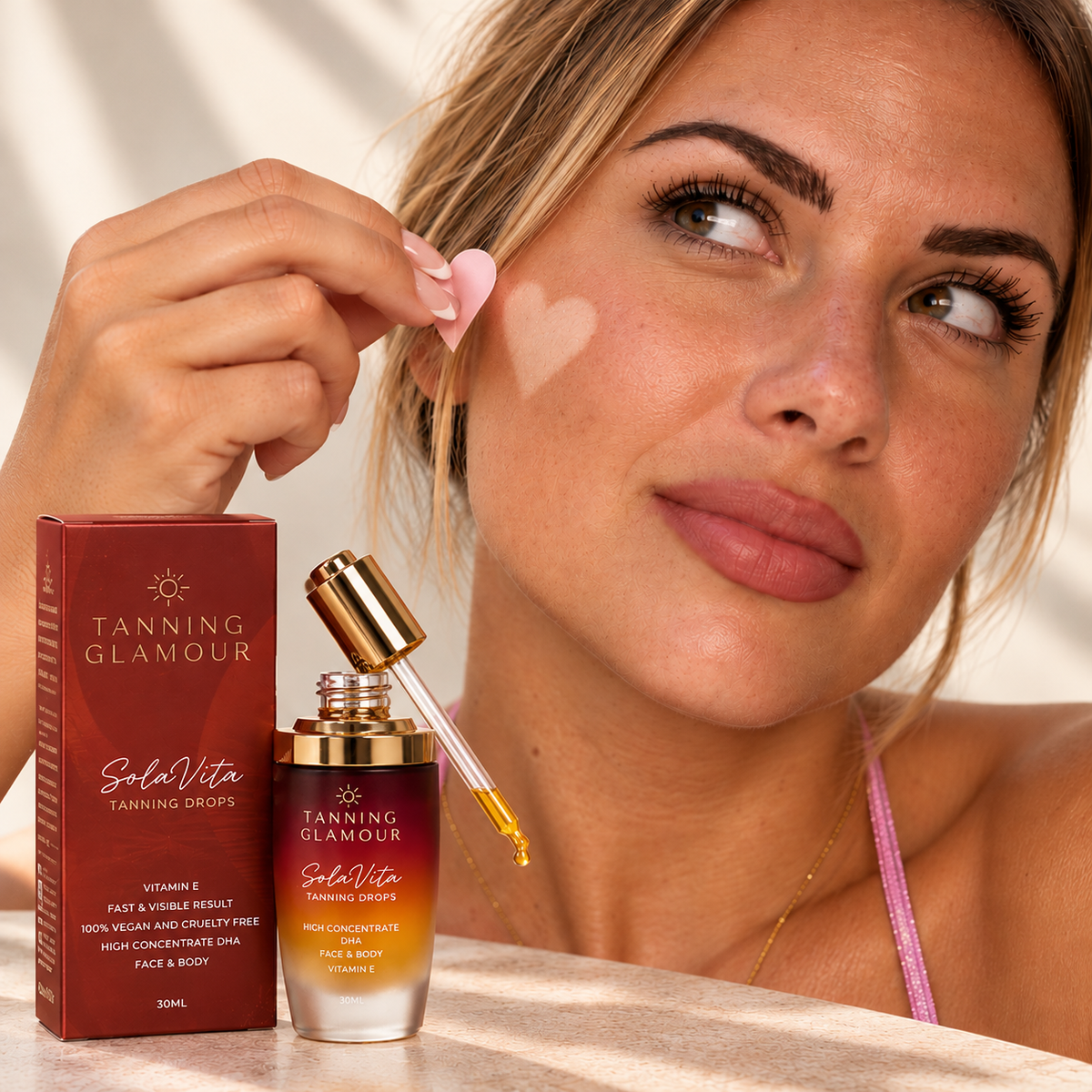
Modern self-tanners also often contain ingredients that actively care for your skin. On this page about tanning drops, you can read how you can determine the intensity of your tan yourself and at the same time care for your skin.
Tips for safe and healthy use
To optimally benefit from the advantages of self-tanner and answer the question "how healthy is self-tanner" with a positive answer, correct use is essential.
Before applying:
- Exfoliate your skin thoroughly to get an even result
- Moisturize dry areas such as elbows, knees, and ankles extra
- Make sure your skin is completely clean and dry
- Test the product on a small piece of skin first if in doubt about allergies
During application:
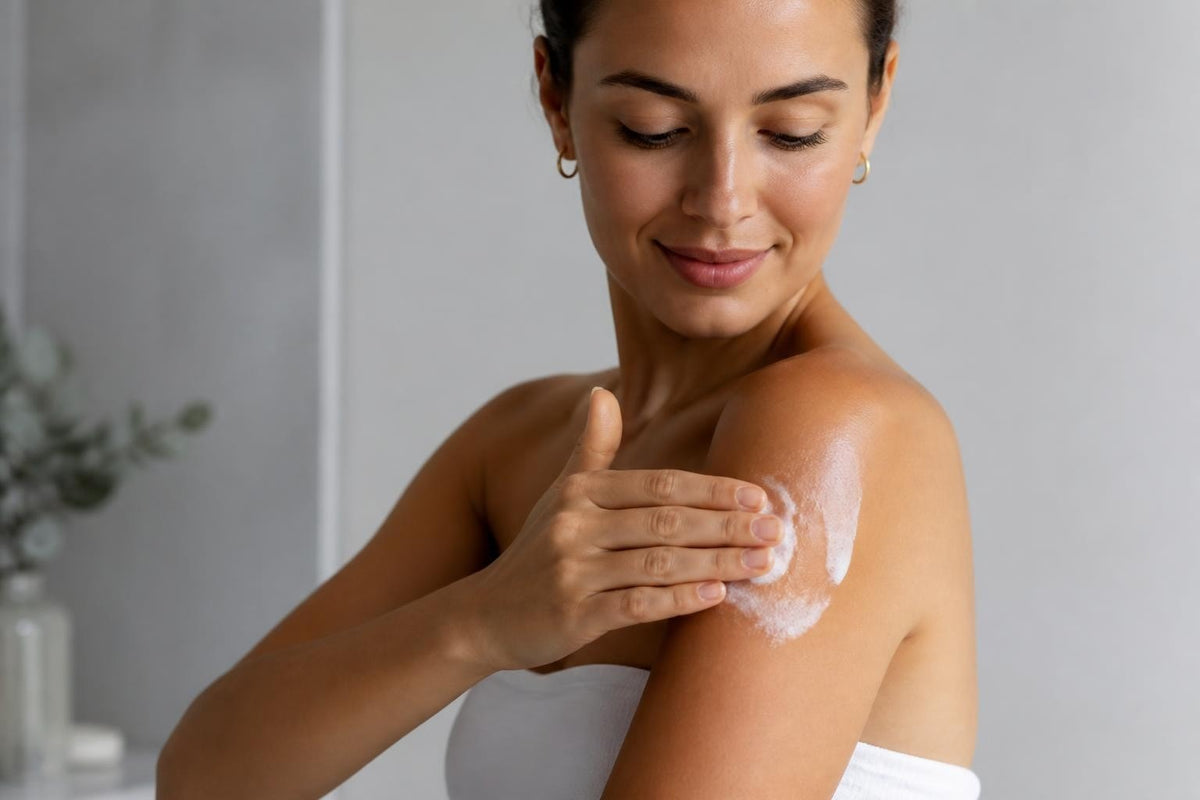
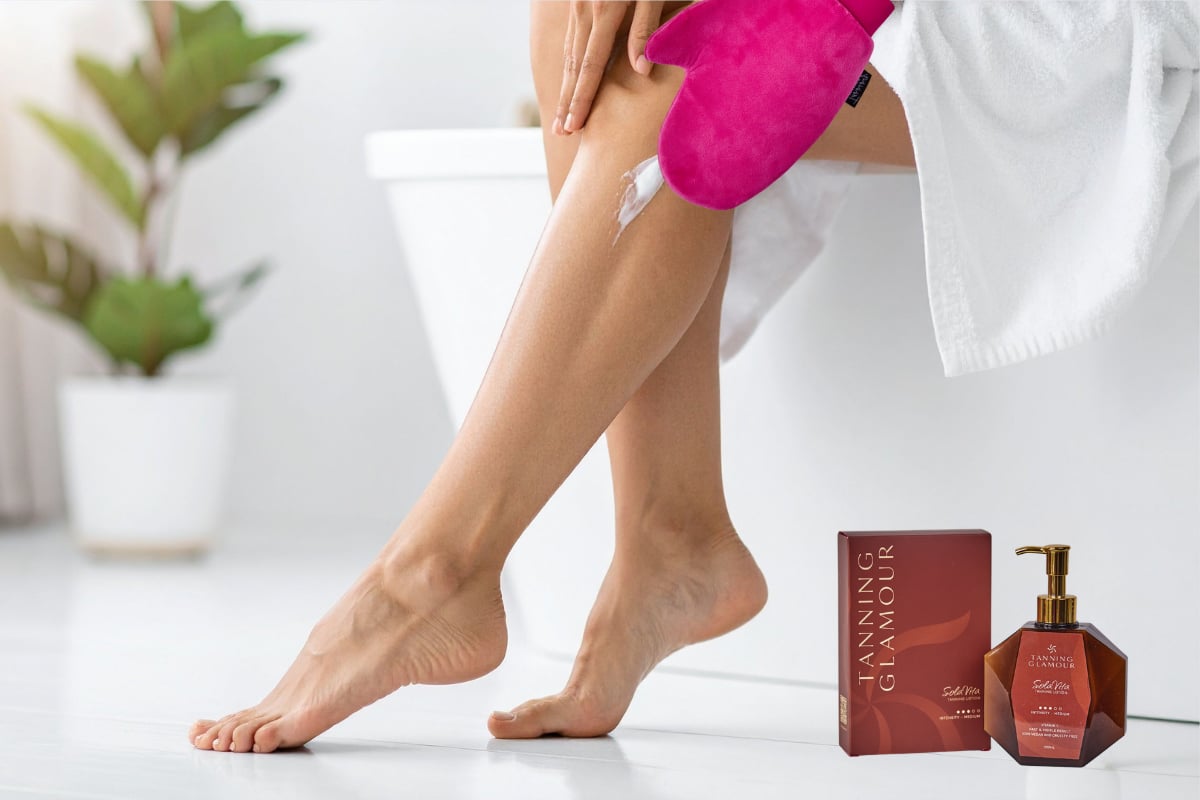
- Use an application glove for a streak-free result
- Apply the self-tanner in circular motions
- Work systematically from top to bottom
- Pay extra attention to harder-to-reach areas
After applying:
- Wait at least 4-6 hours before first contact with water
- Moisturize your skin daily to extend the result
- Use sun protection, because self-tanner does not protect against UV
On the contact page of Tanning Glamour you can reach out with all your questions about safe use and product choice.
Points of attention and special situations
Although self-tanner is generally safe, there are some situations where extra caution is advised.
Pregnancy and breastfeeding
Limited research has been conducted on the use of self-tanner during pregnancy. Although DHA is not absorbed into the bloodstream with topical application, most dermatologists advise caution. Scientific research indicates that the substance remains local, but always consult your doctor if in doubt.
Sensitive skin and conditions
- Eczema or psoriasis: Self-tanner can worsen dryness on already irritated areas
- Acne-prone skin: Choose a non-comedogenic formula
- Allergies: Carefully check the ingredient list
| Skin type | Recommendation | Precaution |
|---|---|---|
| Normal skin | All formulas suitable | Standard preparation |
| Dry skin | Preference for moisturizing lotion | Extra moisturizer before and after |
| Sensitive skin | Hypoallergenic formulas | Patch test 24 hours beforehand |
| Acne-prone | Light, non-comedogenic drops | Avoid application on active pimples |
Quality makes the difference
The question how healthy is self-tanner depends heavily on product quality. Cheap products may contain synthetic fragrances, parabens, or aggressive preservatives that can cause skin irritation.
What to look for in quality:
- Natural ingredients and transparent formulation
- Dermatologically tested
- Free from unnecessary additives
- Clear directions for use and ingredient list
More information about the difference between lotions and drops can be found in our extensive guide, in which we discuss the pros and cons of different formulas.
Choosing high-quality products with natural ingredients not only ensures a more beautiful result, but also a healthier experience. Your skin deserves care that works, without compromising on safety or quality.
Self-tanner is a safe and effective alternative to sunbathing, provided you choose quality products and the right application method. Tanning Glamour offers natural self-tanners that give a radiant, even complexion within 2-3 hours without streaks or orange undertones. Discover how you can enjoy a sunny glow all year round, without worries about your health, with the right care and products.
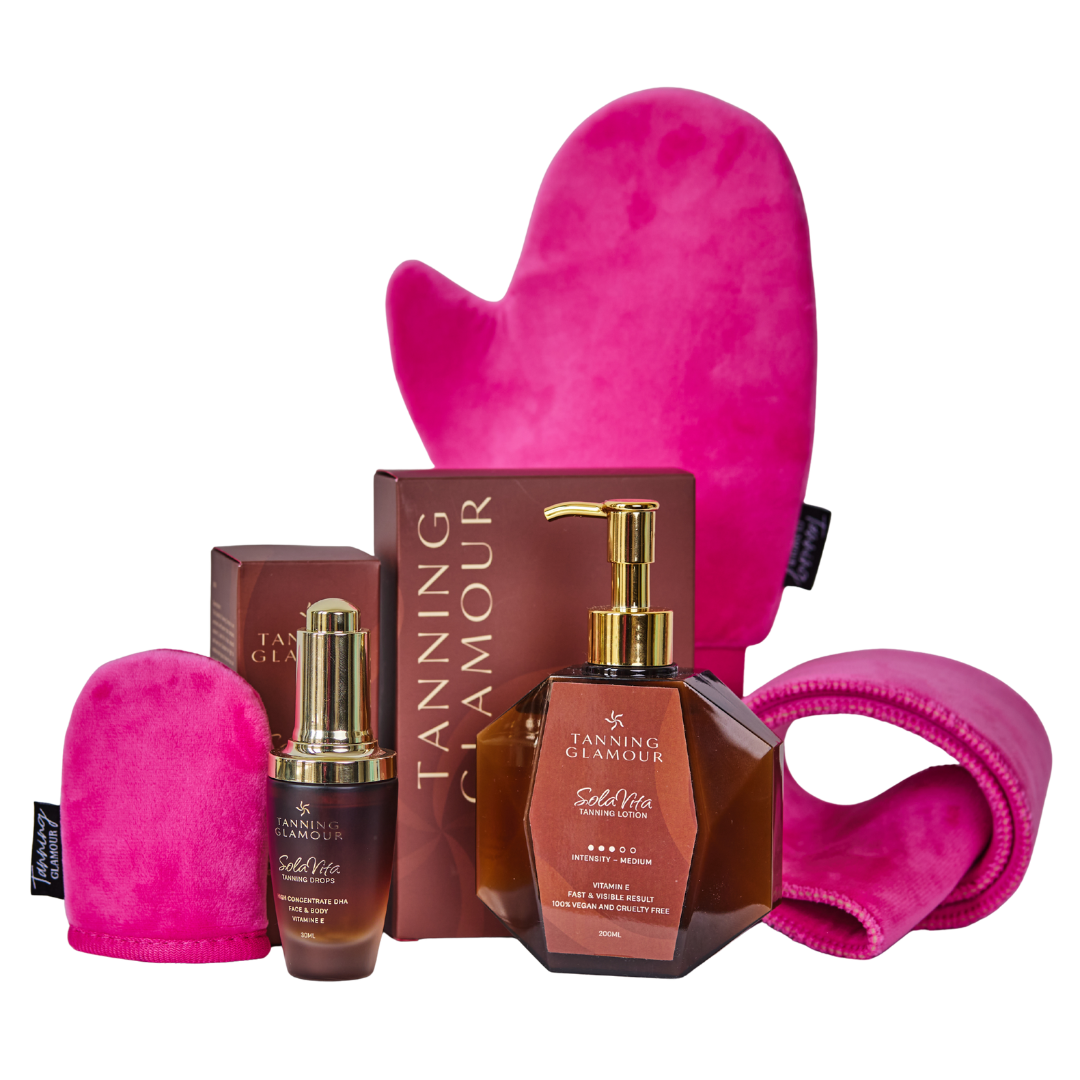
Discover the complete Tanning Glamour collection! ☀️ From our SolaVita Tanning Lotion and Drops to handy accessories and affordable self-tan sets. Everything you need for a beautiful, natural holiday tan without orange tones or streaks. Enjoy a radiant summer glow all year round! ✨