Does self-tanner stain clothes? Tips to prevent stains
A beautiful, golden complexion without the sun is wonderful, but does self-tanner transfer onto clothing? This is a question many people ask themselves, especially when they see their favorite shirt or sheets discolor. The good news: with the right approach and some preventive measures, you can easily avoid these stains. In this article, you will discover why self-tanner sometimes transfers onto fabric and get practical tips to keep your clothes stain-free while enjoying a radiant glow.
Why does self-tanner transfer onto clothing?
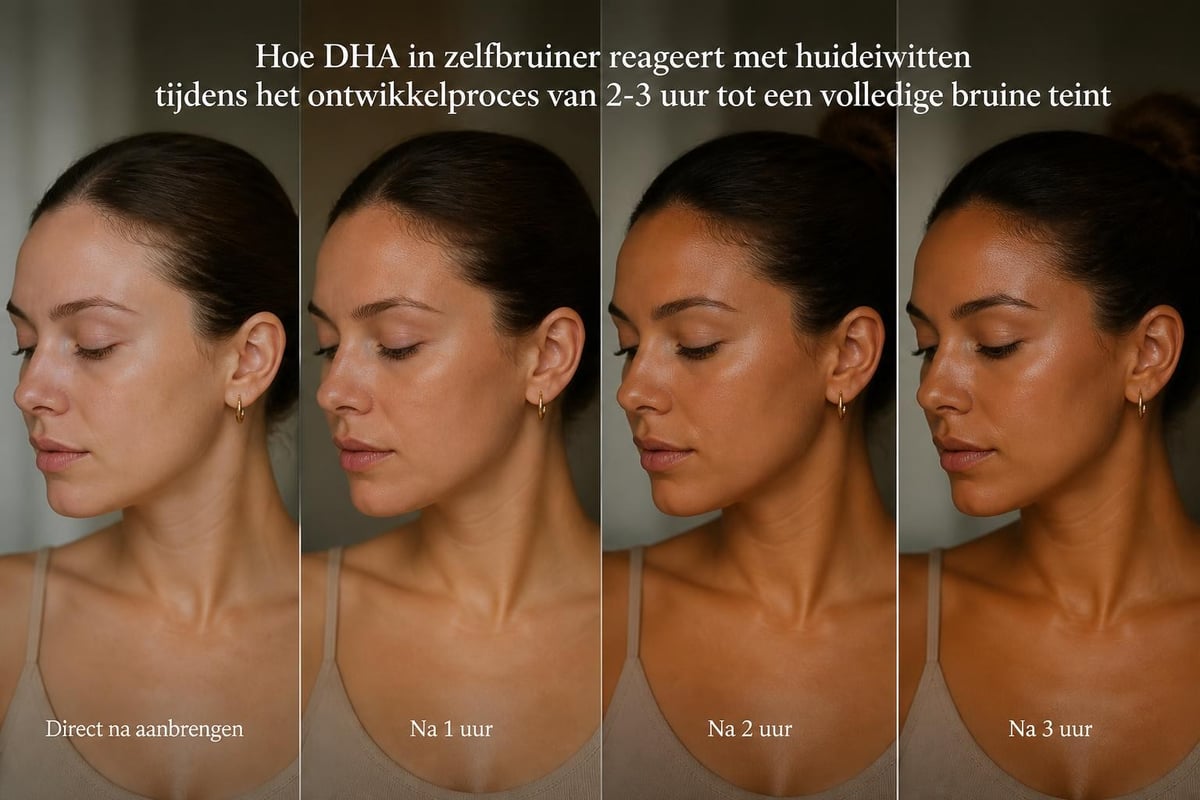
Self-tanner contains dihydroxyacetone (DHA), a dye that reacts with the proteins in your upper skin layer to create a brown tint. This process takes several hours, and during this development time, the product can still transfer. When the self-tanner has not completely dried or been absorbed, the DHA can transfer to fabric, resulting in brown-orange stains.
Several factors influence whether self-tanner transfers onto clothing:
- Drying time: The faster the product absorbs, the lower the chance of transfer
- Amount of product: Too much self-tanner increases the risk of stains
- Sweat and moisture: Perspiration can make the product reactive, even after drying
- Product formula: Some self-tanners contain extra moisturizing ingredients that remain damp for longer
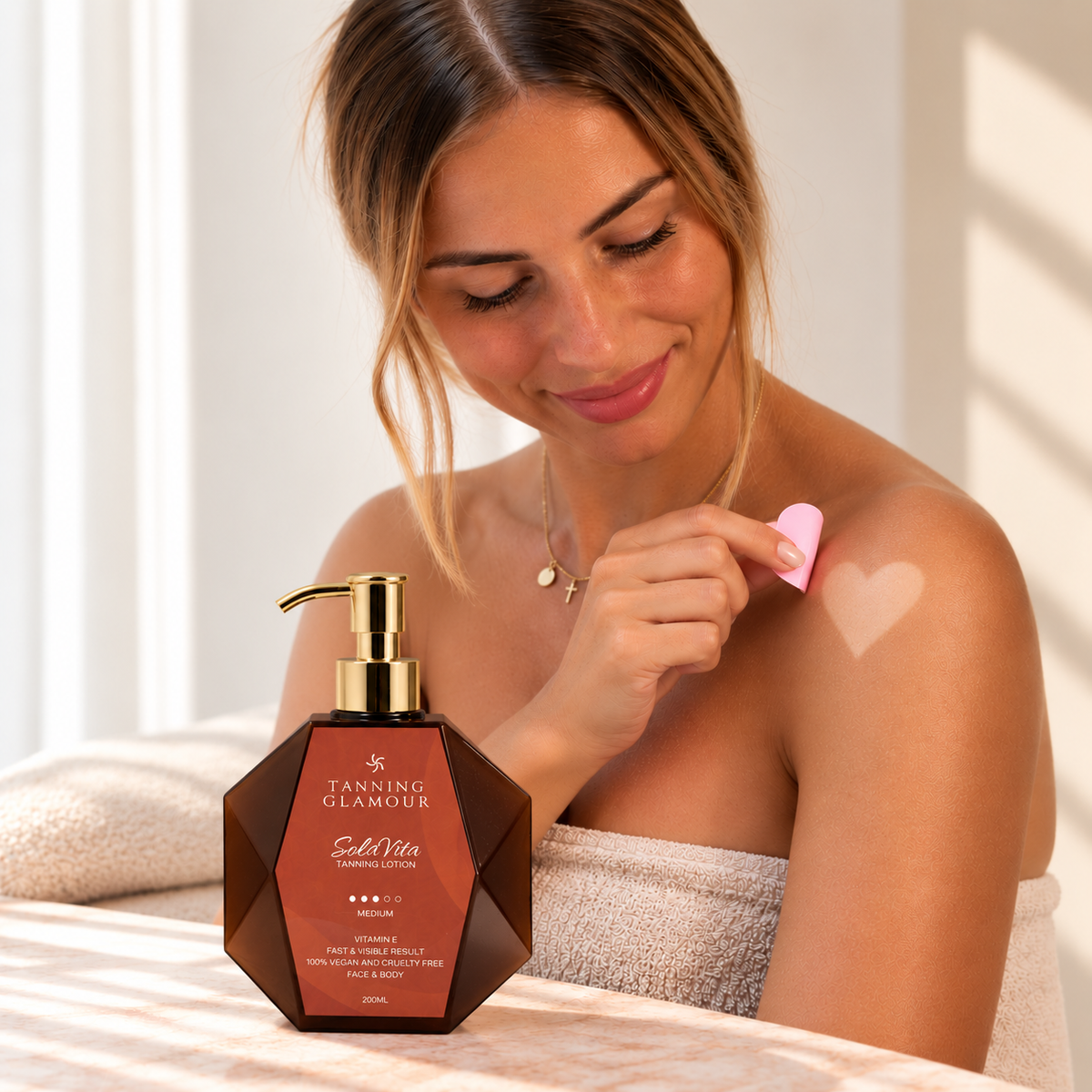
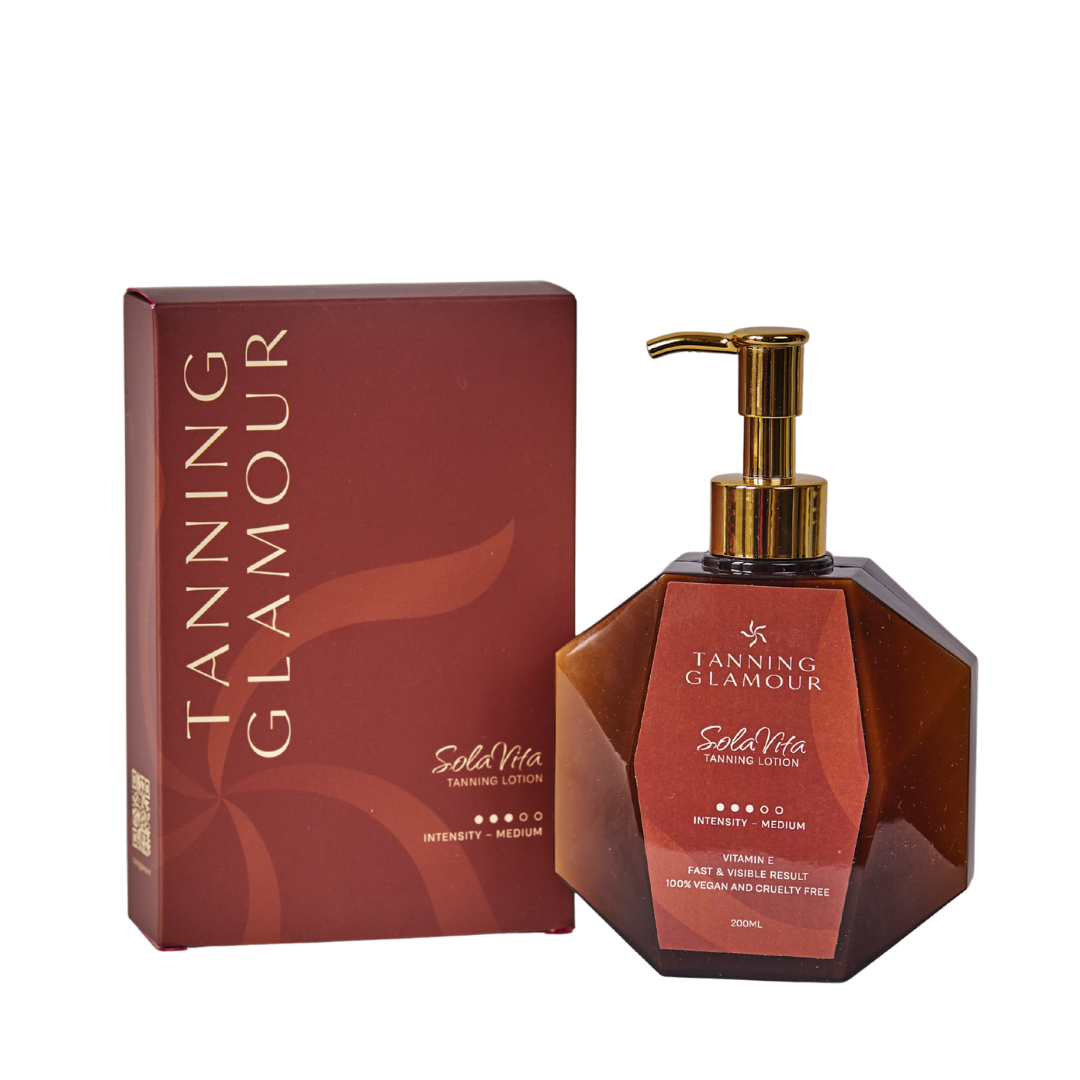
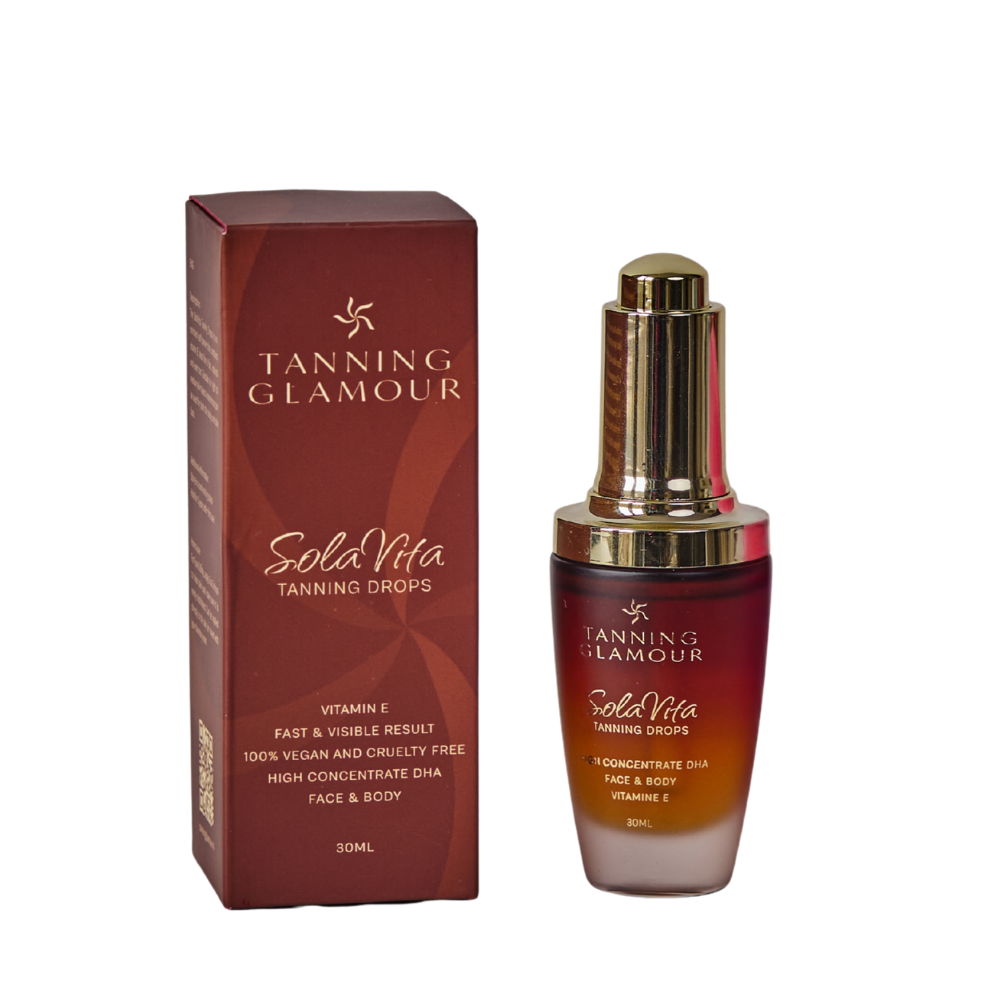
Most modern self-tanners, such as the natural formulas from Tanning Glamour, are designed to absorb quickly and cause less transfer. However, caution is advised during the first few hours after application.
Prevention: how to prevent self-tanner from transferring
The right application method
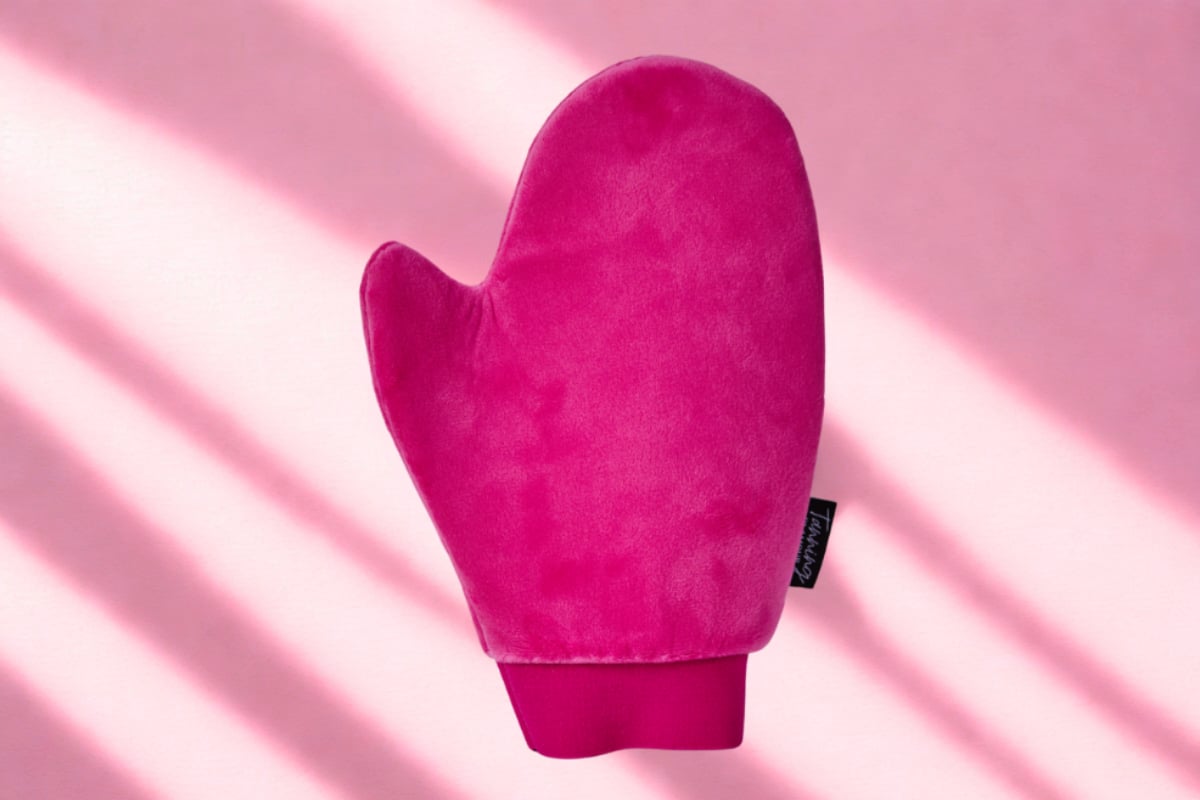
An even, thin layer is the key to preventing stains. Too much product in one place leads not only to streaks but also to a longer drying time. Always use an application mitt to distribute the product evenly and protect your hands from discoloration.
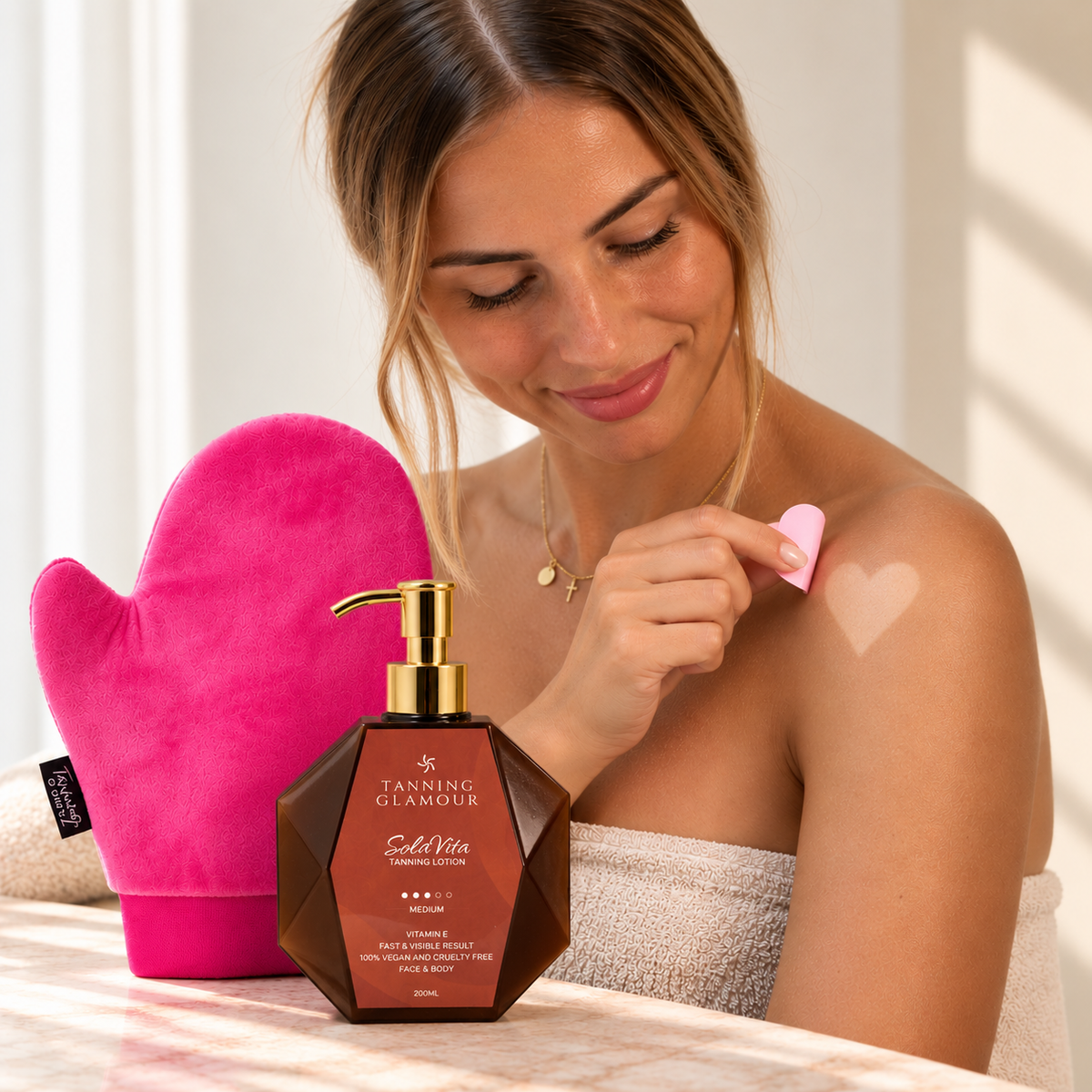
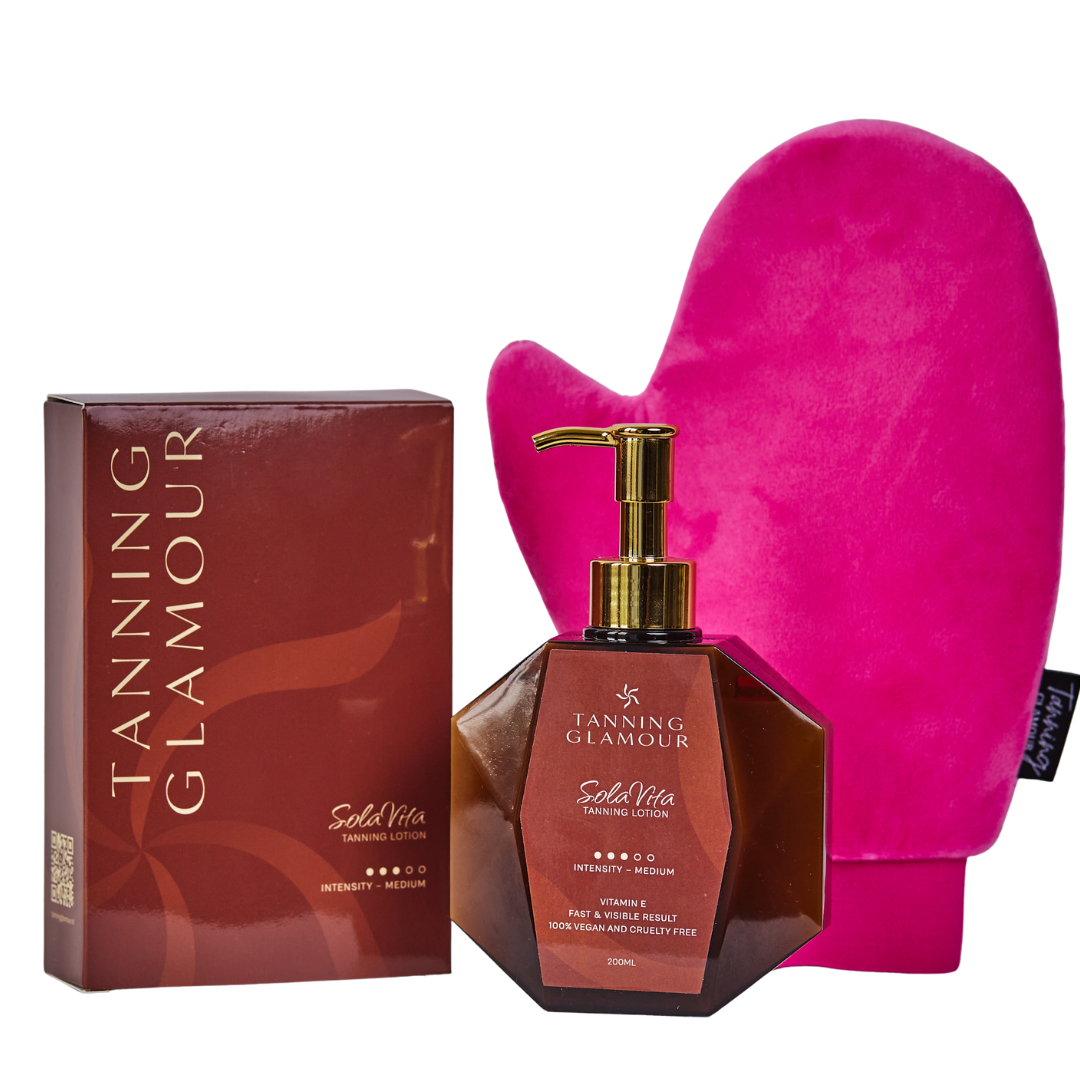
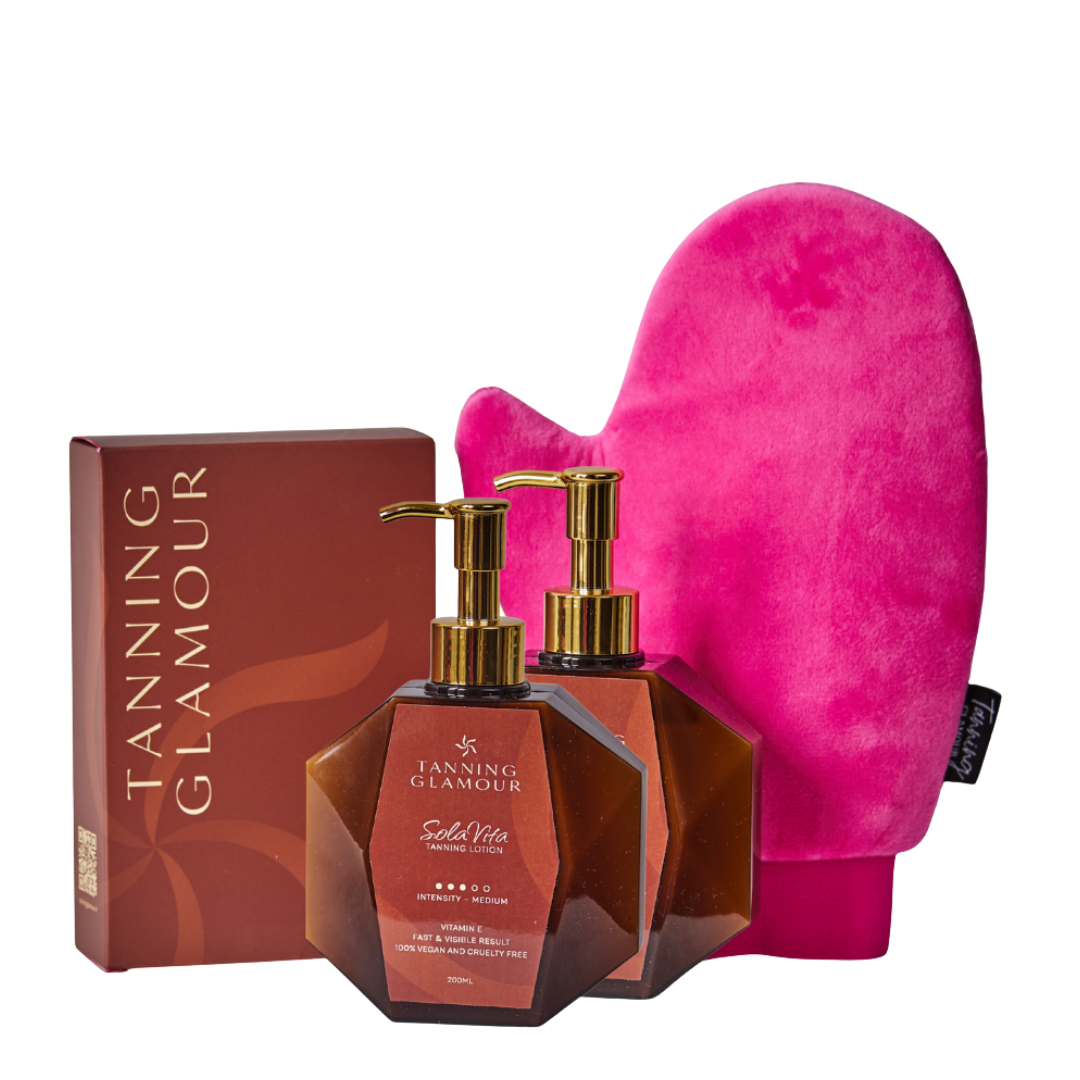
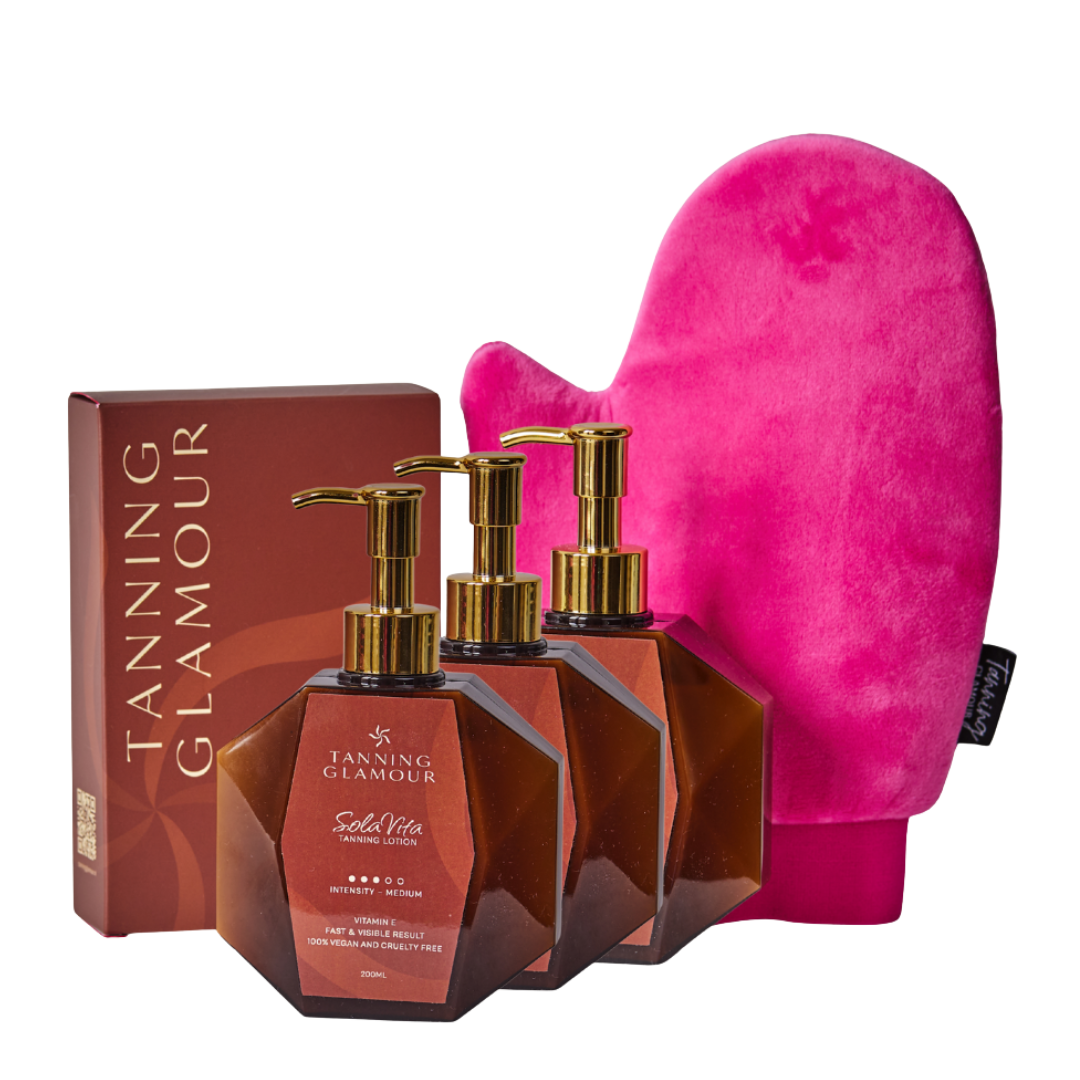
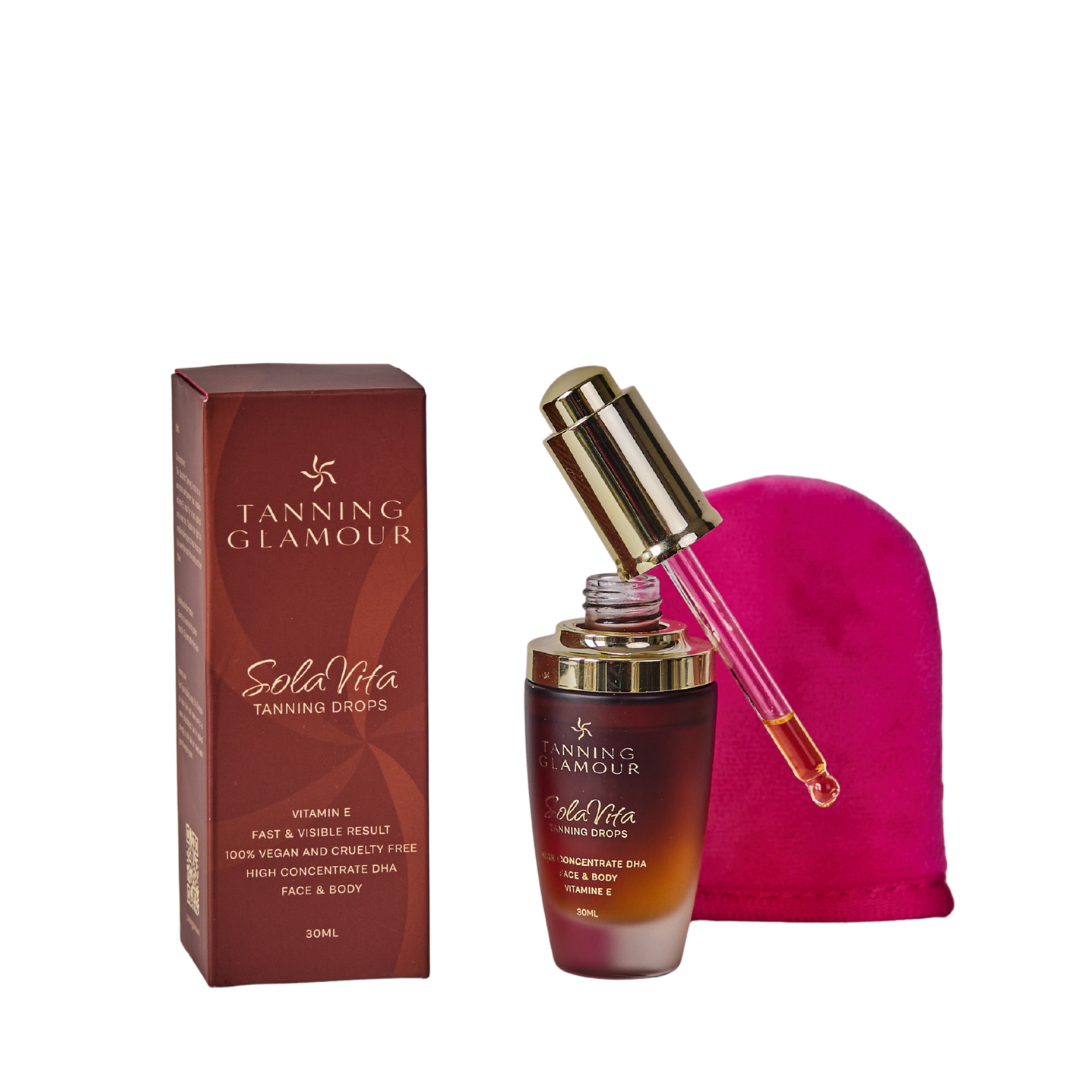
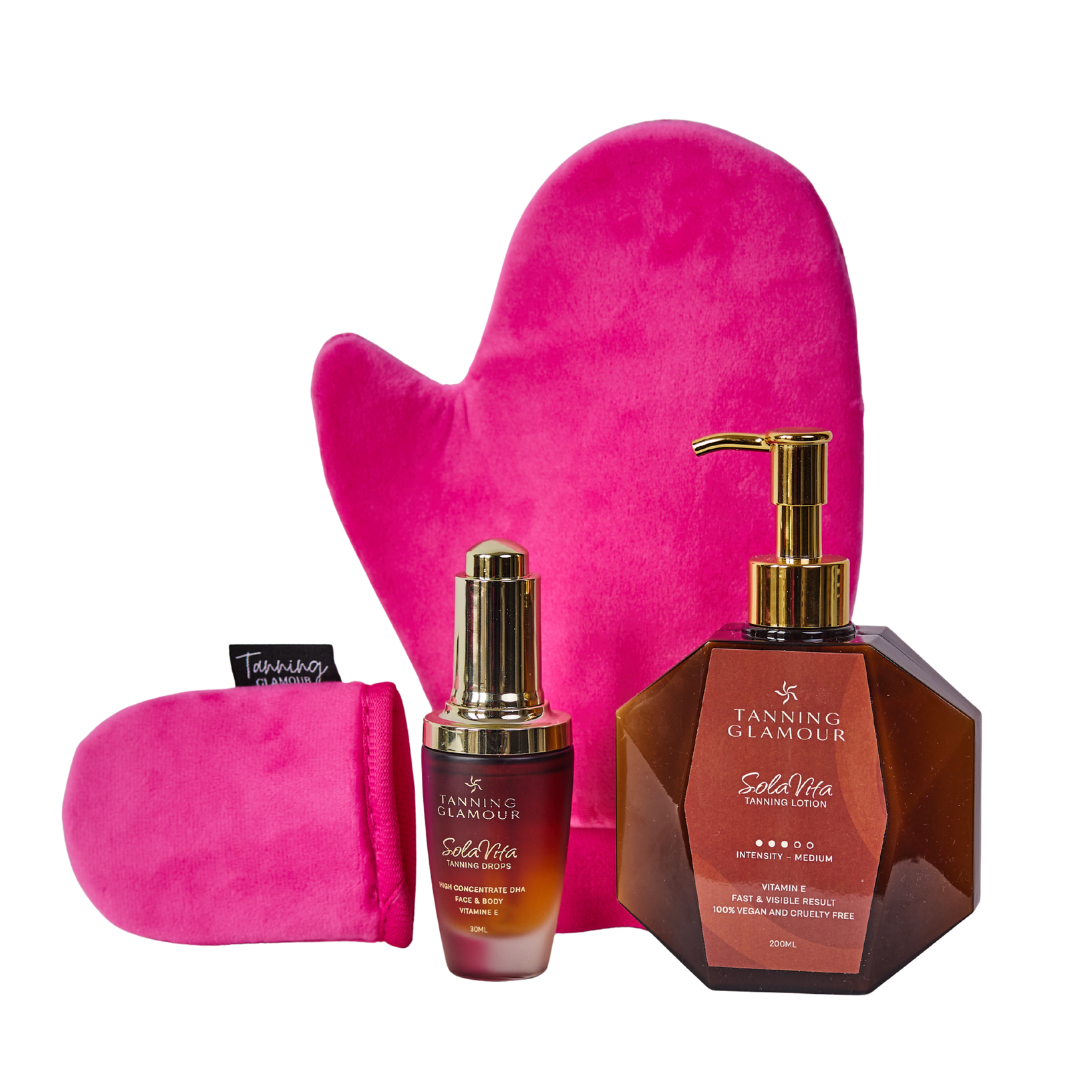
For a professional result without transfer, a special application mitt works best. The Luxury Velvet Tanning Mitt ensures that you can apply your self-tanner effortlessly and in a thin layer, which significantly reduces the chance of stains.
Allow sufficient drying time
Wait at least 10-15 minutes before getting dressed. This may seem short, but many modern self-tanners dry quickly. For an extra-sure approach, you can choose:
- Early morning application: Apply the self-tanner before going to bed
- Loose, dark clothing: Wear old, dark items during the drying period
- Fan or ventilator: Speed up the drying process with airflow
- Powder technique: Apply a thin layer of transparent powder to dry skin
The SolaVita Self-Tanner Lotion was developed to fully develop within 2-3 hours and absorb quickly, which minimizes the risk of transfer.
Protective measures for your wardrobe
| Measure | Benefit | Timing |
|---|---|---|
| Dark towel on bed | Protects sheets during sleep | First night after application |
| Wear old pajamas | Prevents damage to favorite clothes | 6-8 hours after application |
| Loose clothing | Minimizes friction and transfer | First day |
Removing stains: what really works?
Despite all precautions, it can still happen that self-tanner transfers onto clothing. Don't panic, because most stains can be removed. The key lies in acting quickly and using the right treatment method.
Treating fresh stains
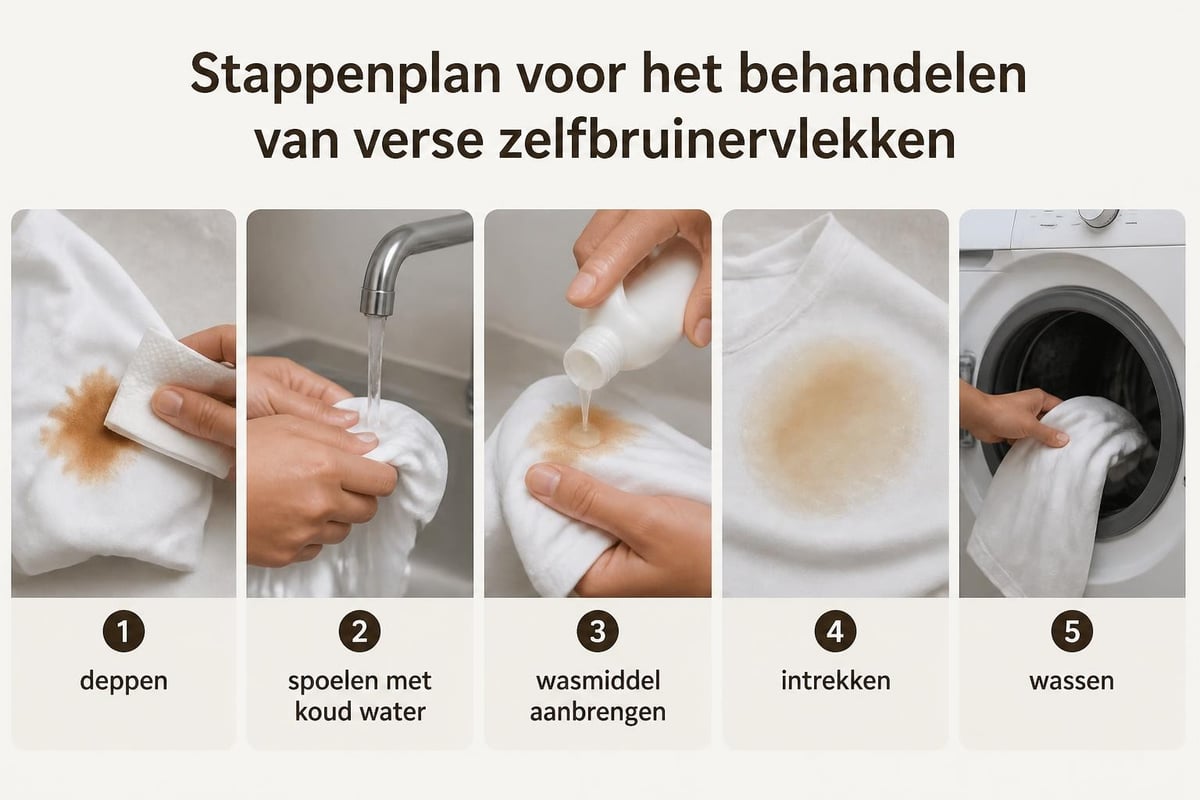
Treat the stain as quickly as possible. The longer DHA remains in fabric, the deeper it penetrates. For fresh stains, this approach works:
- Blot the stain with kitchen paper (do not rub!)
- Rinse with cold water from the back of the fabric
- Apply liquid detergent directly to the stain
- Let it soak for 5-10 minutes before washing
White vinegar can also be effective. Mix equal parts vinegar and water, blot on the stain, and rinse after 15 minutes. Experts from Test Aankoop confirm that this method works for similar skin product stains.
Removing stubborn stains
Older stains require a more intensive approach. Several methods have proven effective:
Lemon and salt: Sprinkle salt on the stain, drop lemon juice on it, and let it work for one hour. This natural method works because citric acid breaks down the DHA bond. Aldi recommends this as an effective household remedy.
Baking powder paste: Mix baking powder with water into a thick paste, apply to the stain, and leave for 30 minutes before washing the fabric. This method works especially well on white fabrics.
Gall soap: A classic solution that works effectively against organic stains. Rub the soap into the stain, let it soak for a while, and wash normally.
| Stain type | Best treatment | Effectiveness |
|---|---|---|
| Fresh (< 2 hours) | Cold water + detergent | Very high |
| Recent (2-24 hours) | Vinegar solution | High |
| Old (> 24 hours) | Lemon + salt or baking powder | Moderate to high |
Different fabrics, different approaches
Not all textiles react the same to self-tanner. The type of fabric often determines whether self-tanner transfers onto clothing and how easily stains can be removed.
Cotton and linen blends
These natural fabrics easily absorb moisture, including self-tanner. The advantage: they are durable enough for intensive stain treatment. The disadvantage: they absorb stains quickly. For white cotton, you can use oxygen bleach, but test on an invisible spot first.
Synthetic materials
Polyester and nylon are less absorbent, which means that stains often remain on the surface. This makes them paradoxically both easier to treat (the stain penetrates less deeply) and more difficult (the DHA can attach to the fibers). Cleanipedia demonstrates effective removal methods for synthetic fabrics.
Delicate fabrics
Silk, wool, and other delicate materials require extra care. Avoid harsh products and choose:
- Lukewarm water (never hot)
- Mild detergent specially for delicate laundry
- Hand washing instead of machine washing
- Professional cleaning for stubborn stains
Extra tips for a stain-free experience
Timing is everything
Plan your self-tanner routine strategically. Apply it in the evening so that the product can fully develop during your sleep. Wear old pajamas and place a dark towel on your pillow. The next morning, you can shower normally and get dressed in your regular clothes without risk.
Body care after application
Do not exfoliate too much in the days after application. Although this can remove the self-tanner from your skin, it can also release residues that can transfer onto clothing. A light, moisturizing routine is ideal to maintain your complexion without extra transfer.
Many people also wonder: what are the best methods to prevent stains? The answer lies in a combination of quality products and careful application.
Product formula makes a difference
Modern self-tanners have been specially developed with quick-drying formulas. The self-tanner collection from Tanning Glamour, for example, contains ingredients that absorb quickly and leave less residue. This significantly reduces the risk that self-tanner transfers onto clothing.
Washing machine maintenance
Sometimes DHA residue remains in your washing machine, which can discolor new clothes. Run an empty wash cycle at a high temperature with a cup of vinegar regularly to clean the drum. This prevents unexpected discoloration of clean laundry.
Preventing and removing self-tanner stains is easier than you think with the right knowledge and approach. By paying attention to drying time, application method, and preventive measures, you can enjoy a beautiful, sunkissed glow without worrying about your wardrobe. Tanning Glamour offers natural self-tanners that absorb quickly and give an even, long-lasting complexion without streaks or orange undertones. Discover our collection and experience the difference of a quality product that was specially developed for a carefree, radiant look.
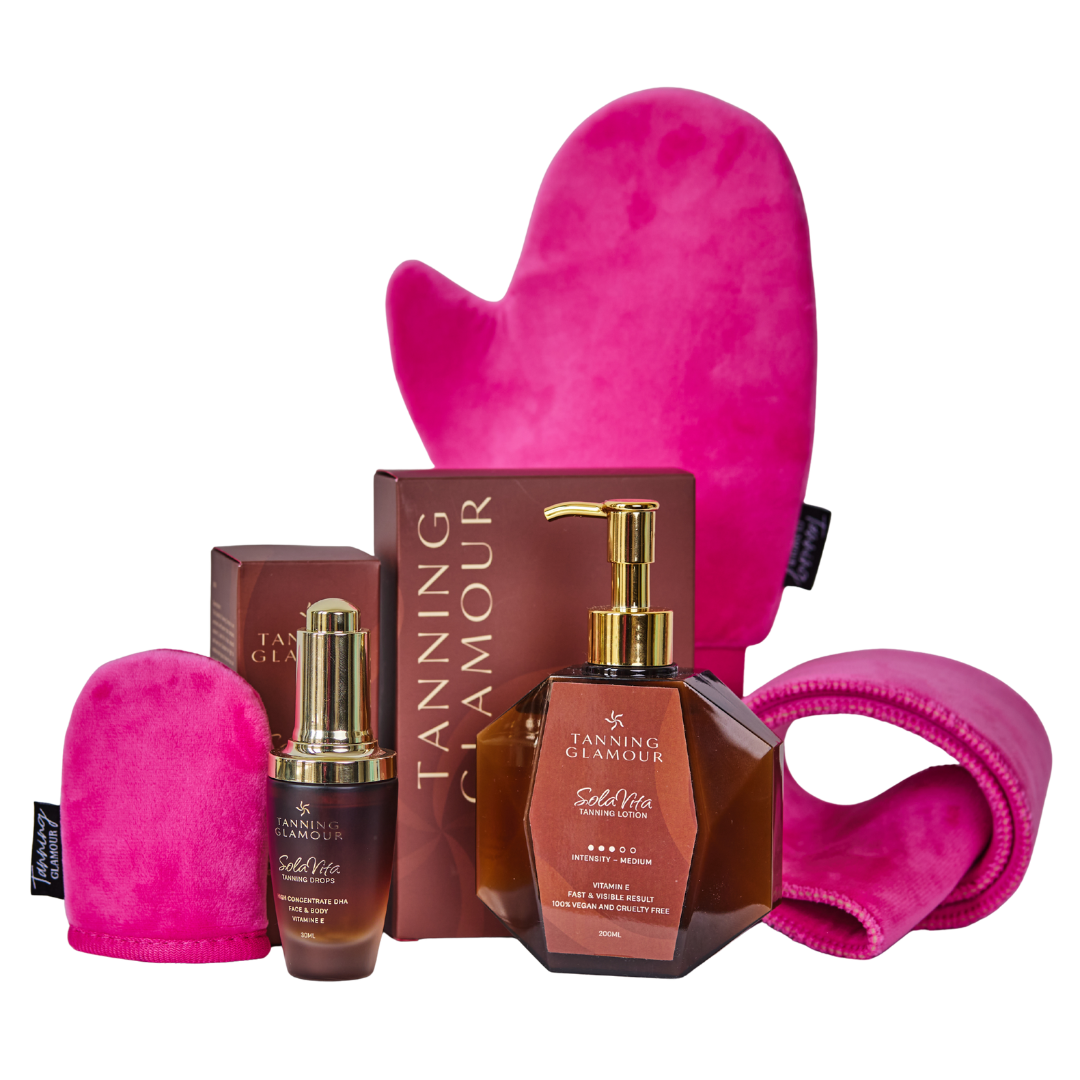
Discover the complete Tanning Glamour collection! ☀️ From our SolaVita Tanning Lotion and Drops to handy accessories and affordable self-tan sets. Everything you need for a beautiful, natural holiday tan without orange tones or streaks. Enjoy a radiant summer glow all year round! ✨